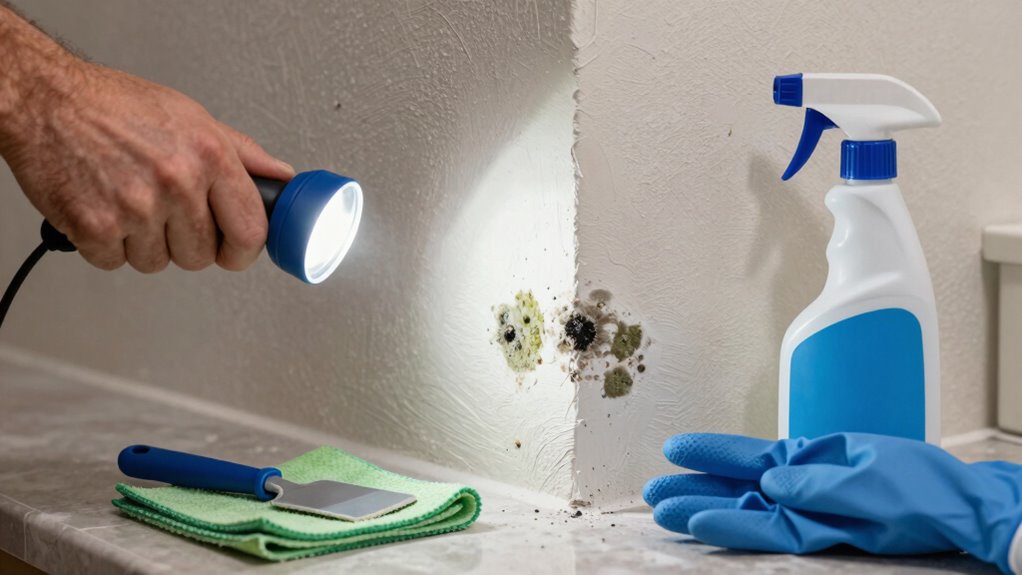
For small mold spots less than 10 square feet, you can often clean them yourself using detergent or commercial mold removers with proper protective gear like gloves, goggles, and masks. If the mold is caused by water leaks, hidden in walls, or covers more than 10 square feet, it’s best to call professionals. Proper boundaries help prevent recurrence and health risks—if you want to learn more about when to tackle it yourself or bring in experts, keep going.

Turn your quiet moments into listening time
- Thousands of audiobooks, podcasts and originals
- Listen on your phone, tablet or Echo — also offline
- Cancel anytime
Key Takeaways
- DIY is suitable if mold is under 10 sq. ft., easily accessible, and can be safely cleaned with basic protective gear.
- Contact a professional if mold exceeds 10 sq. ft., is hidden, or results from water damage or leaks.
- Proper containment and removal are critical; if uncertain, professional assessment ensures thorough cleanup.
- DIY efforts may suffice for small, surface mold, but larger or hidden infestations require expert intervention.
- When health risks or structural concerns are present, calling a mold remediation specialist is the safest choice.
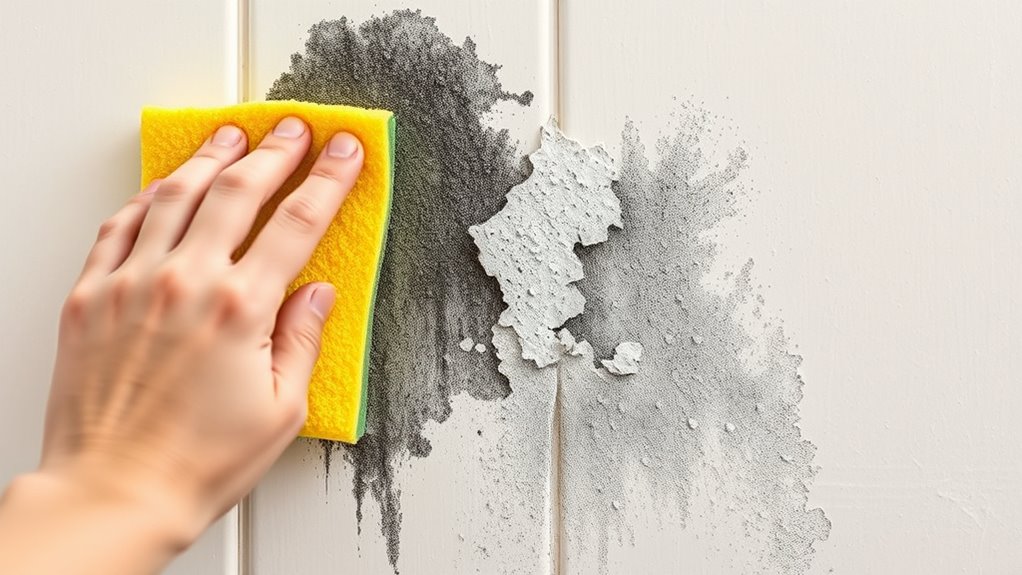
When tackling mold cleanup, setting clear boundaries is vital to guarantee the problem is effectively contained and removed. You might think that a small mold spot is a simple fix, but rushing into DIY removal can carry significant risks. Mold spores are microscopic and easily airborne, meaning that improper cleanup could spread spores throughout your home, worsening the problem. Plus, without proper protective gear and containment measures, you risk exposing yourself and your family to allergens and potential health hazards. These DIY risks aren’t just about health; they can also lead to incomplete removal, allowing mold to return or grow in hidden areas. What seems like a minor spot could be hiding more extensive damage behind walls or under flooring, which DIY efforts might not address adequately. Additionally, understanding mold growth triggers can help prevent future infestations and guide proper remediation steps.
While attempting to handle small mold patches yourself might seem cost-effective initially, it’s important to think about the potential professional costs down the road. If the mold isn’t fully eradicated, you could face recurring issues that eventually demand professional intervention, which tends to be more expensive. Also, improper cleanup might lead to structural damage or health problems that require costly repairs or medical treatment. When you underestimate the severity of a mold problem, you risk spending more in the long run on repairs, mold remediation, or health-related expenses. Thus, setting boundaries on when to DIY and when to call in professionals is vital to avoid escalating costs.
If the affected area is less than 10 square feet and you can safely contain the growth with proper protective gear, a DIY approach might be feasible. In such cases, wearing gloves, goggles, and an N-95 mask is essential, and you should use appropriate cleaning solutions like detergent or commercial mold removers. However, if the mold covers more than that, or if it’s caused by water damage from leaks or flooding, it’s best to call in professionals. They have specialized equipment and training to contain the spread effectively and ensure thorough removal, reducing the risk of future problems. Remember, mold can hide behind drywall, under carpets, or inside HVAC systems—areas that a DIY might not access or treat properly.
In the end, recognizing the boundaries between a manageable DIY job and a professional cleanup is key to safeguarding your health and your home. Setting those boundaries early helps prevent minor issues from becoming major, costly problems. When in doubt, consulting a mold remediation expert saves you time, money, and peace of mind, ensuring the job gets done right the first time.
Frequently Asked Questions
How Can I Prevent Mold Growth in My Home?
To prevent mold growth in your home, you should control humidity levels and use mold-resistant paints in vulnerable areas. Keep indoor humidity below 60%, ideally around 30-50%, with dehumidifiers or vents. Regularly clean and fix leaks promptly. Applying mold-resistant paints on walls and ceilings creates a barrier against mold spores. These steps help maintain a dry, inhospitable environment for mold, safeguarding your health and property.
What Are the Health Risks Associated With Mold Exposure?
Mold health effects can be serious, like a storm brewing inside your home. When you’re exposed to mold, you might notice symptoms like coughing, sneezing, or skin irritation. Mold exposure symptoms vary, especially for sensitive individuals, and prolonged exposure can worsen asthma or cause respiratory issues. Keep an eye out for these signs, and if symptoms persist, it’s best to consult a healthcare professional to protect your health.
How Long Does Professional Mold Remediation Take?
When you hire a professional for mold remediation, the process typically takes 1 to 5 days, depending on the mold’s extent. You’ll start with a mold inspection to assess the damage, then move into the remediation timeline, which involves containment, removal, and cleaning. Factors like size, location, and materials affected influence the duration. Expect thorough work to guarantee all mold is eradicated and your space is safe again.
Are There Eco-Friendly Options for Mold Cleanup?
Yes, you can choose eco-friendly mold cleanup options like biodegradable solutions and natural mold removers. These products are safe for your home and the environment while effectively removing mold. Look for natural ingredients such as tea tree oil, vinegar, or baking soda, which work well without harsh chemicals. Always follow the instructions carefully to guarantee safety and maximum results, especially for small mold spots you prefer to handle yourself.
What Insurance Coverage Is Available for Mold Damage?
Think of insurance coverage for mold damage as a safety net that catches you when things go awry. You may be eligible for insurance claims that cover mold removal costs, but coverage limits vary widely. It’s essential to review your policy carefully, as some plans cover only significant damage, leaving smaller issues to you. Always document mold problems thoroughly and consult your insurer to understand what’s protected under your policy.
Conclusion
Knowing when to tackle mold yourself and when to call a pro can be tricky. If the mold is small, manageable, and you follow safety guidelines, DIY might be enough. But if it’s widespread, persistent, or in tricky spots, don’t hesitate to get professional help. After all, isn’t your health worth more than a quick fix? When in doubt, it’s better to be safe than sorry—so why take unnecessary risks with mold?
Fall Picks
fall essentials
As an affiliate, we earn on qualifying purchases.