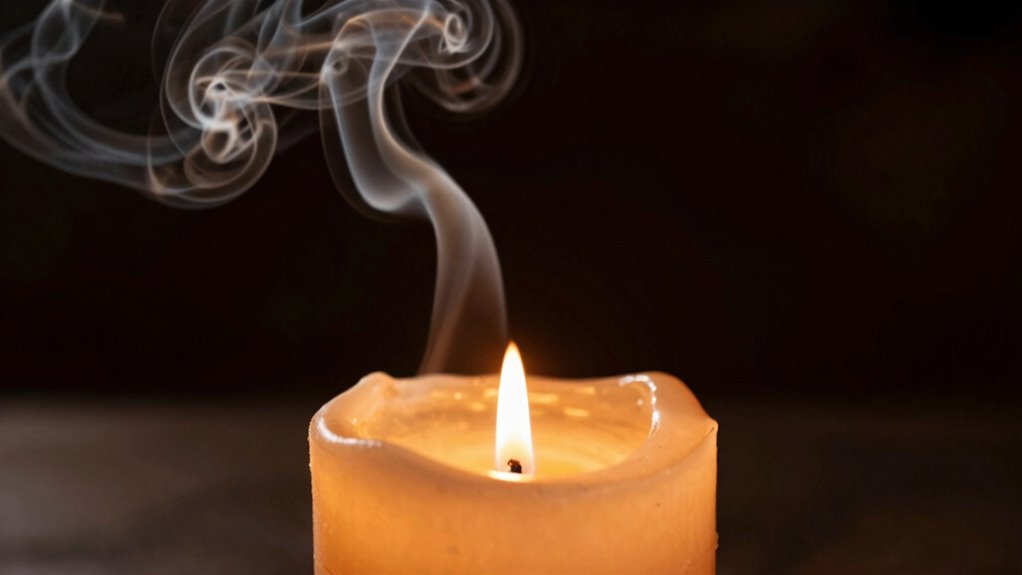

Burning candles and incense can add a cozy ambiance, but they release indoor pollutants like soot, VOCs, and potentially toxic chemicals, which may irritate your respiratory system and worsen allergies or asthma. Long-term exposure to these particles increases your risk of lung and heart issues, especially if your space isn’t well-ventilated. To balance ambiance and health, consider natural options and better airflow—there’s more to know if you keep exploring how to reduce these indoor air quality risks.
Key Takeaways
- Burning candles and incense releases soot, VOCs, and pollutants that can degrade indoor air quality and cause health issues.
- Short-term exposure may cause respiratory irritation, allergies, and asthma symptoms, especially in sensitive individuals.
- Long-term inhalation of fine particles increases risks of lung and cardiovascular diseases over time.
- Using natural, unscented candles and proper ventilation can reduce indoor air pollution from these sources.
- Limiting burning duration and maintaining good airflow helps balance ambiance with indoor air safety.
Have you ever wondered what your candle and incense smoke truly carries into the air? When you light a candle or burn incense, you’re creating more than just a calming atmosphere; you’re releasing particles and chemicals that can affect the air quality in your space. These emissions can contain soot, volatile organic compounds (VOCs), and other pollutants that linger in the air you breathe. While many find these aromas soothing, it’s important to understand how this smoke impacts your health effects and overall air quality. Poor air quality from indoor sources like candles and incense can lead to respiratory irritation, allergies, or even more serious health issues over time. Breathing in these pollutants regularly may exacerbate asthma symptoms or trigger asthma in sensitive individuals. For some, prolonged exposure can increase the risk of respiratory infections, worsen existing lung conditions, or contribute to cardiovascular problems. The health effects linked to candle and incense smoke aren’t limited to immediate respiratory discomfort; they can also have long-term consequences. Fine particles from soot and VOCs can penetrate deep into your lungs and even enter your bloodstream. Over time, this exposure can lead to inflammation, oxidative stress, and changes in lung function. People with pre-existing health conditions, the elderly, and children are especially vulnerable to these effects. It’s also worth noting that some candles contain synthetic fragrances or paraffin wax, which, when burned, release additional toxins such as benzene and formaldehyde—chemicals associated with increased cancer risk. Incense, often made from aromatic woods, resins, or herbs, can produce similar harmful compounds when burned, adding to indoor air pollution levels. Additionally, using air purifiers can help reduce some of these pollutants, but they cannot entirely eliminate the risks. While burning candles and incense might seem harmless or even beneficial for creating ambiance, it’s essential to be mindful of how these practices influence your indoor environment. Good ventilation can help reduce the concentration of pollutants, but it doesn’t eliminate all risks. Choosing natural, unscented candles or incense made from pure ingredients can lower health effects, yet some emissions are unavoidable. Regularly cleaning your space, using air purifiers, and limiting the duration and frequency of burning can also help minimize the impact on your air quality. Ultimately, understanding the tradeoff between enjoying these sensory pleasures and maintaining healthy indoor air is key. Being aware of how candle and incense smoke affect your environment allows you to make informed choices that protect your health and improve your overall indoor air quality.
Frequently Asked Questions
Are There Safe Alternatives to Scented Candles and Incense?
Yes, you can opt for safe alternatives like natural alternatives, such as essential oil diffusers, which release pleasant scents without harmful smoke. Aromatherapy options like lavender or eucalyptus provide calming effects without polluting your air. You might also consider using fresh herbs, flowers, or homemade potpourri. These options offer delightful fragrances while maintaining good air quality, helping you enjoy a fragrant environment without the health risks associated with scented candles and incense.
How Often Should I Replace Candle Wicks for Safety?
Did you know that a wick’s condition can influence your candle’s safety? You should replace your candle wick once it’s burnt down to about ¼ inch or if it becomes mushroom-shaped. Regular wick maintenance extends your candle’s lifespan and reduces soot and smoke. Check and trim your wick before each use, and replace the candle if the wick becomes too short or uneven for safe burning.
Do Soy or Beeswax Candles Produce Less Indoor Pollution?
You’ll find that soy and beeswax candles generally produce less indoor air pollution than paraffin candles because their ingredients burn cleaner. Soy and beeswax are natural, with fewer additives or synthetic fragrances that can emit harmful particles. Choosing candles made from these ingredients helps improve indoor air quality, making your space healthier. Always check labels to verify you’re selecting pure, natural candles for the best air quality benefits.
Can Air Purifiers Effectively Reduce Smoke Particles From Candles?
Air purifiers are effective at removing smoke particles, with some models capturing up to 99% of airborne pollutants. If you use candles, an air purifier can substantially improve indoor air quality by targeting smoke particle removal. A recent statistic shows that high-efficiency purifiers can cut indoor particulate levels by nearly half in just 30 minutes. So, yes, an air purifier can help reduce smoke particles from candles, making your space safer.
What Are the Long-Term Health Effects of Regular Incense Burning?
Regular incense burning can pose serious health risks due to chronic exposure to indoor pollutants. You might experience respiratory issues, allergies, or even aggravate asthma over time. Prolonged inhalation of incense smoke can also increase your risk of cardiovascular problems and certain cancers. To protect your health, limit incense use, guarantee good ventilation, and consider air purifiers to reduce the buildup of harmful particles in your home.
Conclusion
While candles and incense can fill your space with warmth and aroma, they’re also like silent artists painting your air with tiny particles. If you want a cozy home without sacrificing air quality, consider ventilating well and choosing natural, less smoky options. Think of it as balancing a delicate dance—enjoy the soothing glow, but keep the air fresh and clear. Your lungs will thank you for keeping the harmony between comfort and health.