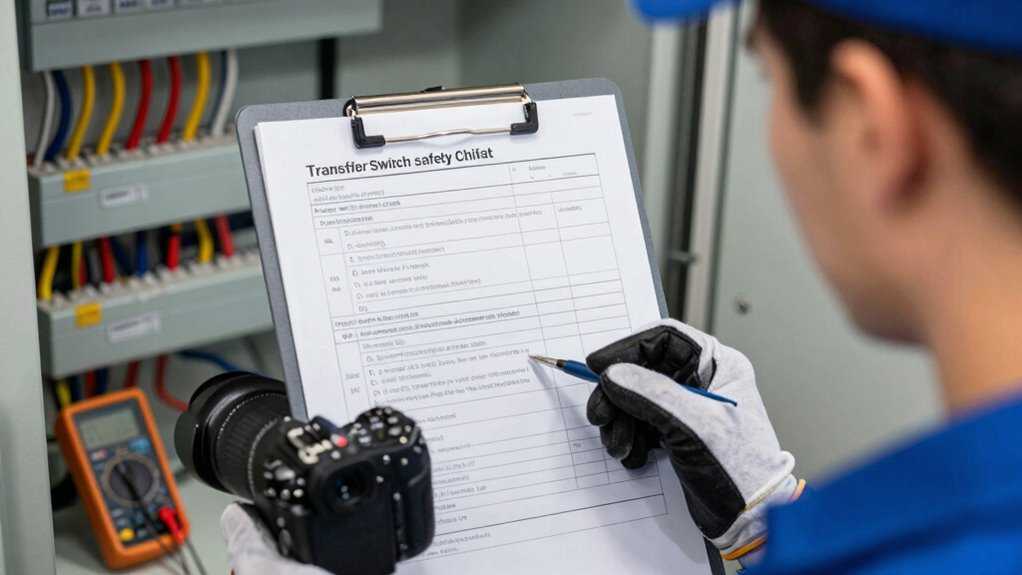

Before installing a transfer switch, ask if it’s compatible with your generator’s wattage and type, and confirm that your electrician holds proper certifications. Clarify whether you need a manual or automatic switch and verify it meets local electrical codes. Discuss safety features, ventilation needs, and maintenance protocols to keep your system reliable. Taking these steps helps prevent electrical hazards and guarantees your home remains safe during outages. Keep exploring for more essential safety questions to think about.
Open a free Amazon Business account
Business pricing, bulk buying and tax-exempt orders.
As an affiliate, we earn on qualifying purchases.
Key Takeaways
- Verify transfer switch compatibility with your generator’s wattage, type, and power output needs.
- Confirm the installer is certified and adheres to local electrical codes and safety standards.
- Understand the differences between manual and automatic switches to select the safest option for your home.
- Ensure proper ventilation and airflow considerations are addressed during installation to prevent overheating.
- Discuss routine maintenance, inspection schedules, and troubleshooting procedures to ensure long-term safety and reliability.
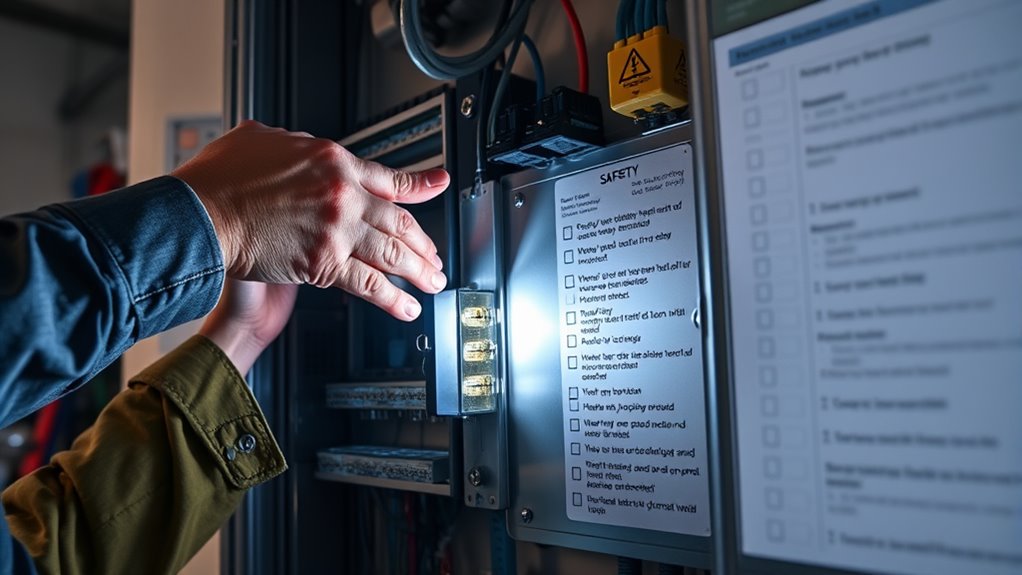
A transfer switch is a essential safety device that guarantees your generator connects properly to your home’s electrical system. Before you proceed with installation, it’s imperative to ask the right questions to make certain the process is safe and compliant with electrical standards. One of the first considerations is understanding your generator safety needs. You need to verify that the transfer switch is compatible with your generator’s wattage and type. An improperly matched switch can cause electrical issues or pose safety hazards. Make sure to review the manufacturer’s specifications and confirm that the transfer switch can handle the power output of your generator, especially if you plan to run high-demand appliances.
Another key aspect is to guarantee that the installation is performed by a professional with proper credentials. Always ask whether the electrician you hire holds valid certification, ideally one with electrician certification recognized by your local or national electrical authority. Certified electricians are trained to install transfer switches safely, adhering to electrical codes and standards designed to protect you and your property. Their expertise minimizes the risk of faulty connections, electrical fires, or electrocution hazards. Don’t cut corners by attempting a DIY installation unless you’re qualified, as improper setup can compromise generator safety and your home’s electrical integrity.
Always ensure your installer has valid, recognized electrical certifications for safe transfer switch installation.
You should also inquire about the type of transfer switch suitable for your needs. There are manual and automatic options, each with its own safety considerations. Manual switches require you to physically switch the power supply during an outage, giving you control but also requiring proper training to avoid dangerous backfeed conditions. Automatic transfer switches switch over seamlessly, but they must be installed correctly to make certain they operate safely during power outages. Ask your electrician to explain which type best fits your home’s setup and how they plan to install it safely.
Furthermore, it’s wise to ask about local electrical codes and whether the installation will comply with all safety regulations. Good electricians are familiar with these requirements and will make certain your transfer switch installation adheres to them, reducing the risk of code violations that could jeopardize your insurance or safety. Additionally, consider the ventilation considerations involved in the installation process, as proper airflow is essential for preventing overheating and ensuring safe operation of the equipment.
Finally, make sure to discuss maintenance and inspection routines. Regular checks are essential for generator safety, especially for transfer switches that are used during emergencies. Confirm that your electrician will provide guidance on inspection intervals and troubleshooting procedures. This proactive approach guarantees your system remains safe and reliable when you need it most. By asking these critical questions, you’re taking a responsible step toward a safe, compliant, and effective transfer switch installation.

100A Generator Transfer Switch,24000W General-Duty Double-Throw Safety Switch,120/240-Volt Transfer Switches,Stronger Stability Manual Transfer Switches,NEMA 3R Standards for Outdoor and Indoor
- Amperage Capacity: 100 amps for reliable power transfer
- Power Handling: 24000W for high-demand appliances
- Easy Power Switching: Simple lever for seamless transfer
As an affiliate, we earn on qualifying purchases.
As an affiliate, we earn on qualifying purchases.
Frequently Asked Questions
What Permits Are Required for Transfer Switch Installation?
You need to check local electrical codes to determine the permits required for transfer switch installation. The permit process typically involves submitting plans and paying a fee, ensuring your setup meets safety standards. Contact your city or county building department to find out specific requirements. Securing the proper permits not only keeps your installation compliant but also helps prevent potential fines or safety issues down the line.
How Often Should a Transfer Switch Be Inspected or Maintained?
You should inspect and maintain your transfer switch at least once a year to guarantee safe operation. Follow your specific inspection schedule and maintenance frequency recommended by the manufacturer, especially if your environment exposes the switch to harsh conditions. Regular checks help identify wear or damage early, preventing potential failures during emergencies. Don’t forget to document each inspection and maintenance activity for future reference and compliance purposes.
Can a Transfer Switch Be Installed Outdoors?
Yes, you can install a transfer switch outdoors, but you must consider weatherproofing considerations. Make sure it’s rated for outdoor use and has proper enclosures to protect against moisture, dust, and extreme temperatures. Proper weatherproofing keeps your transfer switch functioning safely and reliably. Always follow manufacturer guidelines for outdoor installation, and consider consulting a professional to ensure your setup meets all safety standards and local codes.
What Is the Lifespan of a Typical Transfer Switch?
A typical transfer switch lasts about 10 to 25 years, depending on its durability and usage. Factors like the quality of materials, frequency of switching, and exposure to environmental elements influence its lifespan. Regular maintenance can extend its life, ensuring safe and reliable operation during power outages. Keep an eye on wear and tear, and replace the switch when you notice signs of deterioration to maintain safety and performance.
Are There Specific Safety Training Requirements for Installation Personnel?
You need to guarantee your installation personnel meet specific safety training requirements. Without proper training, sparks could fly, and dangerous shocks could strike. Certification standards demand that workers understand electrical systems and safety protocols thoroughly. Are your team members certified according to local or national standards? Don’t take chances—verify their qualifications now. This way, you guarantee a safe, compliant installation that keeps everyone protected from unseen hazards lurking in the shadows.
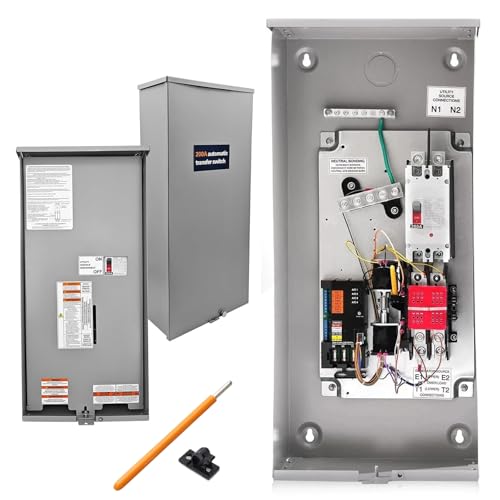
RXSW200A3 200 Amp Automatic Transfer Switch w/Power Management Replacement for Generac, Service Entrance Rated, NEMA 3R Aluminum Enclosure
- Seamless Power Transfer: Switches between utility and generator power
- Digital Load Management: Manages four HVAC loads digitally
- Generac Compatibility: Fits Generac RXSW200A3 models
As an affiliate, we earn on qualifying purchases.
As an affiliate, we earn on qualifying purchases.
Conclusion
By asking the right questions before installation, you guarantee your safety isn’t left in the dark. Remember, a transfer switch is more than just a device—it’s your lifeline during power outages. Treat it with the respect it deserves, like a trusted guardian watching over your home. Because in the end, safety isn’t just about following steps; it’s about illuminating the path to peace of mind, guiding you through the storm with confidence and care.
100A Generator Transfer Switch,24000W General-Duty Double-Throw Safety Switch,120/240-Volt Transfer Switches,Stronger Stability Manual Transfer Switches,NEMA 3R Standards for Outdoor and Indoor
- Amperage Capacity: 100 amps for reliable power transfer
- Power Handling: 24000W for high-demand appliances
- Easy Power Switching: Simple lever for seamless transfer
As an affiliate, we earn on qualifying purchases.
As an affiliate, we earn on qualifying purchases.

VEVOR Manual Transfer, 50-Amp 10-Circuit, Prewired Generator Transfer Kit with CS6375 Plug Power Inlet Box, Double-Throw, NEMA 3R, Mechanical Watt Meter, for 12500W Generators
- High-Capacity 10-Circuit Switch: Supports 50-Amp, 10 circuits for whole-house power
- Prewired CS6375 Power Inlet: Includes built-in inlet with watt meter for load monitoring
- Real-Time Watt Meter: Provides accurate generator load readings to prevent overloads
As an affiliate, we earn on qualifying purchases.
As an affiliate, we earn on qualifying purchases.
Summer Picks
summer essentials
As an affiliate, we earn on qualifying purchases.