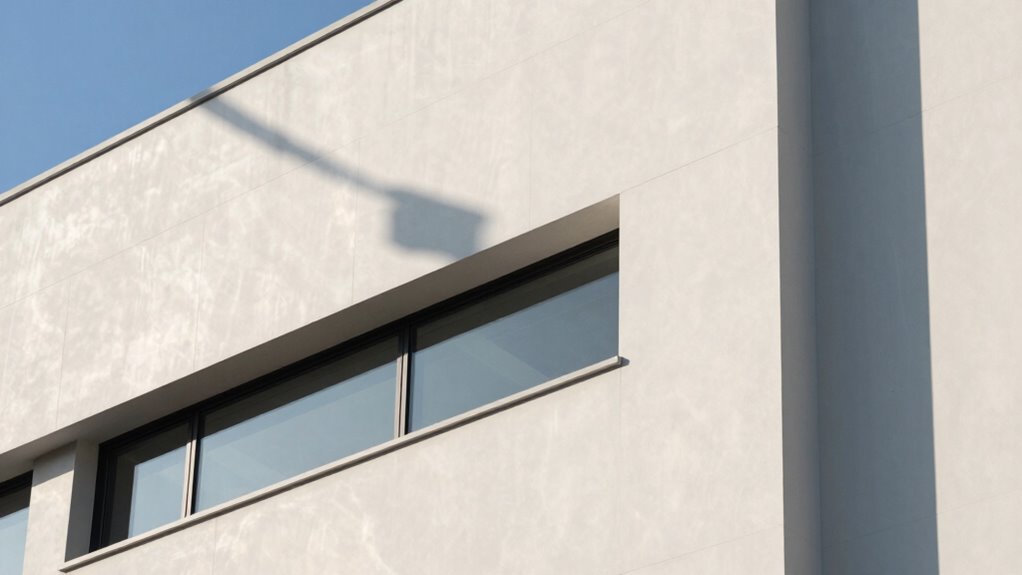

Even small shadows can cause big drops in your solar panel output by creating uneven illumination and hot spots that reduce efficiency. Shadows from trees, buildings, or debris disrupt the sunlight hitting your panels, often lowering energy production more than expected. This effect can damage your panels over time and decrease overall performance. Understanding how shadows impact your system is key—keep exploring to learn how proper planning and mitigation can maximize your solar gains.
Listen free for 30 days with Audible
Thousands of audiobooks and originals — cancel anytime.
As an affiliate, we earn on qualifying purchases.
Key Takeaways
- Even small shadows can cause disproportionate reductions in solar panel output.
- Shadows create hot spots, decreasing efficiency and risking long-term damage to panels.
- Proper site assessment and planning help identify and mitigate potential shading sources.
- Strategic placement and mounting can minimize shadow impact during peak sunlight hours.
- Using shading analysis tools ensures optimal panel positioning, maximizing energy production.
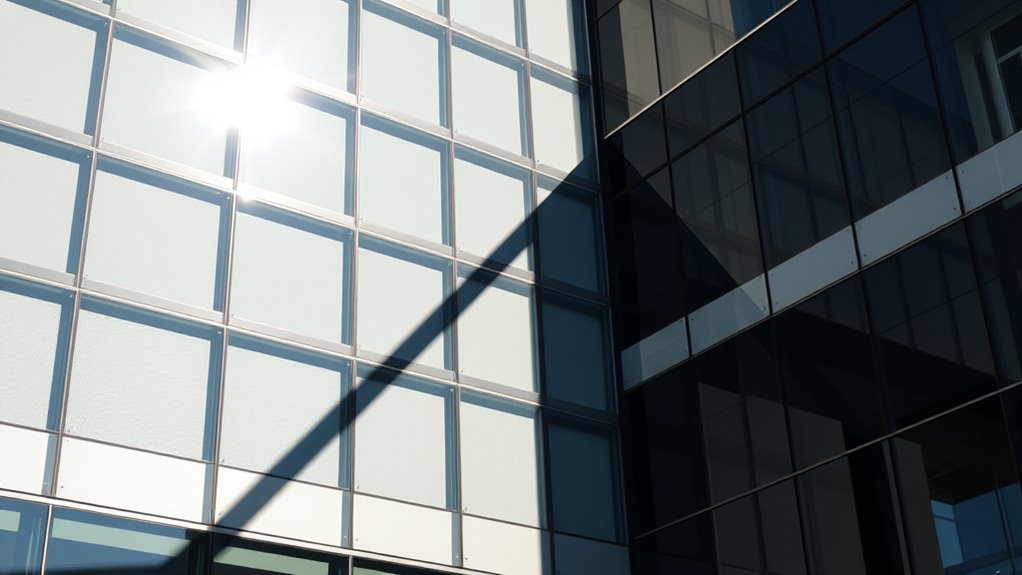
Have you ever wondered how to keep your indoor spaces cool and comfortable without relying solely on air conditioning? One often-overlooked factor is the impact of shading on solar panel performance. Even a small shadow cast over your solar panels can markedly reduce their output, making understanding shading mitigation techniques essential. When sunlight hits your panels, maximum solar panel efficiency depends on unobstructed exposure. Any shadow—be it from nearby trees, buildings, or even debris—can cause a sharp drop in energy production. That’s because shadows create uneven illumination, leading to hot spots that decrease overall efficiency and can damage the panels over time.
To prevent these losses, employing shading mitigation techniques is indispensable. Start by evaluating your site thoroughly before installing panels. Consider the position and height of nearby structures, trees, or other potential shading sources. Once you identify these risks, you can design your system to minimize their effects. For example, mounting panels at a tilt that avoids the path of shadows during peak sunlight hours ensures maximum exposure throughout the day. Additionally, spacing your panels properly prevents shadows from neighboring modules, which can cascade into reduced system performance.
Evaluate your site carefully and adjust panel placement to minimize shading and maximize solar efficiency.
Another effective approach involves using strategic shading devices, such as overhangs or awnings, which block excessive sunlight during the hottest parts of the day but still allow maximum sunlight when needed. These shading mitigation techniques serve dual purposes: they protect your panels from overheating and reduce the likelihood of shadow-caused efficiency drops. Moreover, trimming or managing nearby trees ensures they don’t grow into shadows that compromise your system’s output. Regular maintenance and site inspections are essential to keep shading sources in check and maintain optimal solar panel efficiency.
Advanced shading analysis tools can help you model how shadows move across your roof or property throughout the year. These tools allow you to plan panel placement meticulously, avoiding areas that will be shaded during critical hours. By doing so, you safeguard your investment, ensuring your solar system operates at peak efficiency. Remember, even a small shadow can cause a disproportionate decrease in energy production, so paying close attention to shading mitigation techniques is indispensable. Proper site assessment and planning are key to maximizing your solar power output and ensuring your investment pays off. When you strategically address shading issues, you maximize your solar power output, reduce your energy costs, and contribute to a more sustainable environment. In the end, understanding how shadows impact solar panel efficiency helps you make smarter decisions, ensuring your solar investment offers the maximum return.

ESPVO Anxiety Relief Bracelet for Women Items Gifts Stress Healing Crystals Kalm Bracelet Menopause Depression Amethyst Anti Comfort Panic Attack Worry Jewelry Natural Stones Easter Basket Stuffers
- Material: Natural stone beads with stainless steel components
- Size: 6.5-inch circumference with 1.8-inch extension
- Crystal Types: Includes rose quartz, amethyst, black tourmaline, and more
As an affiliate, we earn on qualifying purchases.
Frequently Asked Questions
How Does Shading Impact Long-Term Solar Panel Efficiency?
Shading diminishes your solar panel’s efficiency over time by blocking sunlight, which lowers energy output. If you don’t optimize panel orientation and inverter placement, shading effects worsen, causing uneven wear and potential damage. Long-term, persistent shading decreases overall system performance and lifespan. To maximize efficiency, guarantee panels are positioned to minimize shading throughout the day and place inverters where shading impact is least. Proper planning keeps your system running at peak performance longer.
Can Temporary Shadows Significantly Reduce Energy Output?
Yes, temporary shadows can considerably reduce your solar panel’s energy output. Even brief shadow flicker from passing clouds or nearby objects interrupts sunlight, diminishing power generation. To counter this, you should consider shading mitigation strategies like optimizing panel placement and using anti-shading technologies. These steps help maintain consistent performance and lessen the impact of temporary shadows, ensuring your system stays efficient despite changing light conditions.
What Tools Are Best for Predicting Shading Effects?
You should use shadow mapping tools and shading analysis software to predict shading effects accurately. Shadow mapping creates detailed 3D models of shadows cast by nearby objects, helping you understand potential shading impacts. Shading analysis software evaluates how shadows change throughout the day and seasons, optimizing your solar panel placement. Combining these tools allows you to forecast shading effects precisely, maximizing energy output and avoiding unexpected losses.
Are There Design Strategies to Minimize Shading Issues?
Think of your building as a dancer, moving through a stage of shadows. To minimize shading issues, you can use strategic urban planning and landscaping design, like positioning trees and structures to cast beneficial shadows. Incorporating adjustable shading devices and optimizing building orientation also helps. These strategies allow you to choreograph the dance, maximizing sunlight exposure while reducing unwanted shading that drops your output.
How Does Seasonal Sun Movement Affect Shading Concerns?
Seasonal sun movement markedly impacts shading concerns in urban planning and architectural design. As the sun’s angle changes throughout the year, shadows shift, affecting building heat gain and natural lighting. You need to contemplate these variations when designing structures to optimize energy efficiency and comfort. Incorporating adjustable shading devices and strategic building orientation helps manage seasonal shading, ensuring consistent performance regardless of the sun’s position.
Conclusion
Remember, a single shadow can cast a long-lasting impact on your solar panels’ output—like a silent thief stealing your sunlight. By understanding shading‘s subtle yet powerful influence, you hold the key to maximizing your system’s efficiency. Don’t let shadows silently sabotage your energy goals; instead, take control and plan proactively. After all, in the battle between light and shadow, awareness is your greatest weapon—shine brightly, and keep your panels thriving.

Sugandha Wellness Rainbow Moonstone Healing Crystal Necklace - Lunar Pendant Balance, Inner Light, Love & Creativity
- Symbol of New Beginnings: Balances feminine energies and chakras
- Enhanced by Full Moon: Supercharges intentions and energies
- Traveler’s Stone: Supports journeys and transitions
As an affiliate, we earn on qualifying purchases.

Vinswet Healing Crystal Bracelets for Women Men 8mm Tiger Eye Hematite Black Obsidian Natural Stone Beaded Stretch Bracelet Triple Protection Handmade Gemstone Reiki Spiritual Jewelry Gifts (Emotional Healing, 8mm)
- Handmade Crystal Bracelet: Natural gemstones with elastic stretch
- Symbolic of Growth & Prosperity: Moss Agate promotes renewal and abundance
- Comfortable Fit: 7.48 inches, 4mm beads, stretchable elastic
As an affiliate, we earn on qualifying purchases.
Labor Day sales Picks
labor day deals
As an affiliate, we earn on qualifying purchases.