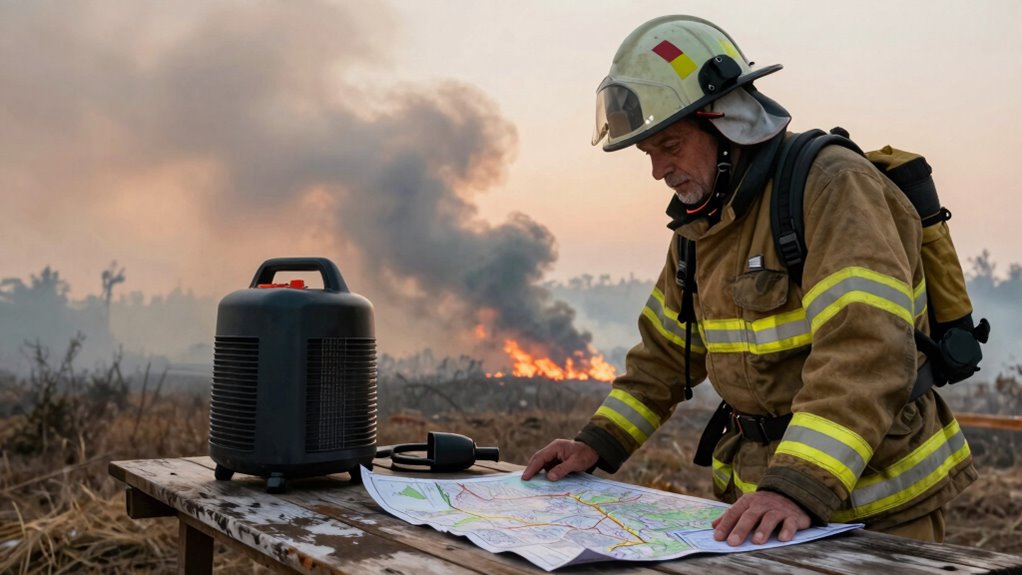
Many people think closing windows and doors keeps smoke out, but it’s not enough. Smoke particles can seep through tiny gaps and infiltrate indoor spaces easily. To stay safe, use high-quality HEPA air purifiers and guarantee your ventilation systems are well-maintained. External air quality reports help you decide when to keep windows closed. If you want to learn simple, effective ways to protect your indoor air during smoke season, keep exploring how to prepare properly.

Turn your quiet moments into listening time
- Thousands of audiobooks, podcasts and originals
- Listen on your phone, tablet or Echo — also offline
- Cancel anytime
Key Takeaways
- Relying solely on sealing windows and doors is ineffective; proper filtration and ventilation are essential.
- Use high-quality HEPA air purifiers in key indoor areas and change filters regularly.
- Monitor local air quality reports to decide when to keep windows closed or take protective measures.
- Wear N95 masks outdoors during poor air quality days to reduce inhalation of harmful particles.
- Maintain and upgrade HVAC systems with high-efficiency filters for continuous indoor air protection.
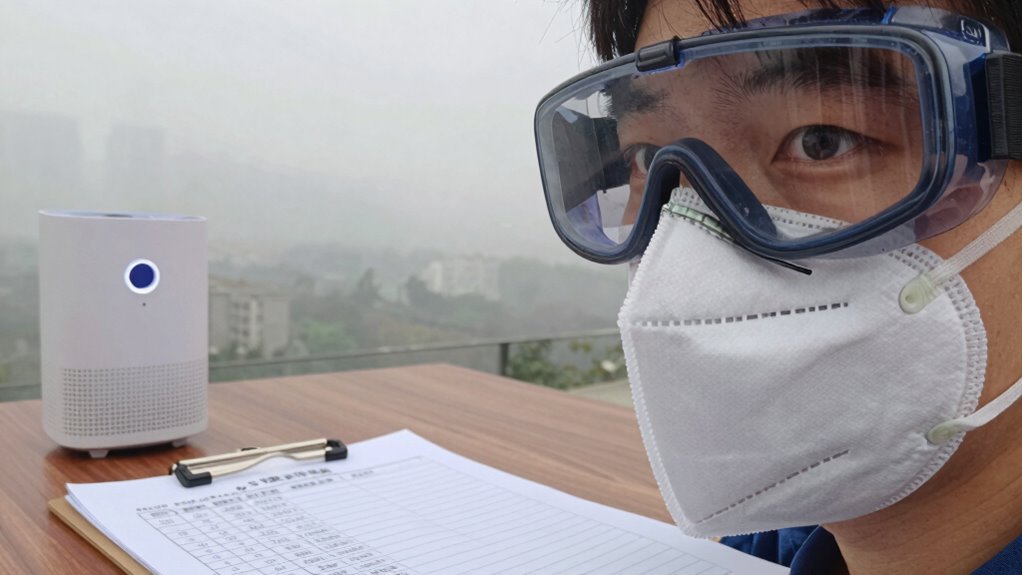
As the threat of smoke season approaches, it’s essential to prepare now to protect your health and home. Many people underestimate how quickly smoke can infiltrate indoor spaces, making indoor air quality a fundamental concern. Poor air quality doesn’t just cause discomfort; it directly impacts your respiratory health, especially if you have underlying conditions like asthma or allergies. The most common mistake is assuming that closing windows and doors is enough to block out smoke. While it’s a good start, smoke particles are tiny and can seep through small gaps, so relying solely on that measure leaves your indoor environment vulnerable.
To truly safeguard your indoor air quality, you need to take extensive steps. Using high-quality air purifiers equipped with HEPA filters can considerably reduce airborne particles. Make sure to place them in frequently used rooms for maximum effectiveness. Regularly changing filters and maintaining your devices is essential, as clogged filters won’t do the job. It’s also wise to limit activities that generate indoor pollutants, like smoking or burning candles, during smoke season. Ventilation systems should be checked and maintained to prevent smoke infiltration. If you have an HVAC system, consider installing high-efficiency filters or upgrading your system to improve its ability to trap fine particles. Additionally, understanding the importance of indoor air quality and how filtration technology works can help you make better decisions about your air purification strategies. Recognizing how air filtration works can help you choose the right solutions for your home environment. Maintaining good ventilation practices is vital, as proper airflow helps dilute indoor contaminants and improve overall air quality. Incorporating indoor air quality testing can further help identify specific pollutants present and guide targeted improvements.
Additionally, staying informed about local air quality reports is indispensable. Many communities offer real-time updates that help you decide when to keep windows closed or take additional precautions. Wearing masks, such as N95 respirators, when outside can further protect your respiratory health, especially if you need to go outdoors during poor air quality days. It’s also beneficial to understand the various types of air purifiers available, so you can select the most effective for your specific needs. Remember, the goal isn’t just to block out smoke temporarily but to maintain healthy indoor air quality throughout the season. Proper preparation means understanding that a combination of filtration, ventilation, and staying informed makes all the difference. With these strategies, you can breathe easier and safeguard your respiratory health, even when smoke clouds the air outside.
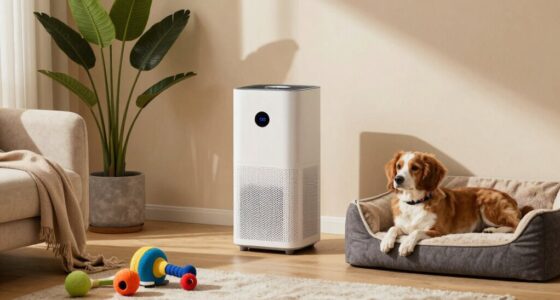
HEPA air purifier for smoke removal
As an affiliate, we earn on qualifying purchases.
As an affiliate, we earn on qualifying purchases.
Frequently Asked Questions
How Early Should I Start Preparing for Smoke Season?
You should start preparing for smoke season at least a month in advance. Begin by updating your evacuation planning, making sure everyone knows the routes and meeting points. Pack an emergency kit with essentials like masks, water, and first aid supplies. Regularly review your plan and kit, especially as conditions change. Early preparation reduces stress, keeps you safe, and guarantees you’re ready to act quickly if smoke levels worsen unexpectedly.
What Indoor Air Quality Measures Are Most Effective?
Think of your indoor air as a delicate dance—you need the right moves to keep it clean. Air purifiers are your star performers, effectively capturing smoke particles and pollutants. Combine that with smart ventilation strategies—like opening windows during peak pollution times—and you create a breathing space that feels fresh and safe. Together, these measures work in harmony, transforming your home into a sanctuary amid smoke season chaos.
Are There Specific Masks Recommended for Smoke Protection?
For smoke protection, you should choose respirators with N95 or P100 filters, as they effectively block harmful particles. Make certain to perform mask fit testing to guarantee a proper seal, maximizing protection. A well-fitted respirator prevents smoke particles from bypassing the mask, so don’t skip this step. Always follow manufacturer instructions and replace filters regularly for continued safety during smoke season.
How Do I Know if My Home Is Properly Sealed?
Did you know that poorly sealed homes can lose up to 30% of their energy? To check if your home is properly sealed, inspect your doors, windows, and vents for drafts. Make certain your home insulation is adequate and your ventilation systems are functioning correctly. Seal gaps with weatherstripping or caulking, and consider professional assessments to confirm your home’s airtightness, especially during smoke season.
What Are the Health Symptoms of Smoke Exposure?
Wildfire health issues and smoke symptoms can include coughing, throat irritation, shortness of breath, and chest tightness. You might also experience headaches, fatigue, or watery eyes. If you notice these symptoms during smoke season, it’s essential to limit your exposure by staying indoors, using air purifiers, and wearing masks if you must go outside. Recognizing these signs early helps protect your health during wildfire smoke events.
As an affiliate, we earn on qualifying purchases.
Conclusion
As smoke season approaches, you’re now equipped with the right knowledge. But remember, readiness isn’t just about what you do today—it’s about what you prepare for tomorrow. The true challenge lies ahead, in the unseen threats and unpredictable shifts. Will you stay vigilant and adapt, or let complacency catch you off guard? The choice is yours. Stay prepared, stay aware—because when smoke rolls in, it’s too late to wish you’d done more.
As an affiliate, we earn on qualifying purchases.
As an affiliate, we earn on qualifying purchases.
Fall Picks
fall essentials
As an affiliate, we earn on qualifying purchases.