To reduce lint everywhere, separate lint-heavy fabrics like towels from delicate items, wash similar fabrics together, and use cold water and gentle cycles. Clean your dryer lint trap after each load, maintain proper ventilation, and periodically check for vent blockages. Use lint removers like rollers or damp cloths on clothes and furniture. Consistently following these tips can make a big difference; keep going to discover even more effective strategies.
Key Takeaways
- Regularly clean and maintain lint filters, dryer vents, and lint traps to prevent lint circulation.
- Separate lint-heavy fabrics from delicate items during washing to minimize fiber transfer.
- Use lint-removing tools like lint rollers, damp cloths, or adhesive removers on clothing and upholstery.
- Opt for low-shedding fabrics and follow proper laundry practices, such as gentle cycles and cold water washes.
- Keep all appliances clean and well-maintained to reduce fiber dispersal throughout your home.
Are you tired of dealing with lint buildup on your clothes and around your home? It’s a common frustration, but the good news is that you can significantly reduce lint with some simple strategies. The key is focusing on lint prevention and practicing proper fabric care. When you understand how lint forms and what causes it to cling, you can take targeted steps to keep your clothes, furniture, and living space cleaner.
Lint prevention starts with paying attention to your laundry habits. Always separate lint-heavy fabrics like towels and fleece from delicate items such as silk or nylon. Washing similar fabrics together helps minimize the transfer of fibers. Using a gentle cycle and cold water can also reduce the amount of fiber shedding. Don’t overload your washing machine; overcrowding causes more friction, which leads to extra lint. Always clean your lint trap after each load to allow proper airflow and prevent lint from redepositing onto your clothes during drying. These small steps make a big difference in maintaining fabric integrity and reducing lint buildup. Additionally, opting for fabric types that shed less can further enhance your lint control efforts. Knowing the fiber shedding process can help you choose fabrics that naturally produce less lint over time.
In addition, consider the fabrics you choose for your wardrobe and home furnishings. Natural fibers like cotton and wool tend to shed more than synthetic ones, so opt for tightly woven or low-shedding fabrics when possible. When shopping for new clothes, check labels for fabric quality and care instructions. Proper fabric care is essential; over-drying or washing at high temperatures can weaken fibers, resulting in increased lint. Using fabric softeners or dryer sheets can also help reduce static and fiber breakage, which in turn cuts down on lint accumulation. Remember, the way you treat your fabrics directly impacts lint production. Understanding fiber shedding can help you make better fabric choices to minimize lint.
Dryer maintenance plays a crucial role as well. Regularly cleaning your dryer’s lint filter and vent not only improves efficiency but also prevents lint from circulating back onto your clothes and around your home. Consider using a lint brush to remove stubborn fibers from your dryer drum. If you notice excessive lint on your clothes or furniture, it might be time to check your vent system for blockages. Proper dryer care and maintenance are vital parts of a comprehensive fabric care routine that supports lint prevention. Additionally, understanding the lint formation process can help you take more targeted measures to prevent buildup. Being aware of how dryers contribute to lint dispersal helps in taking steps to minimize lint around your living space.
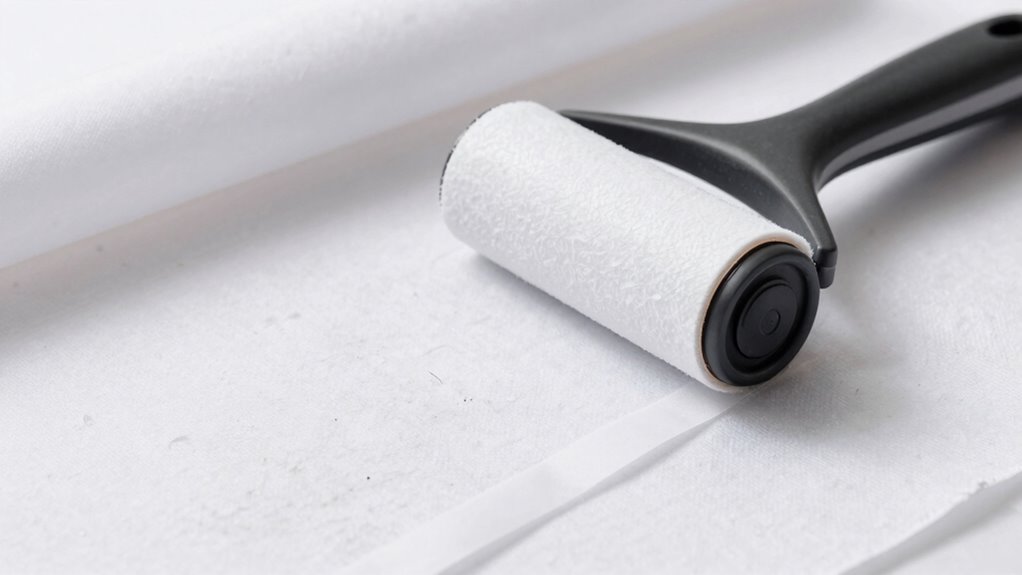
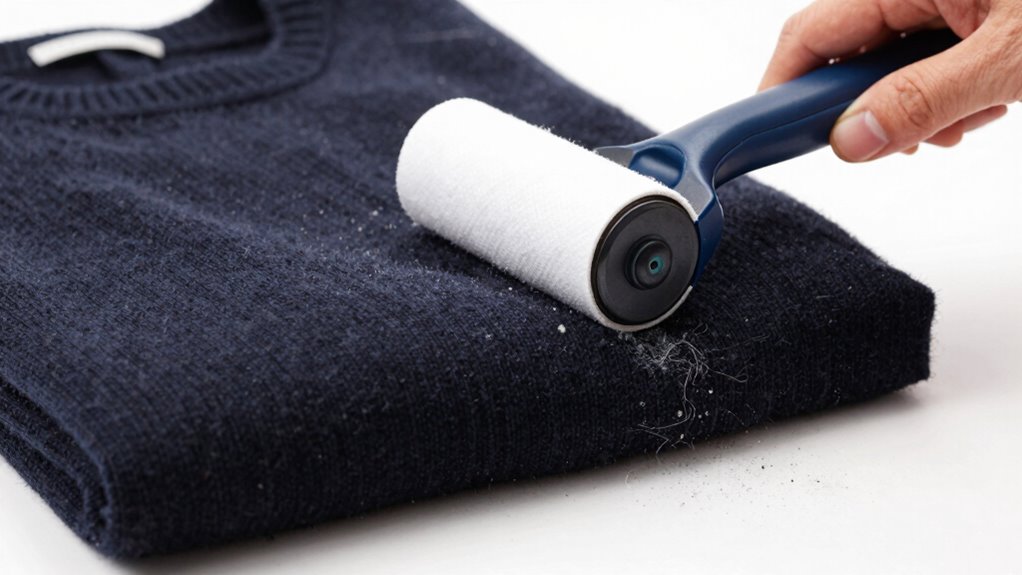
Lastly, incorporating lint-removing tools into your routine can make a noticeable difference. Use a lint roller or a damp cloth to quickly pick up stray fibers from clothing or upholstery. For stubborn lint, a pumice stone or adhesive lint remover can be effective. These tools, combined with good laundry practices and fabric care habits, will help you keep lint at bay and enjoy cleaner clothes and a tidier home. With some consistency and attention, you’ll find that controlling lint isn’t an uphill battle—it’s just a matter of smart prevention and careful fabric handling.

Swihauk 600 Sheets Extra Sticky Lint Rollers for Pet Hair, Easy Spiral Tear Lint Roller for Clothes with Ergonomic Handle, Multipurpose Lint Remover for Furniture, Carpet, Car Seat
【Extra Sticky】Upgraded with extra sticky formula, Swihauk lint rollers features a strong adhesion to remove pet hair, dust,…
As an affiliate, we earn on qualifying purchases.
As an affiliate, we earn on qualifying purchases.
Frequently Asked Questions
Can Specific Fabric Types Attract More Lint?
Yes, certain fabric textures attract more lint. Fabrics like fleece, wool, and plush materials have rougher textures that easily catch and hold lint due to their surface fibers. Smooth fabrics like silk or nylon tend to attract less lint. To minimize lint attraction, choose fabrics with tighter weaves and smoother textures, and wash clothes inside out. Being mindful of fabric textures helps reduce lint buildup on your clothing and around your space.
Does Using Dryer Sheets Prevent Lint Buildup?
Using dryer sheets can help prevent lint buildup by reducing static cling, which attracts lint. When you toss a dryer sheet into the dryer, it coats fabrics and the lint trap, making lint less likely to stick to clothes and gather on surfaces. This simple step enhances lint prevention, keeps your laundry cleaner, and minimizes lint everywhere. Just remember to replace dryer sheets regularly for ideal results.
How Often Should I Clean My Lint Trap?
Clean your lint trap consistently to prevent problems. Aim for a thorough cleaning after every load to keep your dryer running efficiently. This lint trap maintenance prevents lint buildup, prolongs appliance life, and improves drying performance. Establishing a regular cleaning schedule guarantees lint doesn’t accumulate unnoticed. By maintaining your lint trap diligently, you keep your laundry routine smooth, safe, and spotless, avoiding potential hazards and enhancing dryer efficiency.
Are There Eco-Friendly Lint Removal Options?
Yes, there are eco-friendly lint removal options. Reusable lint rollers are a great choice because you can wash and reuse them, reducing waste. Natural lint removers, like damp cloths or rubber gloves, effectively pick up lint without harsh chemicals. These options are not only gentle on your clothes and the environment but also cost-effective over time, making them excellent sustainable alternatives to disposable lint removal products.
Can Air Purifiers Reduce Lint in the Air?
Yes, air purifiers can reduce lint in the air by improving air quality and capturing lint particles. When you run an air purifier with a HEPA filter, it traps tiny lint particles and other allergens, preventing them from circulating in your space. This helps keep the air cleaner, especially in areas prone to lint buildup. Regularly using an air purifier can make a noticeable difference in maintaining a fresher, lint-free environment.

PetOde 2 Pieces Dryer Vent Cleaner Kit Compatible with Most Vacuum Cleaner, Dryer Lint Brush and Vacuum Hose Attachment with Universal Connector, Quickly Lint Remover
[Stretch Universal Connector] PetOde dryer lint vacuum cleaner attachment is designed with a premium elasticated stretch universal connector…
As an affiliate, we earn on qualifying purchases.
As an affiliate, we earn on qualifying purchases.
Conclusion
By embracing these lint-busting tricks, you’re like a skilled gardener tending to a pristine garden—removing every stubborn weed and stray leaf. With each careful sweep and mindful habit, your space transforms into a shimmering oasis, free from pesky lint. Think of your efforts as a gentle rain washing away clutter, leaving behind a fresh, spotless landscape. Keep at it, and soon your home will sparkle brighter than a dew-kissed morning.

Holikme 2 Pieces Dryer Vent Cleaner Kit, Dryer Lint Vacuum Attachment and Flexible Dryer Lint Brush, Dryer Vent Vacuum Hose Attachment,Blue
Home Essentials: Holikme dryer vent cleaner kit can easily help you to remove years of built up lint…
As an affiliate, we earn on qualifying purchases.
As an affiliate, we earn on qualifying purchases.

all Fabric Softener Dryer Sheets for Sensitive Skin, Free Clear, 195 Count
From the makers of all free clear, the #1 laundry detergent brand recommended by Dermatologists
As an affiliate, we earn on qualifying purchases.
As an affiliate, we earn on qualifying purchases.