
To stop condensation on your windows, you should improve insulation by installing weatherstripping or thermal curtains to keep indoor heat from reaching the glass. Use a dehumidifier and maintain indoor humidity between 30-50% to reduce moisture. Increase airflow with fans, ventilate high-moisture areas, and let sunlight warm the windows naturally. Proper maintenance and humidity control can make a big difference—keep exploring for more tips to keep your windows clear.
Key Takeaways
- Insulate windows with weatherstripping, thermal curtains, or storm windows to reduce temperature differences.
- Use a dehumidifier near windows and high-moisture areas to lower indoor humidity levels.
- Promote proper ventilation and airflow with fans and exhausts to prevent moist air settling around windows.
- Allow sunlight inside during the day to naturally warm window surfaces and reduce condensation.
- Monitor and maintain indoor humidity between 30-50% using a hygrometer for optimal moisture control.
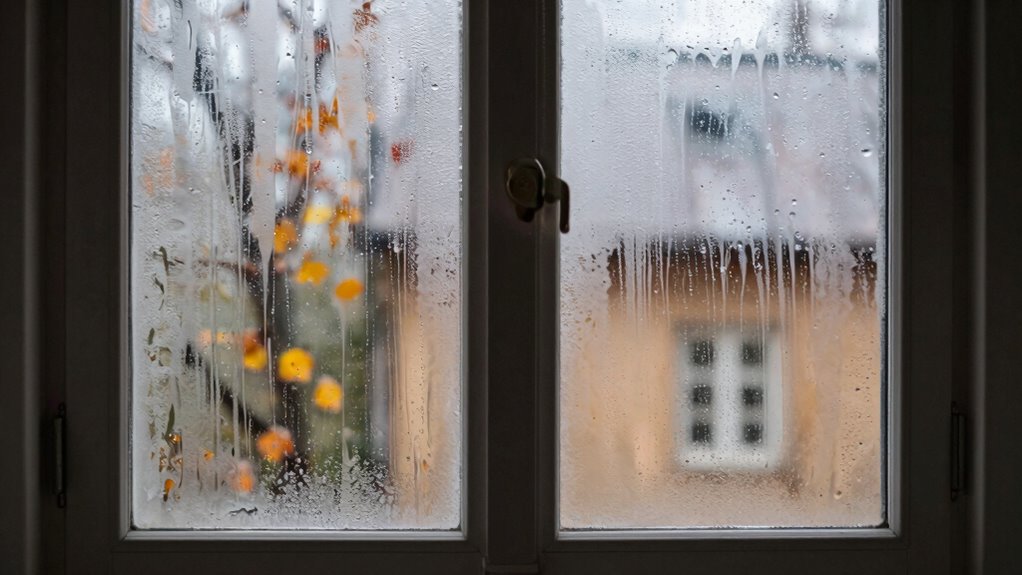
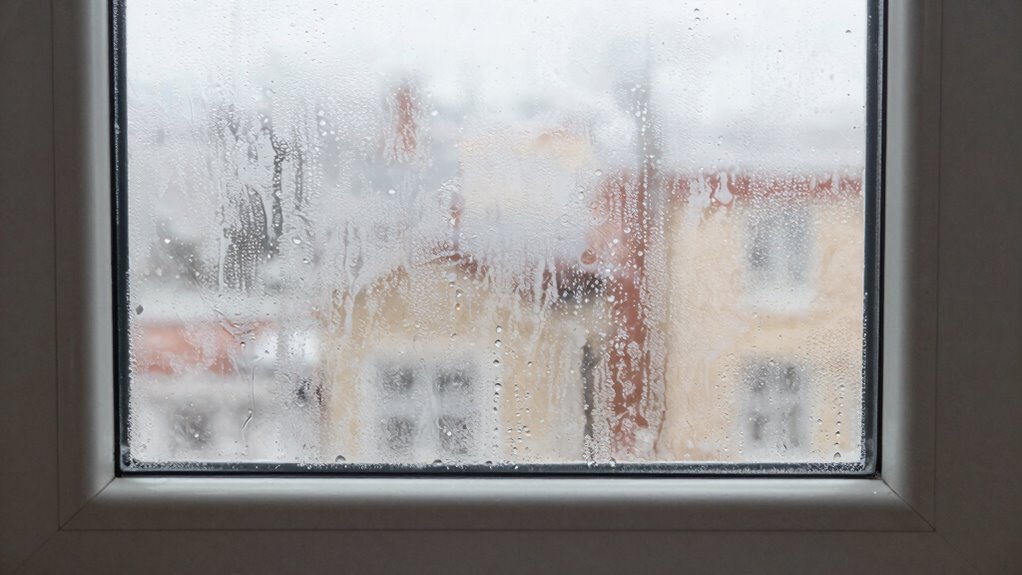
Condensation on windows often occurs when warm, moist air comes into contact with cold glass, creating water droplets that can lead to discomfort and potential mold issues. To tackle this, you need to understand the role of window insulation and how proper dehumidifier placement can make a notable difference. Improving your window insulation helps reduce the temperature difference between the inside air and the glass, preventing the air from reaching its dew point right at the window surface. You can enhance insulation by installing weatherstripping around the window frames or using thermal curtains that trap heat and keep the glass warmer. For more effective results, consider applying window film or adding storm windows, which create an extra barrier against cold air and help maintain a more stable indoor temperature.
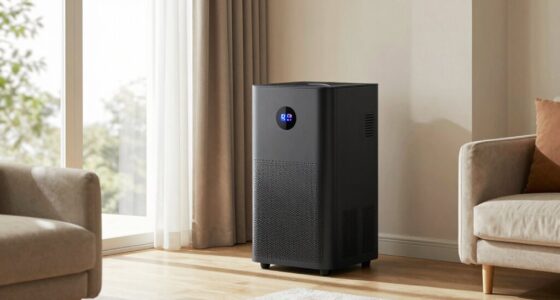
Alongside insulation, controlling indoor humidity is vital. A dehumidifier can be your best friend in this effort. Proper dehumidifier placement is essential—position it in areas where moisture tends to accumulate, such as near windows, bathrooms, or laundry rooms. Keep the dehumidifier away from walls and furniture to guarantee proper airflow and maximize its efficiency. Running it regularly during humid months can considerably lower indoor moisture levels, making it less likely for condensation to form on your windows. Additionally, choosing the right dehumidifier size ensures optimal performance and prevents unnecessary energy consumption. Understanding indoor air quality techniques can also help you create a healthier environment and reduce moisture buildup. Maintaining good ventilation habits is crucial, as it helps to exchange moist indoor air with drier outdoor air and reduce overall humidity levels. Incorporating proper airflow by using fans can further enhance the circulation and evaporation of moisture from window surfaces.
Another step you can take is to improve air circulation within your home. Use ceiling fans or portable fans to promote even air distribution, especially in rooms with large windows. Better airflow prevents the warm, moist air from settling around the glass and encourages it to circulate throughout the space, reducing condensation buildup. Additionally, opening curtains or blinds during the day allows sunlight to warm the window glass naturally, further reducing the chances of moisture accumulation. Understanding window insulation techniques can significantly contribute to maintaining a dry and comfortable indoor environment. Monitoring indoor humidity levels with a hygrometer can help you stay on top of the situation. Ideally, keep humidity between 30% and 50%. If it’s higher, your chances of condensation increase. In such cases, adjusting your dehumidifier or increasing ventilation will help. Also, consider using exhaust fans in bathrooms and kitchens, which are high-moisture zones, to quickly remove excess moisture before it reaches your windows.
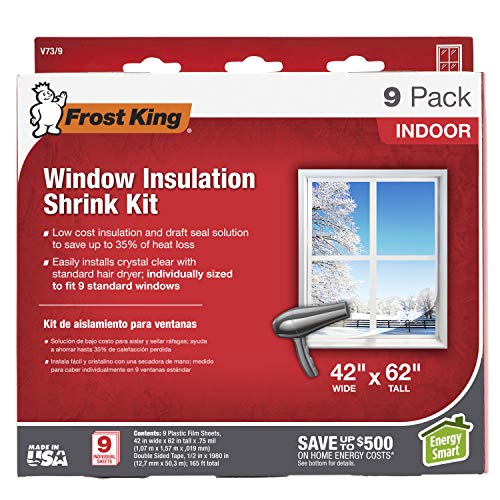
Frost King V73/9H Indoor Shrink Window Kit 42 62-Inch, Clear, 9-Pack
This product adds a great value
As an affiliate, we earn on qualifying purchases.
As an affiliate, we earn on qualifying purchases.
Frequently Asked Questions
Can Condensation Damage Window Frames Over Time?
Condensation can indeed damage window frames over time, especially if it’s persistent. When moisture sits on frames, it can cause wood to rot or metal to corrode. To prevent this, you should improve your window insulation and adopt effective ventilation strategies. Proper insulation reduces temperature differences, while good ventilation helps remove excess moisture from the air, protecting your window frames from long-term damage caused by condensation.
Does Using a Dehumidifier Increase Energy Bills Significantly?
Think of your dehumidifier as a diligent guardian battling moisture’s invasion. It does increase energy consumption, but the cost implications are usually manageable compared to the damage caused by excess humidity. You’ll find that running it efficiently, especially during humid months, can help prevent mold and condensation, ultimately saving you money on repairs. In the end, the benefits of a healthier, more comfortable home often outweigh the modest increase in energy bills.
Are There Specific Window Materials More Prone to Condensation?
Certain glass types, like single-pane windows, are more prone to condensation because they lack insulation. Similarly, frame materials such as metal or aluminum conduct heat away quickly, increasing condensation risk, whereas vinyl or wood frames insulate better. You can reduce moisture buildup by upgrading to double-glazed or insulated glass and choosing frame materials with better insulating properties. These adjustments help keep your windows dry and prevent condensation from forming.
How Quickly Does Condensation Typically Form on Windows?
Condensation on windows can form within minutes when humidity buildup is high, especially on cold surfaces. You’ll notice it quickly in winter or on chilly days when warm, moist air hits the cold glass. The faster the indoor humidity rises and the colder the window surface, the sooner condensation appears. To reduce this, you can lower indoor humidity levels and improve ventilation, preventing moisture from accumulating on your windows.
Can Indoor Plants Affect Window Condensation Levels?
Indoor plants are like tiny humidifiers, adding moisture to your home’s air. If you place them too close to windows, their moisture increases indoor humidity, which can lead to more condensation. To keep your windows clear, consider strategic plant placement—away from windows or in well-ventilated areas. Balancing indoor humidity helps prevent excess condensation, keeping your windows dry and your space comfortable.
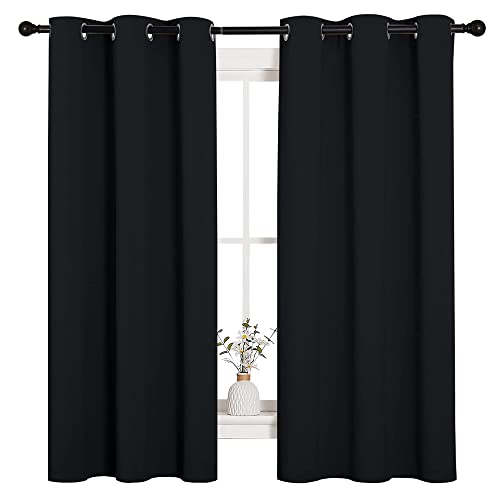
NICETOWN Halloween Pitch Black Solid Thermal Insulated Grommet Blackout Curtains/Drapes for Bedroom Window (2 Panels, 42 inches Wide by 63 inches Long, Black)
READY MADE: Set includes 2 BLACKOUT CURTAINS PANELS of 42" wide x 63" length with 6 grommets top…
As an affiliate, we earn on qualifying purchases.
As an affiliate, we earn on qualifying purchases.
Conclusion
By following these simple steps, you can effectively reduce or eliminate window condensation. It might seem like a hassle at first, but taking proactive measures like improving ventilation or using moisture absorbers really pays off. Don’t let condensation damage your windows or cause mold — it’s easier than you think to keep your home dry and comfortable. With a little effort, you’ll enjoy clear, condensation-free windows all year round.

Dehumidifier, 95OZ Dehumidifier for Home 1000 Sq.Ft – Quiet with Auto Shut Off & Relaxing 7 Color Ambient Light,Ideal for Livingroom, Bedroom, Basement(Black)
Semiconductor dehumidifiers use thermoelectric cooling to remove moisture from the air. They create a drier, more comfortable environment…
As an affiliate, we earn on qualifying purchases.
As an affiliate, we earn on qualifying purchases.
Frost King V73/9H Indoor Shrink Window Kit 42 62-Inch, Clear, 9-Pack
This product adds a great value
As an affiliate, we earn on qualifying purchases.
As an affiliate, we earn on qualifying purchases.