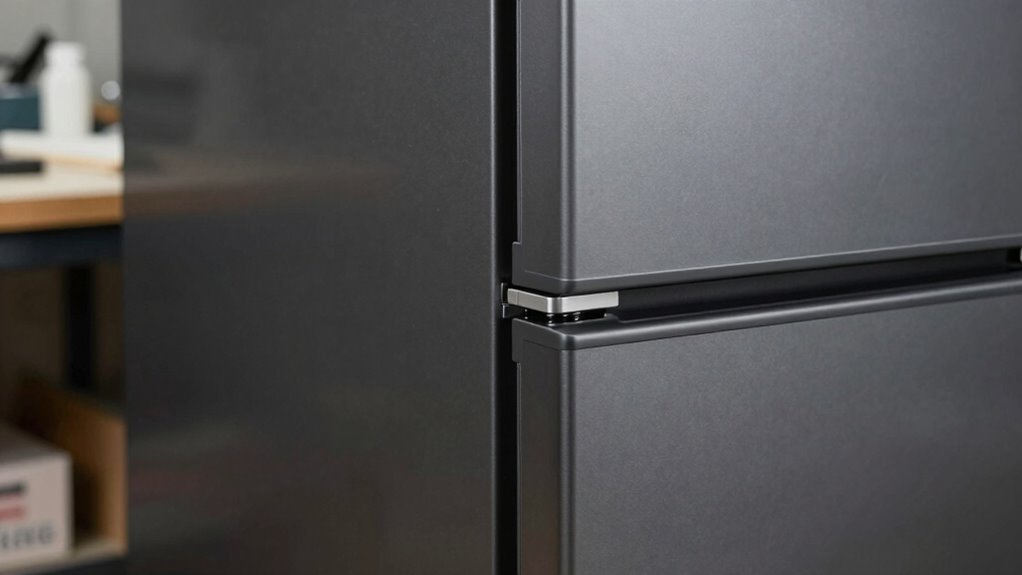

Building appliances with high-quality materials, craftsmanship, and thoughtful design helps them last longer by making them more durable, reliable, and easier to maintain. When components are well-made and assembled properly, they resist wear, stress, and damage over time. Choosing appliances with strong parts and smart features can save you money and reduce waste. To discover how to identify durable appliances and get the most value, keep exploring these important factors.

Turn your quiet moments into listening time
- Thousands of audiobooks, podcasts and originals
- Listen on your phone, tablet or Echo — also offline
- Cancel anytime
Key Takeaways
- High-quality materials resist corrosion, cracks, and decay, maintaining structural integrity over time.
- Precise manufacturing and careful assembly reduce stress on components, preventing early failures.
- Durable components and advanced manufacturing techniques ensure consistent performance and longevity.
- Skilled craftsmanship and robust design strategies optimize stress distribution and environmental resistance.
- Reliable parts, warranty support, and maintenance access facilitate easier repairs, extending appliance lifespan.
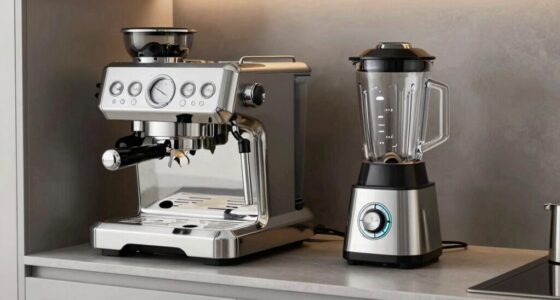
high quality durable kitchen appliances
As an affiliate, we earn on qualifying purchases.
As an affiliate, we earn on qualifying purchases.
The Significance of Durable Materials in Appliances

Durable materials are the foundation of appliances that last. Material innovation plays a crucial role in enhancing appliance longevity by developing stronger, more resilient components. Manufacturers invest in durability testing to guarantee these materials withstand daily wear, temperature fluctuations, and mechanical stress. When you choose appliances built with advanced materials, you’re investing in products designed to resist corrosion, cracks, and fatigue over time. These innovations lead to sturdier shells, reliable internal parts, and overall improved performance. Durability testing verifies that each material can handle real-world conditions, giving you confidence in your appliance’s lifespan. By prioritizing durable materials, you reduce the need for repairs and replacements, ensuring your investment remains functional and efficient for years to come. Material resilience is essential in maintaining appliance integrity under diverse environmental conditions, and ongoing research in material science continues to drive improvements in appliance durability. Additionally, incorporating advanced manufacturing techniques enhances the overall quality and longevity of appliances, further supporting product reliability in everyday use.
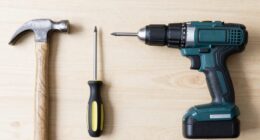
appliance with corrosion resistant materials
As an affiliate, we earn on qualifying purchases.
As an affiliate, we earn on qualifying purchases.
Craftsmanship and Its Impact on Longevity

While high-quality materials are essential, the craftsmanship behind an appliance greatly influences its lifespan. Artisan craftsmanship guarantees precise assembly, reducing the chances of early failure. Finish quality reflects attention to detail, preventing issues like corrosion or loose components. When skilled artisans craft appliances, they optimize durability through careful fitting and finishing. Additionally, essential oil properties such as antimicrobial and antioxidant effects can help preserve the appliance’s components and extend its usability. Superior attention to detail enhances reliability. Precise alignment minimizes wear and tear. Quality finish prevents deterioration over time. Handcrafted techniques often lead to better heat and stress distribution. This attention to detail directly impacts how long your appliance lasts. When artisans focus on finish quality, they create a product that withstands daily use and environmental factors. Furthermore, employing quality control practices ensures that each appliance meets high standards and maintains longevity. Incorporating continuous improvement processes allows manufacturers to identify and rectify potential issues proactively, further extending appliance lifespan. A rigorous inspection process is key to catching defects early and ensuring consistent quality. Ultimately, craftsmanship isn’t just about looks; it’s about building a resilient, long-lasting appliance that maintains its performance over the years.
As an affiliate, we earn on qualifying purchases.
How Thoughtful Design Reduces Wear and Tear
Thoughtful design makes your appliances last longer by reducing stress on key parts. Simplified interfaces prevent user errors, while durable materials withstand daily use. Efficient mechanical components work smoothly, minimizing wear and extending lifespan. Additionally, integrating energy-efficient technology ensures the appliances operate with less power, reducing thermal stress and further prolonging their service life.
Streamlined User Interfaces
A well-designed user interface can substantially reduce the wear and tear on appliances by making operation intuitive and effortless. When interfaces incorporate ergonomic design, you’re less likely to press the wrong buttons or apply excessive force. An aesthetically appealing layout also encourages proper use, preventing mishandling. Thoughtful interfaces lead to smoother interactions, minimizing unnecessary stress on components. Consider these points:
- Clear, simple controls prevent accidental damage
- Responsive touchscreens or buttons enhance precision
- Logical layouts reduce user confusion
- Visual cues improve usability and reduce errors
Durable Material Choices
Choosing durable materials for appliances is a key way to extend their lifespan, especially when combined with user-friendly design. By selecting eco-friendly materials like recycled plastics and sustainable metals, you reduce environmental impact while enhancing durability. Innovative composites, such as reinforced polymers, resist wear and cracks better than traditional materials. These thoughtful choices prevent early breakdowns and minimize replacements. Consider this table of common durable materials:
| Material Type | Benefits | Eco-Friendly Aspect |
|---|---|---|
| Recycled Steel | Strong, corrosion-resistant | Yes |
| Innovative Composites | Lightweight, tough | Often sustainable |
| Bamboo Fiber | Flexible, eco-friendly | Yes |
| Recycled Plastics | Cost-effective, durable | Yes |
| Thermally Treated Wood | Resistant to moisture | Yes |
These materials work together to reduce wear and tear, prolonging appliance life.
Efficient Mechanical Components
By designing mechanical components that are efficient and easy to maintain, manufacturers can substantially reduce wear and tear over time. This approach not only enhances energy efficiency but also preserves the appliance’s aesthetic appeal. Thoughtful mechanical design minimizes friction and strain on moving parts, leading to fewer breakdowns. When components are optimized for smooth operation, your appliance runs more reliably and consumes less power. Additionally, simple maintenance becomes easier, extending lifespan further. Keep these points in mind:
- Using high-quality lubricants to reduce friction
- Incorporating precision engineering for better fit and function
- Selecting materials resistant to fatigue and corrosion
- Designing for easy access to critical parts for routine upkeep
- Thermal behavior considerations can further improve component durability and performance. Taking into account heat management can prevent overheating and material degradation, further enhancing longevity. Implementing effective thermal control strategies helps maintain consistent operating temperatures, reducing stress on components and prolonging service life. Paying attention to component alignment is also crucial, as it ensures parts work together smoothly and reduces unnecessary strain. Additionally, considering vibration dampening techniques can help minimize mechanical stress and prolong the life of the appliance. This ensures your appliance stays efficient, attractive, and durable longer.
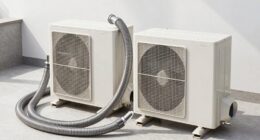
appliances with extended lifespan warranty
As an affiliate, we earn on qualifying purchases.
As an affiliate, we earn on qualifying purchases.
The Role of Proper Assembly and Construction

Proper assembly and construction are fundamental to an appliance’s durability. When your appliance is built with precision, it not only functions reliably but also maintains its appearance over time, enhancing its overall appliance aesthetics. Well-assembled appliances are less prone to breakdowns, saving you money and frustration. Manufacturers often use proper construction as a key marketing strategy, emphasizing quality craftsmanship to attract buyers. This focus on solid assembly ensures that components fit correctly, reducing stress on parts and preventing premature failure. Attention to detail during assembly also contributes to fewer defects and a longer lifespan. Ultimately, investing in appliances built with proper assembly and construction means you get more value, better performance, and an extended service life.
Quality Components and Their Contribution to Reliability
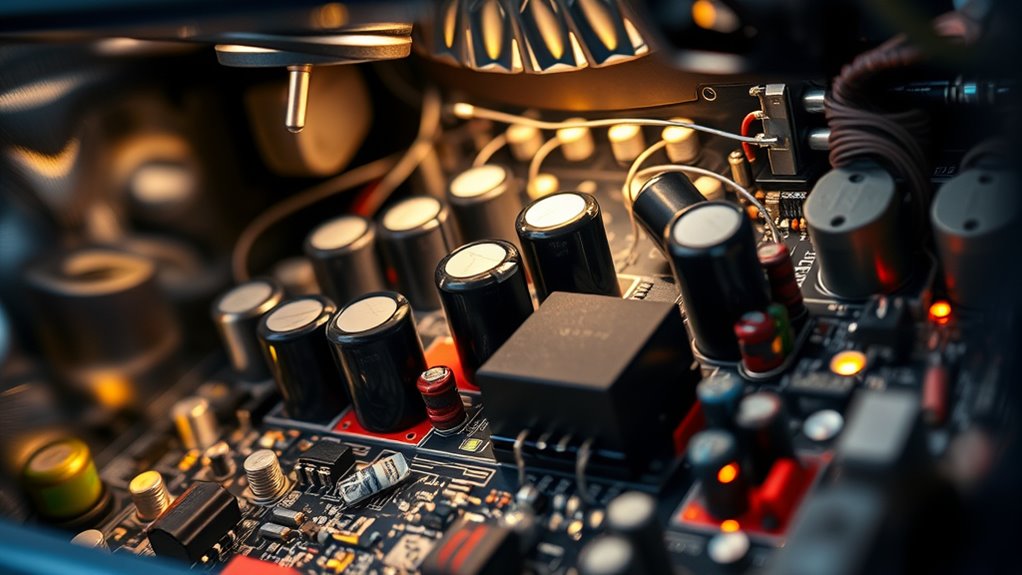
When appliances are built with high-quality components, their reliability increases considerably. Using durable parts reduces the likelihood of breakdowns, saving you money and frustration. High-quality components also enhance warranty considerations, as manufacturers are more confident in their products’ longevity, often offering better coverage. Additionally, incorporating quality components can positively impact the appliance’s off-road durability, ensuring consistent performance in various conditions. Moreover, the use of reliable electric motors in appliances can contribute to energy efficiency and smoother operation. Furthermore, a reputation for reliable components boosts the brand’s overall reputation, making it easier for you to trust their appliances. Incorporating holistic SEO strategies such as content relevance and technical optimization can help manufacturers communicate these quality benefits effectively to consumers. Implementing quality control measures throughout production further ensures that only top-tier parts are used, reinforcing durability. Keep these points in mind:
High-quality components boost appliance reliability, reduce repairs, and enhance warranty coverage for lasting performance.
- Better components mean fewer repairs and replacements
- Longer-lasting parts improve overall appliance lifespan
- Stronger warranty support reflects manufacturer confidence
- Reputable brands prioritize quality to maintain trust
- Investing in appliances with quality components supports AI ethics by ensuring product safety and durability.
Investing in appliances with quality components ensures you benefit from reliable performance and peace of mind, knowing your appliance is built to last.
The Benefits of Advanced Manufacturing Techniques
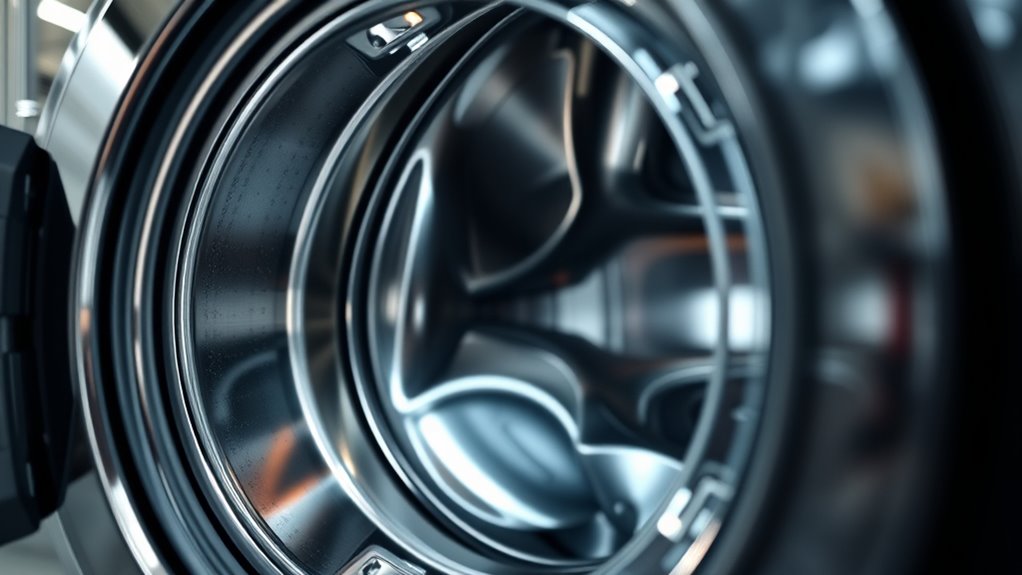
Advanced manufacturing techniques play a crucial role in producing more durable and reliable appliances. Through innovative manufacturing, manufacturers can design components with greater precision, reducing defects and enhancing longevity. Material innovations allow for stronger, lighter, and more heat-resistant parts, which resist wear and tear over time. These advancements enable tighter tolerances and better assembly consistency, leading to appliances that last longer. Incorporating quality assurance practices during manufacturing further ensures consistent product performance and durability. Additionally, reliance on cloud services in manufacturing processes can improve real-time monitoring and quality control, further extending appliance lifespan. Embracing nanotechnology innovations can also contribute by enabling the development of components at the atomic level, increasing durability and performance. Implementing advanced testing methods ensures that appliances meet rigorous durability standards before reaching consumers.
Maintenance and Its Relationship With Build Quality
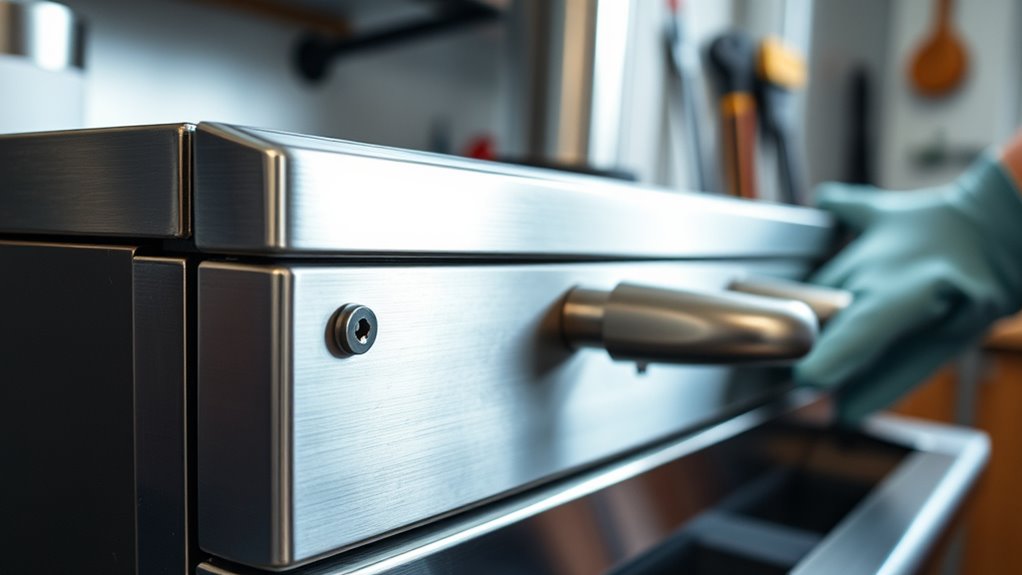
Proper maintenance is essential to keep your appliances running smoothly and extend their lifespan. Regular practices like cleaning and inspections help prevent issues caused by wear and tear. Choosing appliances with quality materials makes maintenance easier and guarantees long-term durability.
Regular Maintenance Practices
Regular maintenance plays a vital role in maximizing an appliance’s lifespan, especially when combined with high build quality. Consistently cleaning filters, checking for loose parts, and following manufacturer guidelines help preserve energy efficiency and keep your appliance looking attractive. Proper upkeep prevents minor issues from escalating, reducing repair costs and downtime. When you maintain your appliance regularly, you also protect its aesthetic appeal, ensuring it stays sleek and visually pleasing. Additionally, routine tasks like cleaning vents or lubricating moving parts improve overall performance. Remember, the more diligently you care for your appliance, the longer it will function efficiently and maintain its quality. Regular maintenance acts as a safeguard, enhancing durability and helping you get the most value from your investment.
Quality Material Selection
Choosing the right materials is vital because they directly influence an appliance’s durability and ease of maintenance. To guarantee top quality, material testing is paramount; it verifies that components meet strength, corrosion resistance, and thermal stability standards. Alongside testing, supplier evaluation helps you select reliable sources that consistently deliver high-quality materials. This process involves reviewing supplier track records, quality certifications, and consistency in material performance. When you prioritize quality material selection, you reduce the likelihood of early failures and costly repairs, ultimately extending your appliance’s lifespan. By combining thorough material testing with diligent supplier evaluation, you create a foundation for durable appliances that require less maintenance and perform reliably over time.
Cost-Effectiveness of Investing in High-Quality Appliances
Investing in high-quality appliances may seem costly upfront, but it often proves to be more cost-effective over time. You’ll save money through lower energy bills, thanks to better energy efficiency. Stronger brand reputation ensures reliability and better customer support, reducing repair costs. High-quality appliances tend to last longer, decreasing replacement expenses and waste. Consider these points:
- Greater durability cuts long-term replacement costs
- Enhanced energy efficiency lowers monthly utility bills
- Trusted brand reputation minimizes repair expenses
- Higher initial investment pays off with fewer service calls
Environmental Benefits of Longer-Lasting Appliances
Long-lasting appliances not only save you money but also benefit the environment by reducing waste and resource use. When your appliances endure longer, fewer items end up in landfills, decreasing environmental pollution. Plus, durable appliances often maintain their appearance better, supporting appliance aesthetics over time. This minimizes the need for frequent replacements, which saves raw materials and energy used in manufacturing. Additionally, investing in quality appliances enhances brand reputation, encouraging manufacturers to prioritize sustainability and eco-friendly practices. By choosing appliances built to last, you help conserve natural resources, lower carbon emissions, and promote a greener planet. Your decision to prioritize longevity directly contributes to reducing environmental impact, making your home not just more efficient but also more environmentally responsible.
Tips for Identifying Appliances Built for Durability

How can you tell if an appliance is built to last? Start by checking the brand reputation; trusted brands often prioritize durability. Next, review the warranty coverage—longer warranties indicate confidence in the product’s longevity. Look for solid construction features like heavy-duty materials and reinforced components. Additionally, examine customer reviews for insights on real-world durability. Finally, verify the availability of spare parts and service support, which guarantee repairs are feasible over time.
Check brand reputation, warranty length, construction quality, reviews, and spare parts to ensure appliance durability.
- Brand reputation signals quality and reliability
- Extended warranty coverage shows confidence in durability
- Solid construction indicates lasting materials
- Positive reviews highlight real-world performance
Frequently Asked Questions
How Does Build Quality Influence Appliance Repair Frequency?
You’ll find that better build quality reduces how often you need repairs because high-quality material selection makes appliances more durable. When manufacturing precision is high, parts fit together perfectly, lowering the chance of breakdowns. This means your appliance is less likely to suffer from early wear and tear, and you won’t need repairs as frequently, saving you time and money in the long run.
Can Warranty Coverage Reflect the Durability of an Appliance?
Warranty coverage is like a mirror reflecting an appliance’s durability indicators. When warranty terms are extensive, it shows the manufacturer’s confidence in the product’s longevity. A longer, detailed warranty suggests the appliance is built to last, reducing repair needs. Conversely, limited coverage may hint at weaker durability indicators. So, you can often gauge an appliance’s sturdiness by examining its warranty, making it a useful guide in your purchasing decision.
What Role Does Brand Reputation Play in Appliance Longevity?
Your brand perception profoundly influences appliance longevity because trusted brands inspire consumer trust. When you choose a reputable brand, you’re more likely to get durable appliances built with higher quality materials and better craftsmanship. This trust encourages brands to maintain high standards, ultimately extending the lifespan of your appliance. So, by considering a brand’s reputation, you increase the chances of investing in reliable, long-lasting appliances that serve you well over time.
How Does User Handling Affect the Lifespan of High-Quality Appliances?
Treat your high-quality appliances like delicate instruments, and they’ll serve you longer. Proper handling and maintenance habits act as guardians, shielding your investment from wear and tear. When you handle them gently, clean regularly, and follow usage guidelines, you’re extending their lifespan like a well-tended garden flourishing over time. Your care transforms everyday use into a dance of longevity, ensuring your appliances stay reliable and efficient for years to come.
Are There Specific Certifications Indicating Superior Build Quality?
Yes, there are specific certifications indicating superior build quality, such as ISO standards and UL listings. These quality certifications verify that appliances meet strict material standards and safety requirements. When you see these certifications, you can rely on the appliance’s durability and craftsmanship. Always look for reputable quality certifications to ensure you’re choosing a product built with high standards, which ultimately extends its lifespan and performance.
Conclusion
Choosing appliances built with quality materials and craftsmanship might cost more upfront, but it saves you money and hassle later. While cheaper models may seem tempting, they often wear out faster and require frequent replacements. Investing in durable appliances means fewer repairs, less waste, and a smaller environmental footprint. In the end, durability isn’t just about longevity; it’s about peace of mind and smarter spending in a world that values both quality and sustainability.
Fall Picks
fall essentials
As an affiliate, we earn on qualifying purchases.