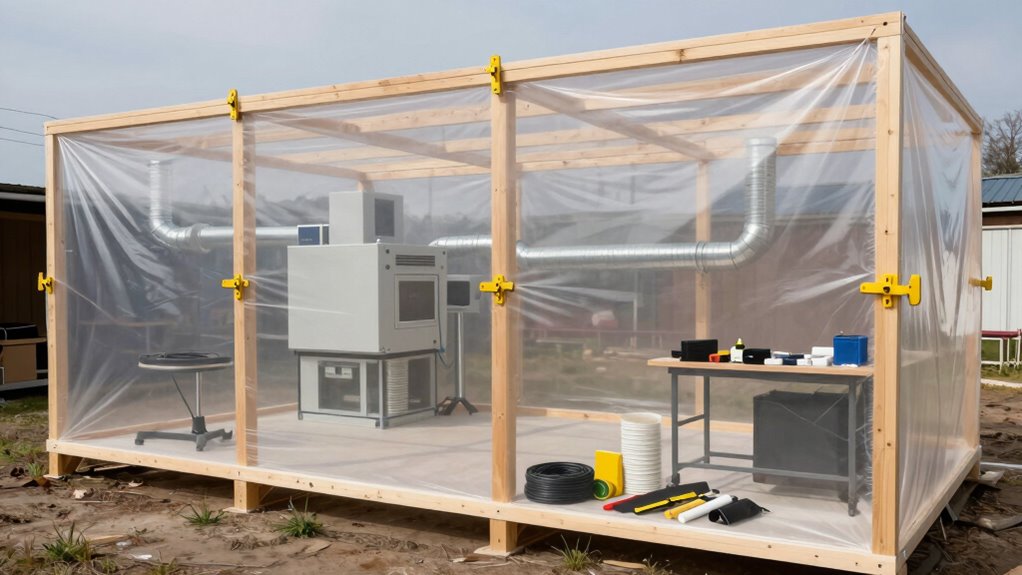

To build a clean room for wildfire season, select a small, enclosed space with minimal windows and vents. Seal all gaps around doors and vents with weather stripping to prevent smoke entry. Install a HEPA filter-capable air purifier and run it continuously. Use fans to circulate filtered air inside and avoid unfiltered outdoor air. Monitor indoor air quality with sensors, adjusting ventilation as needed. For detailed step-by-step instructions, continue exploring how to effectively create your safe haven.

Turn your quiet moments into listening time
- Thousands of audiobooks, podcasts and originals
- Listen on your phone, tablet or Echo — also offline
- Cancel anytime
Key Takeaways
- Select an enclosed, airtight room with minimal windows or vents and seal all gaps tightly.
- Install a high-quality HEPA air purifier with sufficient CADR and run it continuously during smoke events.
- Create positive pressure by introducing filtered, clean air into the room, minimizing outdoor air entry.
- Use fans strategically to promote indoor airflow away from potential smoke infiltration areas.
- Monitor indoor air quality regularly and adjust ventilation and filtration practices accordingly.
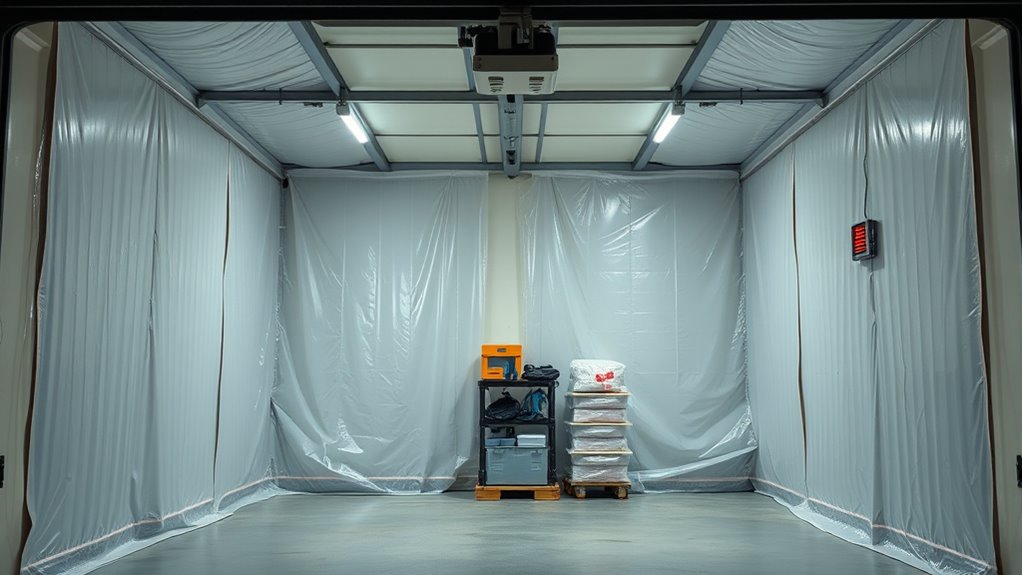
As wildfire season approaches, preparing a clean room can substantially reduce your exposure to harmful smoke and airborne particles. Creating a space where air quality is controlled involves understanding the importance of air filtration and effective ventilation strategies. Your goal is to design a room that minimizes smoke infiltration and maintains a steady supply of clean, filtered air. Start by selecting a room that’s as enclosed as possible—ideally, one with few windows or vents that can let in outside air during smoky conditions. Seal any gaps around doors, windows, and vents with weather stripping or airtight seals to prevent smoke from seeping in.
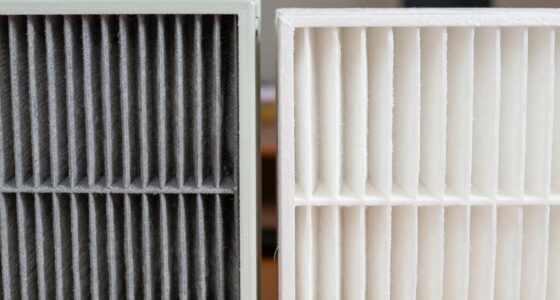
Once the room is sealed, focus on air filtration. Installing a high-efficiency particulate air (HEPA) filter is critical because it captures tiny particles, including wildfire smoke and ash. Choose an air purifier with a sufficient Clean Air Delivery Rate (CADR) for the size of the room. Position the purifier centrally to ensure even distribution of clean air and run it continuously when smoke levels are high. Remember, a good air filtration system is the backbone of your clean room, so prioritize quality and maintenance, changing filters regularly to keep the system effective. Additionally, understanding air quality standards can help you better assess when to increase filtration efforts.
Ventilation strategies are equally important. You want to create a positive pressure environment where clean air flows into the room and pushes contaminated air out, preventing smoke from infiltrating. To achieve this, you can use a dedicated ventilation system that introduces fresh, filtered air directly into the room. Alternatively, if you don’t have a ventilation system, keep the room’s door closed as much as possible and use the air purifier to continuously circulate and filter the air. If you need to open windows or doors for any reason, do so only during times when outdoor air quality is better, such as early mornings or after rain, and do so briefly.
Another key aspect is maintaining proper airflow. Use fans carefully—placing them to promote airflow from the clean room to adjacent spaces can help contain smoke. Avoid exhaust fans that pull unfiltered outdoor air into the room. Regularly monitor indoor air quality using portable air quality sensors so you can adjust your ventilation strategies accordingly. By combining airtight sealing, strategic air filtration, and thoughtful ventilation tactics, you can create a resilient clean room that considerably reduces your smoke exposure during wildfire season. This proactive approach helps protect your respiratory health while providing peace of mind in smoky conditions.
Products Worth Considering

Levoit Eleva 300X HEPA Air Purifier for Home and Bedroom

Levoit Core 400S-P Smart Air Purifier for Large Rooms

Coway Airmega 250 Air Purifier for Large Rooms
As an affiliate, we earn on qualifying purchases.
Frequently Asked Questions
How Much Does Building a Clean Room Typically Cost?
Building a clean room usually costs between $10,000 and $50,000, depending on size, materials, and complexity. You should start with a detailed cost estimation to understand expenses and plan your budget accordingly. Keep in mind that factors like insulation, filtration systems, and construction quality impact overall costs. Proper budget planning ensures you allocate enough funds for materials, labor, and potential upgrades, making your wildfire season prep more effective and affordable.
Can I Retrofit an Existing Room Into a Clean Room?
You can retrofit an existing room into a clean room, transforming it into a fortress against wildfire smoke. Focus on sealing gaps with effective insulation techniques and upgrading ventilation requirements to guarantee a steady flow of filtered air. Replace or enhance windows and doors, and add HEPA filters to the ventilation system. With careful planning, your current space becomes a resilient sanctuary, keeping harmful particles at bay like a shield against the storm.
What Are the Best Materials for Wildfire-Resistant Clean Rooms?
You should use fire-resistant panels like mineral-based or metal materials for your clean room walls, as they withstand heat and flames effectively. Incorporate high-quality ventilation filters designed for wildfire smoke, ensuring clean indoor air. These materials provide durability and fire resistance, helping protect your space during wildfire season. Always verify the panels’ fire ratings and filter specifications to maximize safety and air quality in your clean room.
How Long Does It Take to Construct a Clean Room?
Construction of your wildfire-resistant clean room typically takes 2 to 4 weeks, depending on the complexity and size. You’ll want to take into account design factors like ventilation, sealing, and material selection to ensure effectiveness. The timeline can vary based on contractor availability and supply chain factors. Stay proactive, plan ahead, and communicate clearly with your builder to ensure your clean room is ready before wildfire season peaks.
Are There Any Legal Permits Required for Building a Clean Room?
You’ll need to navigate building codes and the permit process before starting your clean room. Missing permits could delay your project or cause legal issues, so check with your local authorities early on. Visualize submitting plans, waiting for approvals, and complying with safety standards. This step ensures your clean room meets all legal requirements, avoiding surprises down the line, and keeps your wildfire season preparations on track smoothly and legally.
Conclusion
Now that you’ve built your basic barrier, breathe easier during wildfire season. By blending barriers, boosting ventilation, and maintaining your clean room, you create a safe sanctuary amid smoky skies. Remember, preparedness is your best protection—practice, plan, and protect. With a little effort, you’ll enjoy enhanced safety and peace of mind, even when wildfires threaten. Stay steadfast, stay safe, and let your smart setup serve as your shield against smoke and sparks.