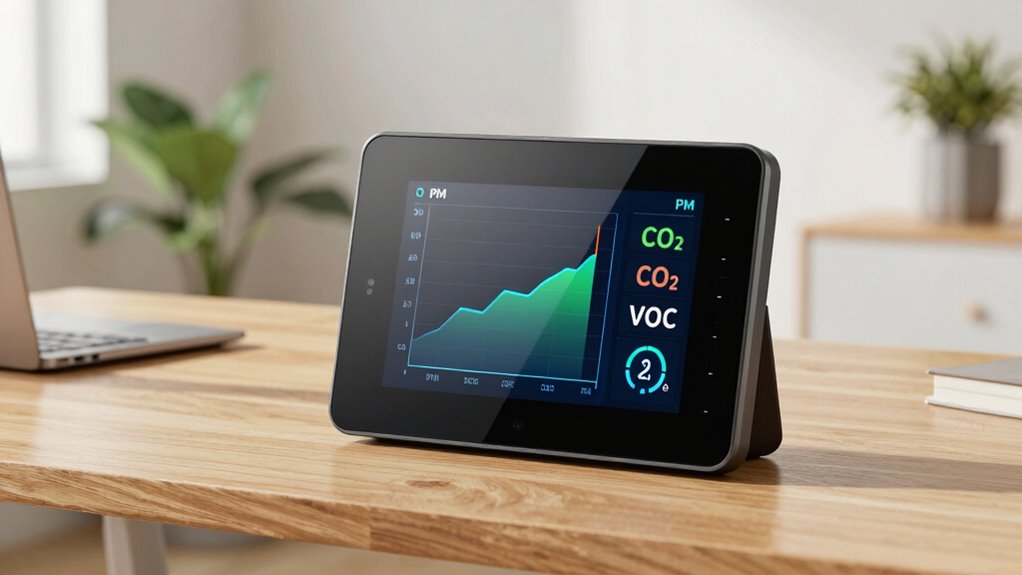

Understanding which metrics matter helps you improve your indoor air quality. Particulate Matter (PM) reveals dust and allergens; CO₂ shows ventilation levels; VOCs indicate chemical pollutants; and temperature affects comfort and air circulation. Monitoring these allows you to identify pollution sources and optimize your environment. Prioritizing these measurements depends on your health concerns and living space. Keep exploring to discover how tracking these metrics can make a difference in your indoor air quality journey.

Turn your quiet moments into listening time
- Thousands of audiobooks, podcasts and originals
- Listen on your phone, tablet or Echo — also offline
- Cancel anytime
Key Takeaways
- PM (Particulate Matter) indicates airborne particles affecting respiratory health and visibility, essential indoors and outdoors.
- CO2 levels reflect ventilation effectiveness and occupancy, crucial for maintaining indoor air freshness.
- VOCs measure volatile organic compounds from paints, cleaners, and building materials impacting indoor air quality.
- Temperature influences comfort, air circulation, and chemical reactions, affecting overall environmental conditions.
- Prioritize metrics based on your environment, health concerns, and goals for air quality improvement.

Have you ever wondered how air quality is measured and monitored? Understanding this process starts with knowing how sensors work and how the data they collect helps you make informed decisions about your environment. When it comes to accurate readings, sensor calibration is essential. Over time, sensors can drift from their original settings, causing inaccurate measurements. Regular calibration ensures that the sensors are providing precise data, which is especially important if you rely on these readings to assess your health or improve indoor air quality. Proper calibration involves comparing sensor outputs with known reference standards and adjusting them accordingly, so you can trust the data you’re seeing. Once calibrated, data logging becomes your best tool for tracking changes over time. Data logging involves continuously recording air quality metrics, allowing you to analyze trends, identify patterns, and pinpoint sources of pollution. Whether it’s a small device in your home or a professional-grade monitor, consistent data logging helps you understand fluctuations in PM levels, CO2, VOCs, and temperature. This ongoing record makes it easier to identify causes of poor air quality, such as cooking, cleaning, or outdoor pollution, and to evaluate the effectiveness of ventilation or air purification efforts.
You should also recognize that sensor calibration isn’t a one-time task; it’s an ongoing process that maintains measurement accuracy. Many devices come with built-in features or recommendations for periodic calibration, and some may even include automatic calibration modes. By staying on top of calibration, you ensure the data remains dependable, which is critical when making health-related decisions or conducting detailed environmental assessments. Data logging, on the other hand, generates a valuable archive that you can review at any time. It provides historical context, so you can see if air quality improves after certain changes or if problems persist despite efforts to control them. Most modern air monitors allow for easy data export, enabling you to analyze data in spreadsheet programs or specialized software. This process helps you identify when and why air quality dips, empowering you to take targeted actions.
Products Worth Considering

Dyson V8 Cordless Vacuum
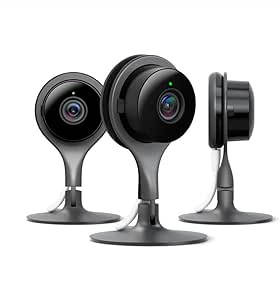
Google Nest Cam Indoor Security Camera, 3-Pack

Bose SoundLink Flex Bluetooth Speaker (2nd Gen), Portable Waterproof Speaker, Black
As an affiliate, we earn on qualifying purchases.
Frequently Asked Questions
How Often Should I Calibrate My Air Monitor?
You should calibrate your air monitor at least once every six months to guarantee sensor accuracy and reliable readings. Regular sensor maintenance, including calibration, helps prevent drift and maintains data integrity. If you notice inconsistent results or environmental changes, increase calibration frequency. Always follow the manufacturer’s recommendations for calibration intervals, and consider more frequent calibration if the monitor is used in critical or variable conditions.
Can Air Monitors Detect All Indoor Pollutants?
Think of your air monitor like a detective, but it can’t catch every suspect. It mainly detects common indoor pollutants like PM, CO2, and VOCs, but it might overlook smaller or less common pollutants from indoor sources or those hidden behind walls. Air filter effectiveness also affects detection, so guarantee filters are maintained. For complete safety, combine monitor data with good ventilation and regular cleaning to tackle all indoor pollutants.
What Is the Ideal Air Quality Level for Comfort?
The ideal indoor air quality level for comfort is maintaining balanced indoor humidity around 40-60%, which prevents dryness or excess moisture. You should also aim to meet air quality standards set by health organizations, ensuring low levels of pollutants like PM, VOC, and CO2. Keeping these metrics in check helps create a comfortable, healthy environment where you can breathe easily and avoid issues like mold or respiratory irritation.
Are Portable Air Monitors Accurate Enough for Professional Use?
Portable air monitors can be accurate enough for professional use if they have properly calibrated sensors and high device reliability. You should check if the device undergoes regular sensor calibration, ensuring consistent readings. While some models offer professional-grade accuracy, others may be more suited for personal use. Always verify the specifications and calibration history to guarantee you’re relying on a device that provides trustworthy data for your needs.
How Do Weather Conditions Affect Air Quality Readings?
Weather conditions can considerably impact your air quality readings. High humidity impacts sensor accuracy, often causing false readings or skewed data, so be cautious when interpreting measurements during damp weather. Wind influence can either disperse pollutants, lowering readings, or bring in new pollutants, raising them unexpectedly. Keep in mind, understanding these weather effects helps you better assess your air quality and make informed decisions about indoor and outdoor environments.
Conclusion
Understanding which air quality metrics matter helps you make smarter choices for your health. While PM and CO2 often get the most attention, recent studies suggest VOC levels might be equally important, especially indoors. Don’t assume all monitors are equal—some may overlook key pollutants. By staying informed and choosing a monitor that tracks the right metrics, you can better protect yourself and your loved ones. After all, the truth is, a clearer air quality picture leads to healthier living.