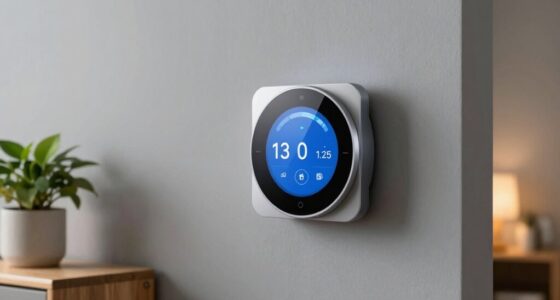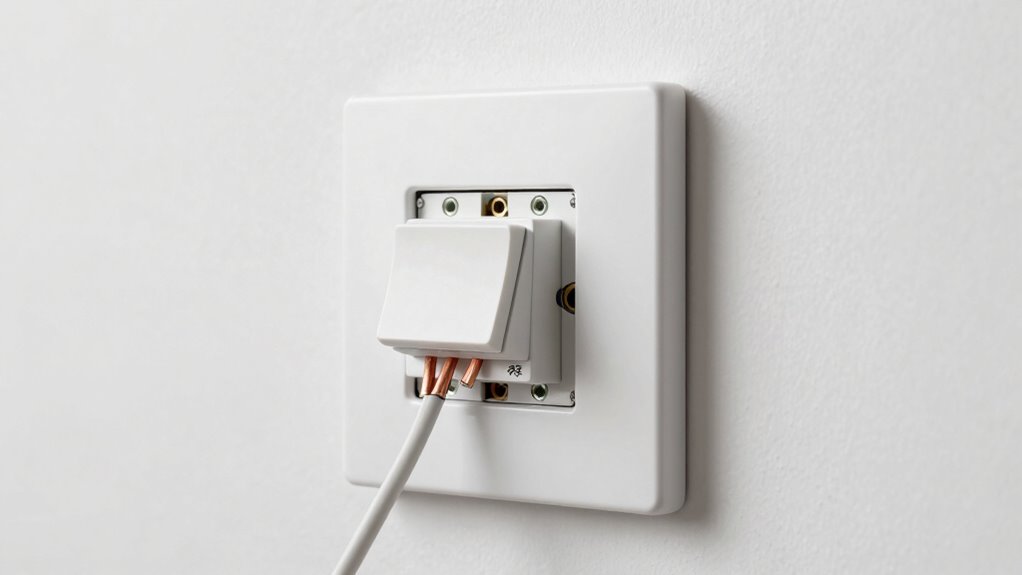

A neutral wire provides a return path for electrical current, which is essential for many smart dimmers to work properly. If your home wiring lacks a neutral wire, some smart dimmers may not be compatible, or you might need specific models designed for that setup. Knowing whether your wiring includes a neutral wire can save you time and frustration during installation. Keep exploring to discover how to identify your wiring and choose the right smart dimmer for your needs.

Turn your quiet moments into listening time
- Thousands of audiobooks, podcasts and originals
- Listen on your phone, tablet or Echo — also offline
- Cancel anytime
Key Takeaways
- Many smart dimmers require a neutral wire for proper operation, unlike traditional switches that often do not need one.
- The neutral wire provides a return path for electrical current, essential for some smart device functions.
- Checking home wiring for a neutral wire is crucial before purchasing a smart dimmer to ensure compatibility.
- Absence of a neutral wire may limit smart dimmer options or necessitate specialized models.
- Understanding your home’s wiring standards helps in selecting and installing the right smart dimmer effectively.
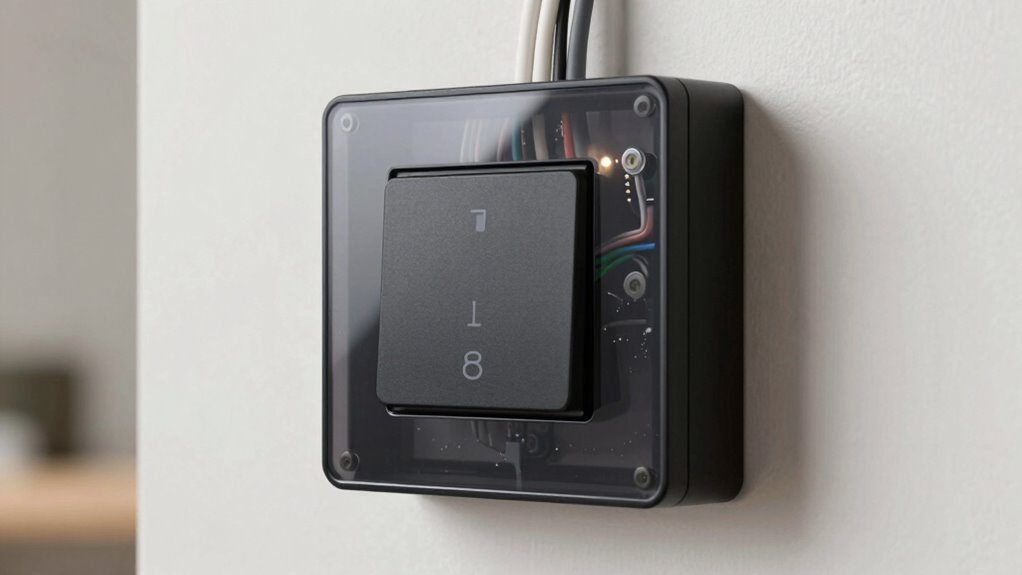
Have you ever wished you could effortlessly adjust your home lighting to set the perfect mood? Smart dimmers make that possible by allowing you to control your lights with just your voice or a tap on your smartphone. But if you’re new to smart lighting, you might have heard about compatibility issues, especially regarding the need for a neutral wire. Understanding what a neutral wire is and how it impacts smart dimmer installation can save you time and frustration.
Most traditional switches don’t require a neutral wire, but many smart dimmers do. The neutral wire provides a return path for electrical current, which is essential for some smart devices to function correctly. If your home’s wiring doesn’t have a neutral wire at the switch box, you might find that certain smart dimmers won’t work, or you’ll need to choose a model specifically designed for homes without neutral wires. Checking your wiring before purchasing a smart dimmer is vital to guarantee compatibility and smooth installation.
Most traditional switches don’t need a neutral wire, but many smart dimmers do for proper operation.
Voice control is one of the biggest advantages of smart dimmers. You can simply say, “Dim the living room lights,” and watch as your smart device responds instantly. However, compatibility issues can sometimes arise, especially if your voice assistant isn’t compatible with your chosen dimmer. For example, some dimmers work seamlessly with Amazon Alexa but may have limited functionality with Google Assistant or Apple HomeKit. Before making a purchase, verify that your voice control system integrates well with the specific smart dimmer you’re considering. This way, you won’t face surprises when you try to set up voice commands.
Another aspect to ponder is the dimmer’s compatibility with your existing bulbs. Not all LED or smart bulbs are suitable for dimming, and incompatibility can lead to flickering or inconsistent performance. Pairing a smart dimmer that’s compatible with your bulbs ensures smooth operation and preserves the longevity of your lighting. Also, some smart dimmers offer advanced features like scene setting or scheduling, but these depend on the system’s compatibility with your smart home ecosystem**. Understanding your electrical wiring and its requirements can further streamline your setup process. Additionally, knowing whether your home has a neutral wire available can influence your choice of smart dimmer and simplify the installation process. Recognizing the importance of home wiring standards** can help you make more informed decisions during installation.
Products Worth Considering

Philips Hue Smart LED Candle Bulbs, B39, E12, 2-Pack

Hisense 85 U7 Mini-LED ULED 4K UHD Smart Google TV (85U7SG, 2026)

LG 85-Inch QNED73B Mini LED 4K Smart TV (2026)
As an affiliate, we earn on qualifying purchases.
Frequently Asked Questions
Can Smart Dimmers Work Without a Neutral Wire in All Homes?
Smart dimmers can work without a neutral wire in some homes, but not all. You might face installation challenges because many models rely on neutral wires for power, affecting wireless compatibility. Check your wiring before buying, and consider alternatives like dimmers specifically designed for no-neutral setups. If your home lacks neutral wiring, choose a dimmer compatible with your wiring and smart home system to guarantee smooth operation.
Are Neutral Wire Requirements the Same for LED and Incandescent Bulbs?
Imagine a dance floor where bulbs twirl—LEDs need a specific rhythm, while incandescent bulbs dance more freely. Neutral wire requirements differ: LEDs often need neutral wire alternatives for proper dimmer compatibility, making installation trickier. Incandescent bulbs are more adaptable, usually compatible without a neutral wire. So, if you’re choosing a dimmer, check compatibility for your bulb type, ensuring smooth performance and avoiding flickering or dimming issues.
How Do I Identify if My Home Has a Neutral Wire Available?
To identify if your home has a neutral wire available, start with neutral wire identification through your switch box. Home wiring basics suggest looking for a white wire connected to the bundle or terminal, which typically indicates a neutral. Turn off power first, then carefully check for a white wire in the switch box. If unsure, consult an electrician to guarantee accurate neutral wire identification and safe installation.
Does Installing a Neutral Wire Require a Professional Electrician?
Installing a neutral wire generally requires a professional electrician because wiring safety is vital, and electrical codes must be followed. A licensed electrician knows how to handle the wiring safely and guarantee the installation complies with local regulations. Attempting it yourself could lead to hazards or code violations. So, for your safety and proper setup, it’s best to hire a professional to install the neutral wire correctly and safely.
Can Smart Dimmers Function With Existing Dimmer Switches?
Like a key opening a door, smart dimmers can often work with existing dimmer switches, but only if you check their compatibility first. You’ll need to evaluate dimmer compatibility and installation considerations, such as whether your current switch is compatible and if your wiring setup supports smart features. Sometimes, a simple swap suffices, but in other cases, upgrades or professional help may be needed to guarantee smooth operation.
Conclusion
Now that you’ve uncovered the secrets of neutral wires, you’re like a modern-day architect, confidently shaping the ambiance of your home. With your new knowledge, installing smart dimmers becomes as smooth as a gentle breeze, transforming your space into a sanctuary of comfort and control. Just as a painter chooses their colors wisely, you now wield the power to craft lighting that reflects your mood and style—illuminating your life, one switch at a time.