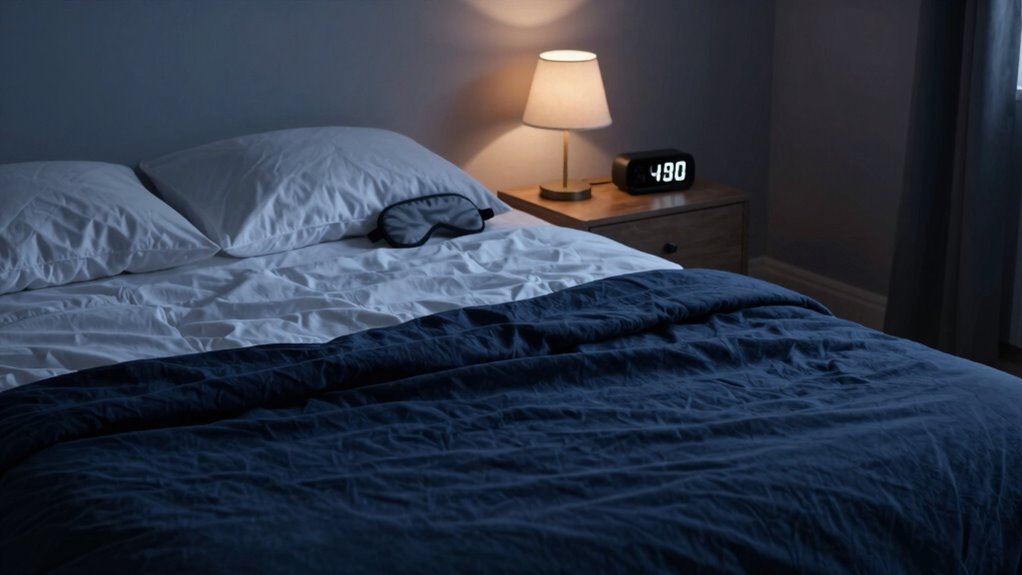

To protect your sleep window while working shifts, stick to a consistent schedule by going to bed and waking up at the same times, even on days off. Create a sleep-friendly environment with blackout curtains, a cool, quiet space, and relaxing routines before bed. Manage light exposure by wearing sunglasses on your way home and seeking bright light during wake times. Following these practices helps align your body’s clock with your work hours—discover more ways to improve your sleep success.

Turn your quiet moments into listening time
- Thousands of audiobooks, podcasts and originals
- Listen on your phone, tablet or Echo — also offline
- Cancel anytime
Key Takeaways
- Maintain a consistent sleep schedule, going to bed and waking up at the same times, even on days off.
- Create a sleep-friendly environment with blackout curtains, cool temperatures, and minimal noise.
- Limit naps before shifts to 20-30 minutes in a dark, quiet space to boost alertness.
- Use bright light exposure during wake periods and minimize light exposure before sleep to reset your circadian rhythm.
- Establish relaxing pre-sleep routines and avoid caffeine or heavy meals close to your sleep window.
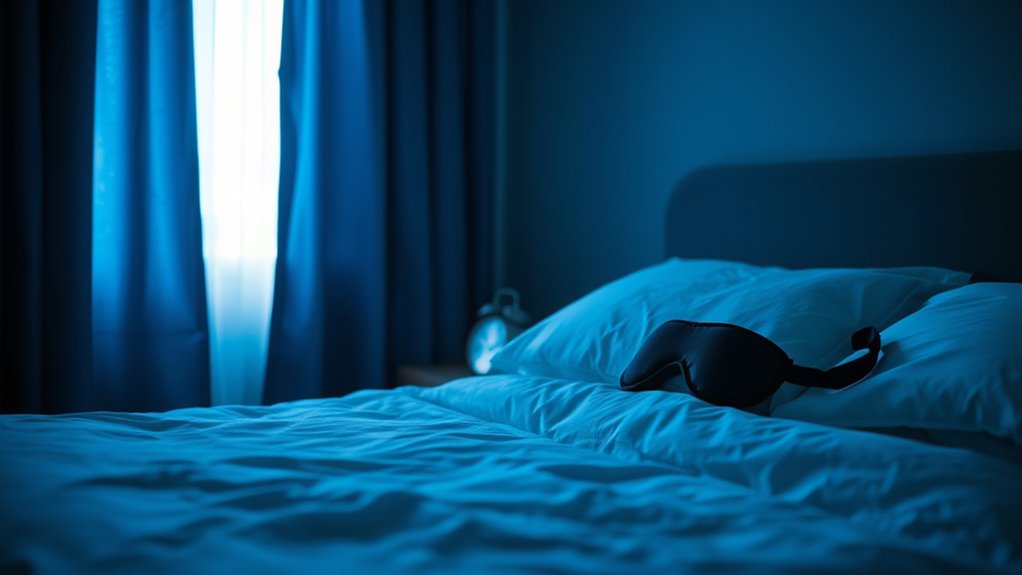
If you work irregular hours or night shifts, understanding the basics of shift work sleep is essential for maintaining your health and alertness. Your body operates on a natural internal clock called circadian rhythms, which regulate sleep-wake cycles over a roughly 24-hour period. When your work schedule conflicts with these rhythms, you may find it hard to fall asleep, stay asleep, or wake up feeling refreshed. To combat this, prioritizing good sleep hygiene becomes vital. Sleep hygiene involves habits and environmental factors that promote quality rest, especially when your schedule disrupts your natural sleep patterns.
First, recognize that your circadian rhythms are most receptive to sleep during specific windows, typically during the late night and early morning hours. When you work nights, your body still expects to be awake during the day and asleep at night, causing misalignment. To minimize this disruption, you should establish a consistent sleep schedule, even on days off. Going to bed and waking up at the same times helps reinforce your body’s internal clock, making it easier to fall asleep during your designated sleep window. Use blackout curtains and eye masks to block out daylight, signaling to your brain that it’s time to sleep. Keeping your room cool and quiet further enhances sleep quality, supporting your sleep hygiene efforts.
Additionally, creating a pre-sleep routine can help signal to your body that it’s time to wind down. This might include dimming the lights, avoiding screens for at least an hour before bed, and engaging in relaxing activities such as reading or gentle stretches. Avoid caffeine and heavy meals close to your sleep window, as these can interfere with your ability to fall asleep. If you need to nap before your shift, limit naps to about 20-30 minutes, and do so in a dark, quiet environment to prevent grogginess and improve alertness during your work hours.
It’s also important to expose yourself to bright light during your wake period, especially when you’re coming off a night shift. Light exposure helps reset your circadian rhythms, making it easier to stay alert while working and to sleep afterward. Conversely, wearing sunglasses on your way home from work can help minimize light exposure and support your sleep window. Staying consistent with these habits reinforces your sleep hygiene and aligns your circadian rhythms more closely with your work schedule, reducing fatigue and promoting better overall health. Remember, protecting your sleep window isn’t just about catching enough hours — it’s about syncing with your body’s natural rhythms and creating a routine that supports restorative rest. Being aware of circadian rhythms and how they influence sleep is key to making meaningful adjustments to your sleep habits.
As an affiliate, we earn on qualifying purchases.
Frequently Asked Questions
How Does Shift Work Affect Long-Term Health Risks?
Shift work can considerably increase your long-term health risks by causing circadian disruption, which throws off your internal clock. This disruption often leads to chronic fatigue, weakening your immune system and raising your chances of heart disease, diabetes, and mental health issues. To protect yourself, prioritize sleep, stick to consistent routines, and make your sleep environment as comfortable as possible, helping your body adapt and reduce these risks.
What Are the Best Dietary Tips for Shift Workers?
Fuel your focus with fantastic food choices by timing your meals wisely and staying hydrated. Prioritize proper meal timing—eat lighter before night shifts and plan balanced meals for energy sustenance. Hydration strategies, like drinking water regularly, prevent fatigue and dehydration. Snack smart with protein-packed options, and avoid caffeine and heavy foods that disrupt digestion. By blending thoughtful meal timing with consistent hydration, you’ll boost your energy and protect your health during demanding shift hours.
How Can I Manage Sleep During Rotating Shifts?
To manage sleep during rotating shifts, prioritize good sleep hygiene by creating a dark, quiet, and cool sleep environment. Use nap strategies like short 20-minute power naps before your shift or during breaks to boost alertness. Consistency is key, so try to stick to a sleep schedule even on days off. Avoid caffeine and screens close to bedtime, and consider blackout curtains to help your body recognize sleep time.
Are There Specific Exercises to Improve Sleep Quality?
Picture yourself sinking into a peaceful lake at dusk, your body gently unwinding. To improve sleep quality, practice relaxation techniques like deep breathing or progressive muscle relaxation before bed. Combine this with optimizing your sleep environment—dim the lights, eliminate noise, and keep your room cool. Regular gentle exercises, such as stretching or yoga, can also help relax your muscles and mind, making it easier to drift into restful sleep.
What Are the Signs of Shift Work Sleep Disorder?
You might notice signs of shift work sleep disorder like excessive sleepiness during your awake hours, trouble falling asleep or staying asleep, and feeling unrefreshed after sleep. Practicing good sleep hygiene, such as maintaining a consistent sleep schedule and creating a dark, quiet environment, helps. Managing caffeine intake, especially avoiding it before sleep, can also improve your sleep quality and reduce disorder symptoms.
As an affiliate, we earn on qualifying purchases.
Conclusion
To protect your sleep window, prioritize consistency, create a dark and quiet environment, and stick to a relaxing bedtime routine. Embrace these habits to reinforce your body’s natural rhythm, to improve your rest, and to boost your alertness. Commit to your sleep schedule, commit to your well-being, and commit to feeling your best. With these simple steps, you’ll support your health, strengthen your resilience, and find balance in your busy, shift-work life.
As an affiliate, we earn on qualifying purchases.
As an affiliate, we earn on qualifying purchases.
Halloween Picks
halloween
As an affiliate, we earn on qualifying purchases.