
Washing your sheets once a month isn’t enough to keep your sleeping space safe and hygienic. Bedding can hide germs, allergens, and bacteria that cause odors, skin issues, and allergic reactions. Experts recommend washing sheets weekly or more if you sweat heavily, have allergies, or pets share your bed. Regular laundry helps reduce germs, dust mites, and dirt, creating a cleaner, healthier environment. Keep going to discover how more frequent washing benefits your overall health and comfort.
Key Takeaways
- Washing sheets weekly removes accumulated dirt, sweat, oils, and allergens, reducing skin issues and respiratory irritation.
- Once a month allows dust mites, bacteria, and mold to build up, increasing allergy and infection risks.
- Regular cleaning helps prevent odors caused by bacteria and fungi growth in bedding.
- Frequent washing supports overall sleep hygiene and promotes a fresher, healthier sleeping environment.
- Inadequate cleaning frequency can exacerbate allergies, asthma, and skin sensitivities over time.

Poesie Laundry Detergent Sheets Fresh Linen Scent 160 Sheets 80 Large Loads Plastic Free Fast Dissolve Washing for All Washing Machine Traveling Dorm Life Save Space
Convenient Laundry Solution – These are 160 pre-treated laundry soap sheets made with recycled materials and a lighter…
As an affiliate, we earn on qualifying purchases.
As an affiliate, we earn on qualifying purchases.
The Hidden Dangers Lurking in Your Bedding

Even if you don’t see visible dirt or stains, your bedding can harbor harmful germs, allergens, and bacteria. Dust mites thrive in warm, humid environments like your sheets, feeding on dead skin cells. These microscopic pests can trigger allergies, asthma, and skin irritations. Bacteria like staphylococcus and streptococcus can accumulate over time, increasing the risk of infections and skin issues. Sweat, oils, and body oils create a breeding ground for bacteria and fungi, which can cause unpleasant odors and skin problems. Additionally, pet dander and pollen often settle into bedding, worsening allergy symptoms. Even if you’re diligent with other cleaning routines, neglecting regular sheet washing allows these unseen threats to build up, potentially impacting your health and comfort in ways you might not realize.

SONORO KATE Bed Sheet Set Super Soft Microfiber 1800 Thread Count Luxury Egyptian Sheets 16-Inch Deep Pocket Wrinkle and Hypoallergenic-4 Piece(Queen Dark Grey)
EXCEPTIONAL QUALITY: Say goodbye to wrinkles, and tedious tasks like ironing, and hello to cozy, soft, and comfortable…
As an affiliate, we earn on qualifying purchases.
As an affiliate, we earn on qualifying purchases.
How Often Should You Really Wash Your Sheets?
Most experts recommend washing your sheets once a week to keep harmful germs, allergens, and odors at bay. This routine helps prevent the buildup of sweat, skin cells, and bacteria that can cause skin irritation or respiratory issues. If you have allergies, asthma, or sensitive skin, more frequent washing—perhaps twice a week—is even better. People who sweat heavily or tend to get dirty due to outdoor activities should also consider washing sheets more often. On the other hand, if you rarely get into bed or are sick, you might stretch it to every ten days, but generally, sticking to weekly washes keeps your bedding fresh and healthy. Regular cleaning guarantees a cleaner sleeping environment and supports better overall hygiene. Additionally, understanding projector screen setup can help create a comfortable environment that complements your clean sheets for an optimal relaxation area. Moreover, staying informed about sector performance metrics can be beneficial if you’re managing multiple aspects of your home or lifestyle, ensuring everything functions efficiently and effectively. Paying attention to passive voice detection can further help you improve your writing clarity and engagement. Proper risk management strategies for maintaining your home environment can further enhance your comfort and safety.
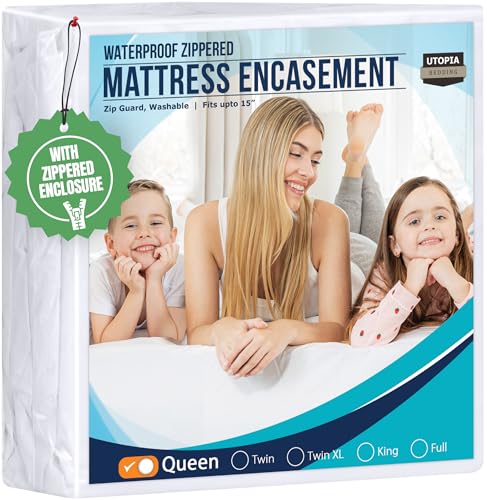
Utopia Bedding Mattress Protector Zippered Queen Size, 100% Waterproof Bed Bug and Dust Mite Proof Mattress Encasement, Absorbent 6 Sided Mattress Cover
360° Coverage Protection – Fits 60 inches by 80 inches queen size mattress up to 15 inches deep,…
As an affiliate, we earn on qualifying purchases.
As an affiliate, we earn on qualifying purchases.
Factors That Influence Cleaning Frequency
Several factors can influence how often you should wash your sheets, making it important to tailor your routine to your lifestyle and health needs. For example, if you have allergies or asthma, washing sheets weekly helps reduce dust mites and allergens. If you sweat heavily at night, more frequent washing is recommended to prevent bacteria buildup. Your personal habits also matter; if you eat in bed or have pets that sleep with you, cleaning sheets more often keeps bacteria and pet dander at bay. Additionally, your overall health plays a role—those with weakened immune systems should prioritize more frequent washes. Lifestyle factors like hot climates or high humidity can increase sweating and bacteria growth, requiring more frequent cleaning. Proper hygiene practices are essential for maintaining a healthy sleep environment, especially if you are influenced by factors such as your ethnicity or medical conditions. Adjust your schedule accordingly to maintain a healthy, comfortable sleep environment.

LANE LINEN Eco Friendly 100% Organic Cotton Queen Sheet Set, Soft & Comfy Fully Elasticized 15" Deep Pocket Bed Sheets, Low Pill Naturally Cooling Machine Wash Sábanas Queen- White Bed Sheets
Pure Organic Comfort: Experience the luxurious comfort of our Lane Linen cotton sheets queen size set, meticulously crafted…
As an affiliate, we earn on qualifying purchases.
As an affiliate, we earn on qualifying purchases.
Tips for Maintaining a Cleaner Sleep Environment
To maintain a cleaner sleep environment, start by establishing a regular laundry routine that suits your lifestyle and needs. Consistency reduces dust buildup and limits allergen accumulation. Keep your bedroom well-ventilated to reduce humidity and prevent mold. Use washable pillow covers and mattress protectors to block dust mites. Regularly declutter your space to minimize dust and allergens. Consider dusting and vacuuming your room weekly, especially around bedding and upholstery. Wash your bedding at least once a week to keep allergens at bay. Keep pets out of the bedroom if possible, or groom them regularly. Use hypoallergenic bedding if allergies are a concern. Incorporating vintage-inspired air purifiers can also enhance air quality and add a retro touch to your space. Additionally, choosing air filtration systems with HEPA filters can further improve indoor air quality and reduce airborne allergens. For optimal results, consider the benefits of an electric dirt bike to reduce reliance on fossil fuels and promote eco-friendly transportation within your home or community. These habits help create a fresher, healthier sleep environment, promoting better rest and overall well-being.
The Benefits of More Frequent Sheet Washing
Washing your sheets more frequently can substantially improve your sleep environment and overall health. When you wash sheets regularly, you remove dirt, sweat, oils, and allergens that accumulate over time. This reduces skin irritation, prevents breakouts, and minimizes exposure to dust mites and bacteria. Cleaner sheets can also help you breathe easier, especially if you suffer from allergies or asthma. Plus, fresh sheets create a more inviting and comfortable space, making it easier to relax and fall asleep. Frequent washing can boost your mood and promote better rest by eliminating odors and creating a hygienic environment. Overall, staying on top of sheet hygiene helps you wake up feeling more refreshed and reduces health risks associated with prolonged exposure to accumulated grime.
Frequently Asked Questions
Can Washing Sheets Too Often Damage the Fabric?
Washing sheets too often can slightly weaken the fabric over time, especially if you use harsh detergents or high heat. However, the health benefits of clean sheets outweigh this risk. To protect your sheets, opt for gentle cycles, cold or warm water, and avoid over-drying. Regular washing keeps allergens and bacteria at bay, so prioritize cleanliness while being mindful of the fabric’s longevity.
What Detergents Are Best for Deep Cleaning Bedding?
You should choose a detergent with enzyme-based cleaning agents or those labeled for deep cleaning. Look for options free of dyes and fragrances if you have sensitive skin. Use hot water when possible to break down oils and dirt effectively. Pre-treat stains before washing, and consider adding a cup of white vinegar or baking soda to boost cleaning power. These steps guarantee your bedding gets thoroughly cleaned and fresh.
How Do Allergies Influence Sheet Washing Frequency?
Allergies make you realize how vital frequent sheet washing is. Dust mites, pet dander, and pollen hide in your bedding, triggering reactions if you don’t wash sheets at least weekly. Skipping this can worsen allergy symptoms, leading to sneezing, congestion, or worse. So, you should wash your sheets more often—ideally every 3-4 days—especially if you suffer from allergies. Regular cleaning keeps your sleeping environment safe and allergy-free.
Are There Eco-Friendly Ways to Keep Sheets Cleaner Longer?
Yes, you can keep sheets cleaner longer with eco-friendly methods. Use natural hypoallergenic detergents that are free from harsh chemicals, and wash sheets in cooler water to save energy. Regularly air out your bedding and sun-dry them when possible, as sunlight naturally disinfects. Incorporate eco-friendly mattress and pillow protectors, and vacuum your mattress regularly to reduce dirt and allergens, helping your sheets stay fresher for longer.
Does Washing Sheets in Hot Water Eliminate All Germs?
Washing sheets in hot water does a great job of reducing germs, but it might not eliminate every last tiny invader. Think of hot water as your first line of defense in a gentle but effective battle. It loosens and washes away most bacteria and viruses, especially when combined with a good detergent. For extra peace of mind, consider adding a disinfectant or using higher temperatures occasionally.
Conclusion
While washing your sheets once a month might seem enough, it’s like leaving dirty laundry in the closet—eventually, it piles up and causes more harm than you realize. Regular cleaning keeps allergens, dust mites, and bacteria at bay, ensuring a healthier sleep environment. Don’t settle for “good enough” when your comfort and well-being deserve better. By washing more often, you’re not just maintaining cleanliness—you’re actively protecting your health every night.