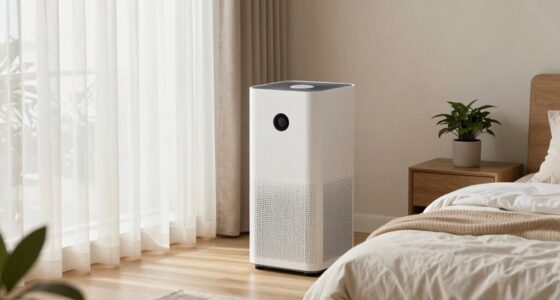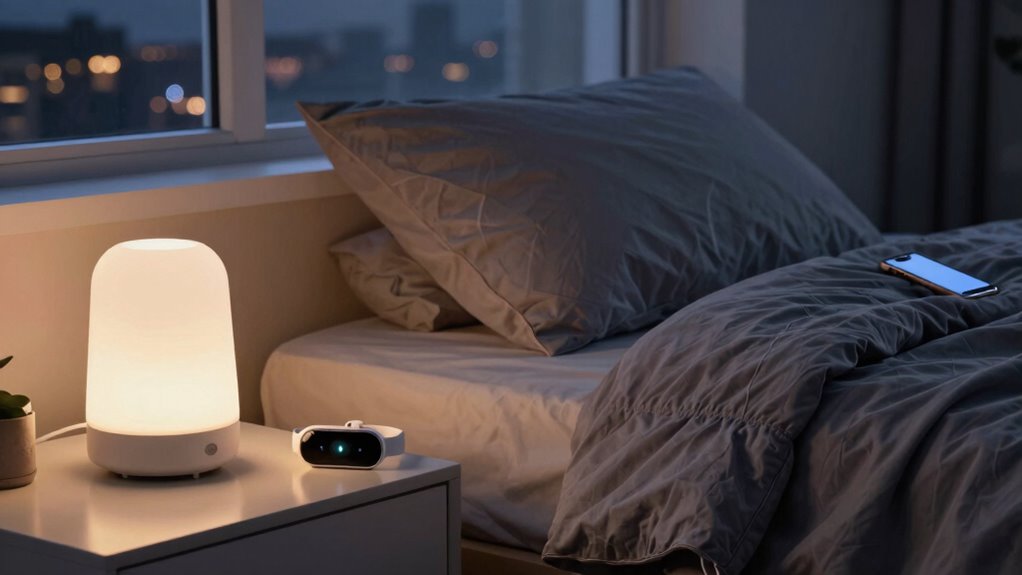

Using sleep tech wisely can help you get better rest by tracking your patterns, optimizing wake times, and promoting relaxation. Devices like sleep trackers and smart alarms are most effective when you focus on their benefits and avoid obsessing over every detail. However, constant checking or bright screens late at night can increase anxiety and disrupt your sleep. To truly improve, combine these tools with healthy habits, and keep exploring how to make tech work for you.

Get books, candles and calm essentials delivered free — and shop member deals
- Fast, free delivery on millions of items
- Access to Prime Big Deal Days deals on October 6–7
- Prime Video, Amazon Music and more included
Key Takeaways
- Sleep tracking devices provide valuable insights but should be used without obsessing to prevent anxiety.
- Smart alarms that analyze sleep cycles help wake users gently, improving morning alertness.
- Avoid excessive screen time and blue light exposure before bed to prevent melatonin disruption.
- Use sleep tech primarily as an aid, complemented by healthy habits like stress management and proper sleep environment.
- Over-focusing on minor disturbances or data inaccuracies can distract and hinder overall sleep quality.
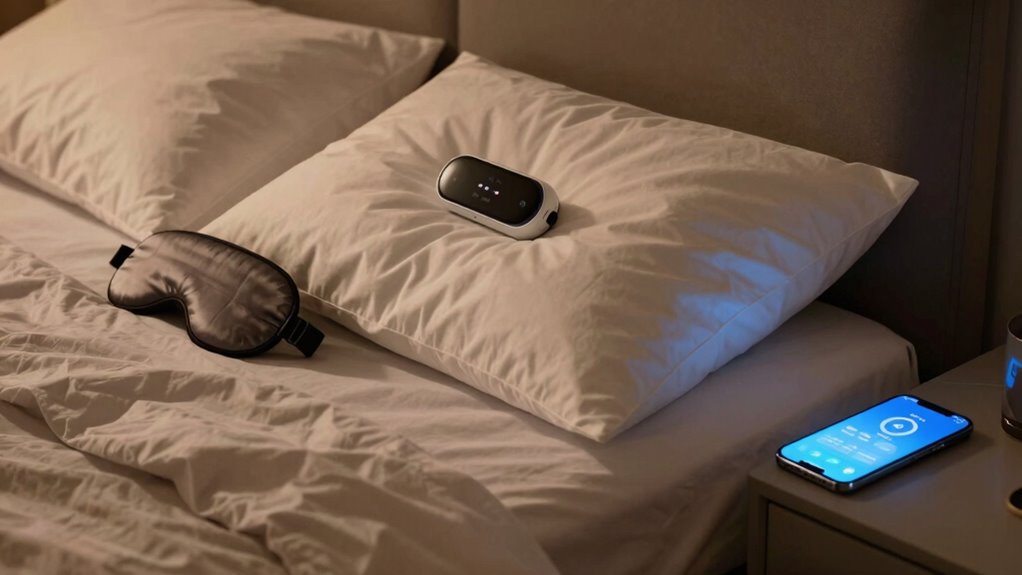
Sleep technology has rapidly transformed the way we comprehend and improve our rest. Today, you have access to devices that can monitor your sleep patterns, giving you detailed insights into how well you’re sleeping and where you might need to make adjustments. Sleep tracking devices, whether worn on your wrist or placed on your mattress, collect data on your sleep duration, cycles, and even disturbances. This information helps you identify patterns, such as how caffeine or stress affects your sleep or whether you’re getting enough restorative deep sleep. With this knowledge, you can tailor your bedtime routines for better rest.
Sleep tracking devices provide valuable insights to help optimize your bedtime routines and improve rest quality.
A smart alarm is another game-changer in sleep tech. Unlike traditional alarms that jolt you awake at a set time, a smart alarm analyzes your sleep cycles and wakes you during the lightest sleep phase within a predetermined window. This gentle approach leaves you feeling more refreshed and less groggy, making mornings less of a struggle. By syncing your sleep tracking and smart alarm, you can optimize your wake-up time, ensuring you’re alert and ready to start your day without feeling drained.
However, not all sleep tech helps. Some devices or apps can become distractions rather than aids. Constantly checking your sleep data or obsessing over every minor disturbance can heighten anxiety about your sleep quality, ironically making it harder to fall asleep or stay asleep. Similarly, overly bright screens from smartphones or tablets near bedtime emit blue light, which interferes with your natural melatonin production. This can extend the time it takes to fall asleep and diminish sleep quality overall. Even if your device is meant to help, if you’re glued to your phone for hours before bed, it defeats the purpose.
Furthermore, some sleep apps or devices may give inaccurate data, leading you to make unnecessary changes or become frustrated. Relying too heavily on technology without considering your overall lifestyle—like stress levels, diet, and exercise—can limit the effectiveness of sleep tech. It’s essential to view these tools as aids, not sole solutions, and to cultivate healthy habits alongside their use. Recognizing the importance of evidence-based approaches can enhance your understanding of how sleep works and improve your results. Incorporating biodiversity in maintaining healthy ecosystems can remind us how interconnected our health truly is, including the quality of our sleep. Recognizing the role of holistic health approaches can further enhance sleep quality by addressing underlying factors beyond just technology.
In the end, sleep tech can be incredibly helpful when used wisely. Focus on devices that promote relaxation, monitor your sleep objectively, and wake you gently. Avoid distractions like screens and obsessive checking, and remember that technology is just one piece of the puzzle. Your best sleep comes from a combination of good habits, a comfortable environment, and smart use of these innovative tools.
As an affiliate, we earn on qualifying purchases.
Frequently Asked Questions
How Do I Choose the Best Sleep Tech for My Needs?
To choose the best sleep tech for your needs, start by evaluating your sleep environment and bedtime routines. Look for devices that complement your habits, like sleep trackers that monitor your sleep quality without disrupting your routine. Avoid tech with distracting features, and prioritize user-friendly options. Read reviews and consider consulting a healthcare professional to guarantee the tech aligns with your sleep goals, helping you create a restful, distraction-free sleep environment.
Can Sleep Tech Improve Sleep Quality Long-Term?
Yes, sleep tech can improve your sleep quality over the long-term. Devices that track your sleep environment and analyze dreams help you identify patterns and disruptions. By adjusting your sleep environment—like optimizing room temperature or reducing noise—and understanding your dream analysis, you can develop better habits. Consistent use of sleep tech supports healthier sleep routines, leading to deeper, more restorative sleep and improved overall well-being.
Are There Any Risks Associated With Sleep Tracking Devices?
Yes, there are risks with sleep tracking devices. You might face privacy concerns if your data isn’t protected properly, and data security can be compromised if companies don’t safeguard your information. It’s essential you read privacy policies and choose reputable brands. Be aware that some devices could inadvertently share sensitive info, so staying cautious helps you enjoy the benefits without exposing yourself to unnecessary risks.
How Accurate Are Sleep Monitors Compared to Clinical Assessments?
Sleep monitors generally offer decent sleep accuracy for tracking overall sleep patterns, but their device reliability varies. While they can identify trends like sleep duration and disturbances, they may not match the precision of clinical assessments, such as polysomnography. You should view sleep monitor data as helpful for general insights rather than definitive diagnoses. For precise results, consulting a sleep specialist remains the best approach.
What Features Should I Look for in a Sleep Aid App?
Think of a sleep aid app as your personal lullaby, guiding you to restful nights. Look for features like accurate sleep tracking to understand your patterns and gentle reminders to establish consistent bedtime routines. A good app offers soothing sounds, relaxation techniques, and customizable alarms. These tools help you wind down, making sleep come naturally. Prioritize user-friendly interfaces and data insights to turn your nights into peaceful, restorative journeys.
As an affiliate, we earn on qualifying purchases.
Conclusion
In the world of sleep tech, you hold the steering wheel—choosing tools that guide you toward restful nights and steering clear of distractions that toss you off course. Think of these devices as your sleep compass, pointing you in the right direction. With mindful choices, you can turn your bedroom into a peaceful harbor, where restful sleep is the lighthouse guiding you home. Embrace the right tech, and let your dreams set sail smoothly.
As an affiliate, we earn on qualifying purchases.
As an affiliate, we earn on qualifying purchases.
Halloween Picks
halloween
As an affiliate, we earn on qualifying purchases.