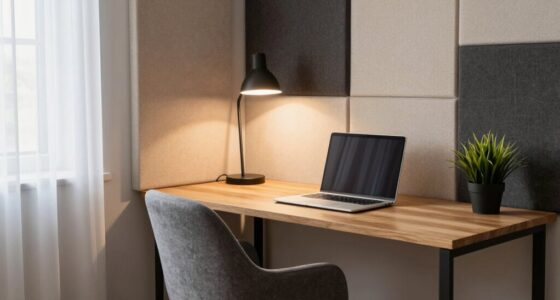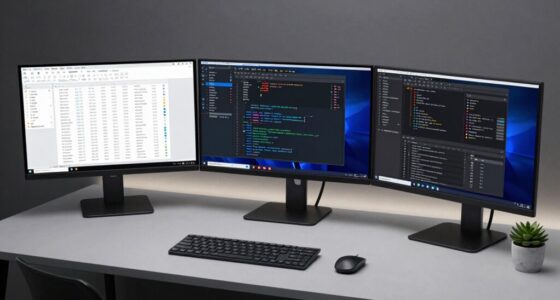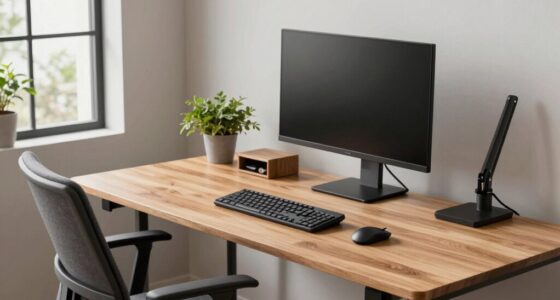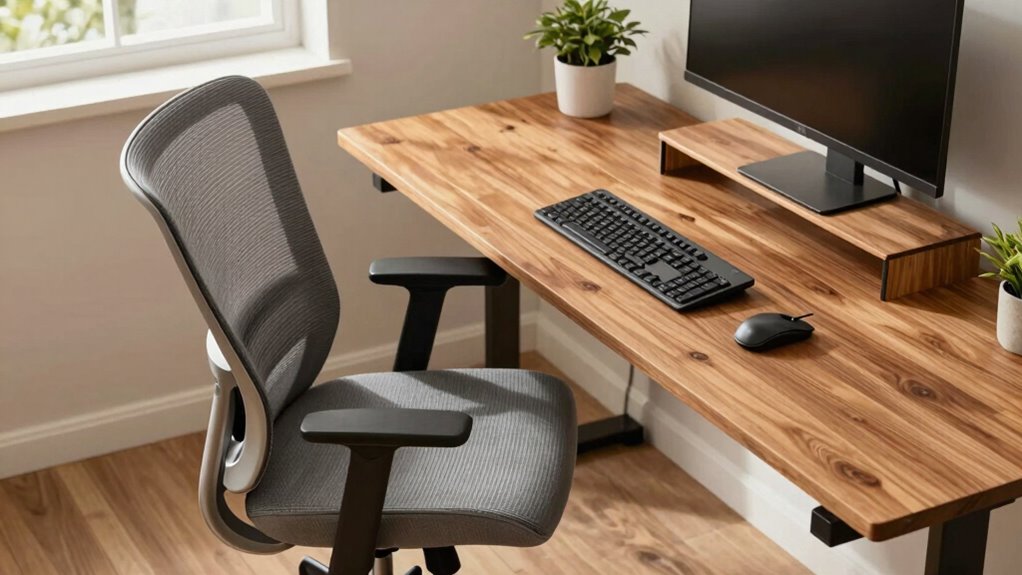
Ergonomics matter in your home office because they help you stay comfortable, prevent pain, and avoid long-term health issues. By setting up your workspace properly—like adjusting your chair, monitor, and desk—you reduce strain on your neck, back, and wrists. Good lighting and screen positioning also make a big difference. Prioritizing ergonomic habits avoids discomfort and boosts productivity. Keep exploring how these simple changes can transform your work experience and support your well-being.

Get books, candles and calm essentials delivered free — and shop member deals
- Fast, free delivery on millions of items
- Access to Prime Big Deal Days deals on October 6–7
- Prime Video, Amazon Music and more included
Key Takeaways
- Proper ergonomics prevent long-term musculoskeletal issues and reduce discomfort during extended work sessions.
- An ergonomic setup promotes better posture, decreasing neck, back, and shoulder strain.
- Using ergonomic accessories enhances support, comfort, and reduces the risk of repetitive strain injuries.
- Correct lighting and monitor positioning minimize eye strain and improve visual comfort.
- Investing in ergonomic design boosts productivity and fosters a healthier, sustainable home office environment.
The Impact of Ergonomics on Long-Term Health
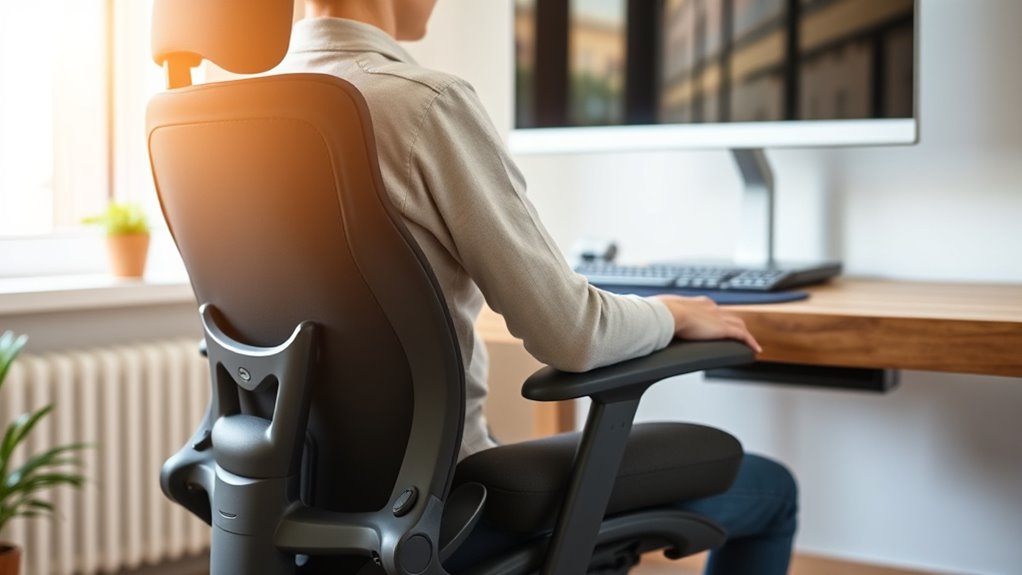
Since many people spend hours working at their home desks, poor ergonomics can lead to long-term health issues. When your workspace isn’t set up properly, you risk developing chronic pain, joint issues, and muscular strain over time. Poor posture and uncomfortable positioning force your muscles and joints to work harder, which can cause misalignments and repetitive strain injuries. These issues often develop gradually, making them difficult to notice early on. Over months or years, they can lead to persistent discomfort, reduced mobility, and decreased productivity. Prioritizing ergonomic design helps prevent these problems by promoting proper alignment and reducing stress on your body. Incorporating ergonomic tools and connected fitness technology into your workspace can help monitor and improve your posture in real-time. Additionally, integrating smart home automation can optimize your environment for comfort and health. Using adaptive seating and other adjustable furniture options can further enhance your comfort and support proper posture. Investing in a good setup today safeguards your health and comfort for years to come by aligning your workspace with home energy principles that promote overall well-being.
Common Posture Problems in Home Workspaces
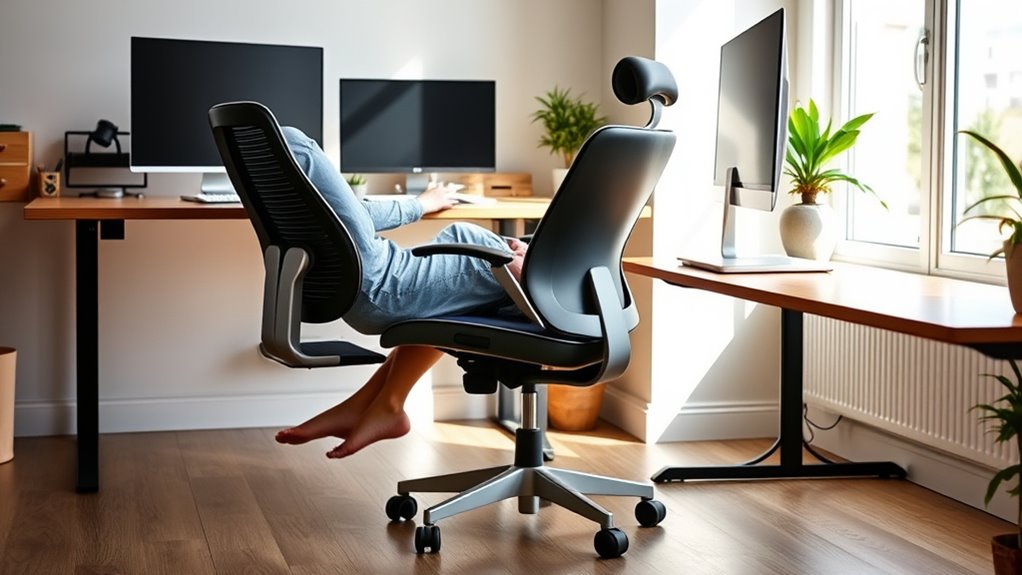
Many people develop posture problems in their home workspaces because they often neglect proper ergonomic setup. Slouching forward to see your screen causes neck strain, while leaning back with a rounded shoulders leads to upper back pain. Cradling your phone between your shoulder and ear can cause neck tension, and sitting with your legs crossed for long periods may restrict circulation. Poor desk height can force you to hunch or reach awkwardly, exacerbating shoulder and wrist discomfort. Over time, these habits contribute to headaches, fatigue, and musculoskeletal issues. Without awareness, you might develop habits like tilting your head or leaning excessively, which can become ingrained and difficult to correct. Recognizing and addressing these common posture problems is key to maintaining comfort and preventing long-term health issues. Proper ergonomic setup is essential for reducing strain and promoting better posture in your workspace. Incorporating ergonomic principles can significantly improve your comfort and overall health during long work hours. Additionally, regularly adjusting your workspace can help prevent these issues from developing and promote better posture awareness. Developing habits like mindful sitting can further support your ergonomic efforts and foster long-term comfort.
Key Elements of an Ergonomic Desk Setup
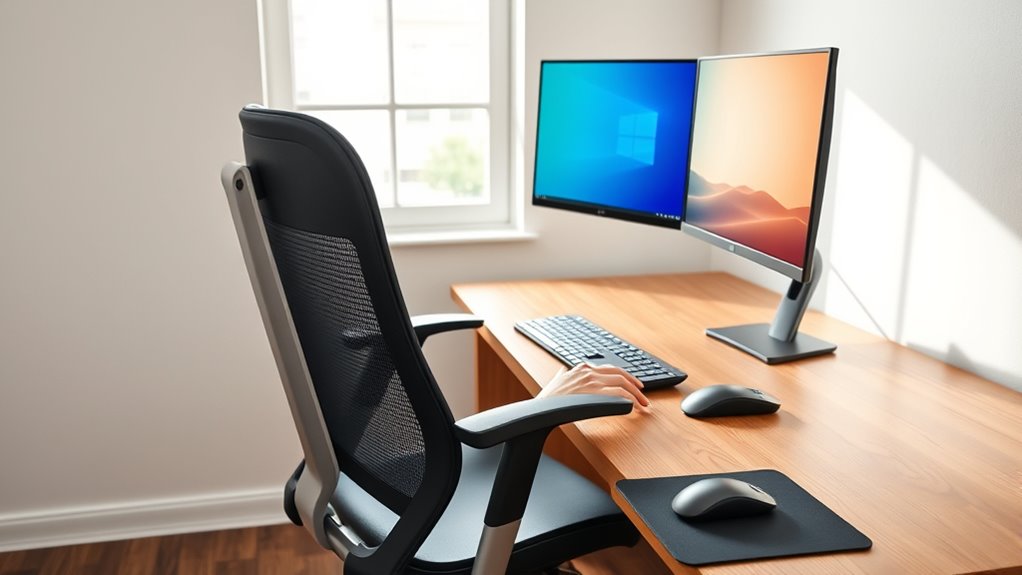
Creating an ergonomic desk setup starts with selecting the right furniture and positioning it correctly. Your desk should be at a height where your forearms are parallel to the floor when typing, usually around 28-30 inches. Make certain your monitor is directly in front of you, with the top of the screen at eye level to prevent neck strain. Keep your keyboard and mouse close enough so you don’t have to reach, reducing shoulder tension. Your chair should support your lower back and allow your feet to rest flat on the floor or on a footrest. Adequate lighting is essential; position your desk near natural light or add adjustable lighting to minimize glare and eye strain. Incorporating proper cable management can also improve safety and reduce clutter, contributing to a more organized workspace. Additionally, maintaining proper posture throughout your work sessions can significantly reduce discomfort and improve overall ergonomic health. Incorporating ergonomic accessories, such as adjustable keyboard trays or lumbar supports, can further enhance comfort during long hours. Practicing regular movement breaks is also crucial to prevent stiffness and promote circulation during long work hours. Being mindful of ergonomic principles can help you design a workspace that minimizes risk and maximizes comfort. These key elements create a comfortable, efficient workspace that promotes good posture.
How Proper Seating Can Prevent Discomfort
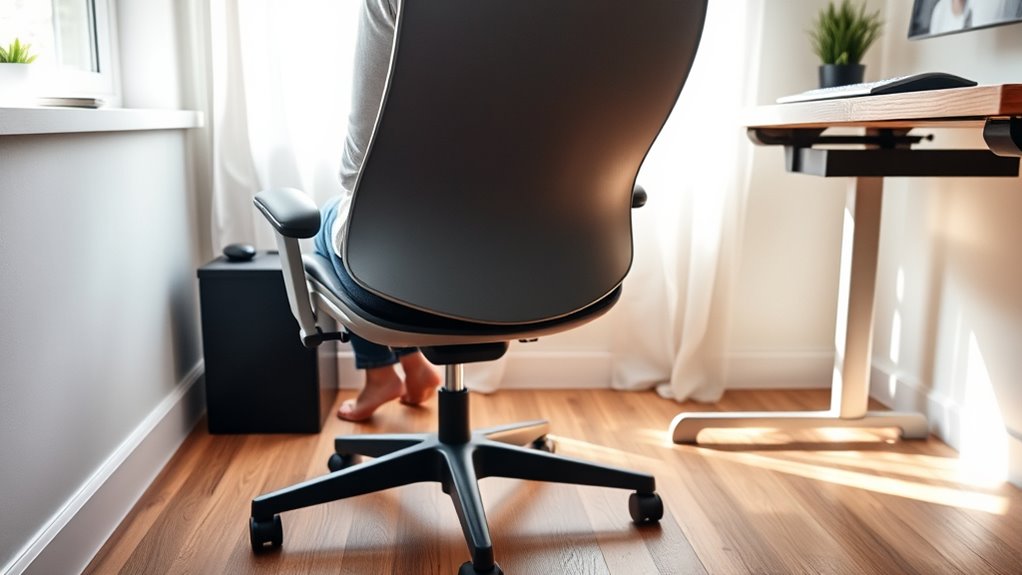
Choosing the right seating is essential to maintaining comfort during long hours at your home office. When you select an ergonomic chair, you support your lower back with proper lumbar support, reducing strain. Make sure the chair’s height allows your feet to rest flat on the floor, keeping your knees at a 90-degree angle. The seat should be wide enough to support your hips comfortably without pressing on your thighs. Adjustable armrests help prevent shoulder and neck tension by allowing your arms to rest naturally. Proper seating encourages good posture, reducing the risk of discomfort and musculoskeletal issues. Investing in a quality ergonomic chair helps you stay comfortable and focused, even during extended work sessions. Additionally, choosing appropriate furniture that complements ergonomic principles can further improve your workspace comfort. To enhance your ergonomic setup, consider incorporating adjustable features that can be customized to your specific needs. Paying attention to ergonomic design principles can lead to a healthier and more productive workspace, especially when you incorporate ergonomic accessories that support proper alignment and reduce strain. Implementing proper workspace setup can further optimize your comfort and productivity throughout the day.
The Role of Lighting and Screen Positioning

Proper lighting and screen positioning are essential for reducing eye strain and maintaining focus during long work hours. You want to minimize glare and ensure your eyes stay comfortable. Place your monitor about an arm’s length away, with the top of the screen at or slightly below eye level. Use natural light when possible, but avoid direct sunlight that causes glare. Adjust your lighting to create a balanced environment, avoiding overly bright or dim settings. Incorporating home‑care techniques such as proper lighting adjustments can also help prolong the lifespan of your equipment and maintain a healthy workspace. Additionally, regular eye care practices can further reduce discomfort and support long-term eye health. Ensuring your workspace is ergonomically optimized not only improves comfort but also contributes to overall productivity during extended work sessions. Being mindful of equipment maintenance can further enhance the longevity and performance of your devices, ensuring a consistent and comfortable work environment.
Tips for Creating a Comfortable and Productive Environment
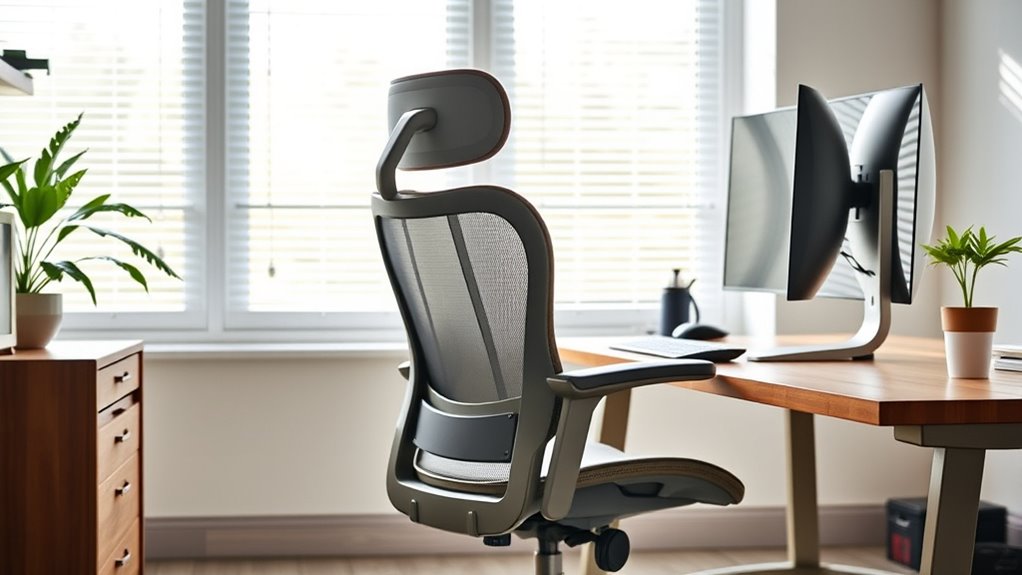
Setting up your desk correctly is key to comfort and efficiency, so guarantee your workspace supports good posture. Ergonomic accessories like adjustable chairs, monitor stands, and wrist supports can make a big difference. By focusing on proper desk setup and helpful tools, you’ll create an environment that boosts your productivity and reduces strain.
Proper Desk Setup
Creating an ergonomic home office starts with your desk setup. Begin by choosing a desk that fits your space and allows your arms to rest comfortably at a 90-degree angle when typing. Keep your monitor directly in front of you, about an arm’s length away, with the top of the screen at eye level to prevent neck strain. Clear your workspace of clutter to reduce distractions and promote focus. Guarantee your keyboard and mouse are close enough so you don’t have to reach, which minimizes shoulder tension. Use a stable surface that doesn’t wobble or shake. Adjust your chair height so your feet are flat on the floor, and your knees are roughly level with your hips. A proper desk setup lays the foundation for comfort and productivity throughout your workday.
Ergonomic Accessories
Have you considered how ergonomic accessories can enhance your home office comfort? Adding items like adjustable keyboard trays, wrist supports, and footrests can make a significant difference. These accessories help maintain proper alignment, reducing strain on your wrists, neck, and back. For example, a good ergonomic mouse reduces repetitive stress, while a sit-stand desk converter allows you to switch positions easily. Use monitor risers to keep screens at eye level, preventing neck strain. Keep essentials within reach to avoid unnecessary stretching or twisting. Investing in quality ergonomic accessories doesn’t just boost comfort; it also improves your productivity by creating a healthier workspace. Small adjustments like these can transform your home office into a more supportive environment, making your workday more comfortable and efficient.
Investing in Ergonomic Tools and Accessories
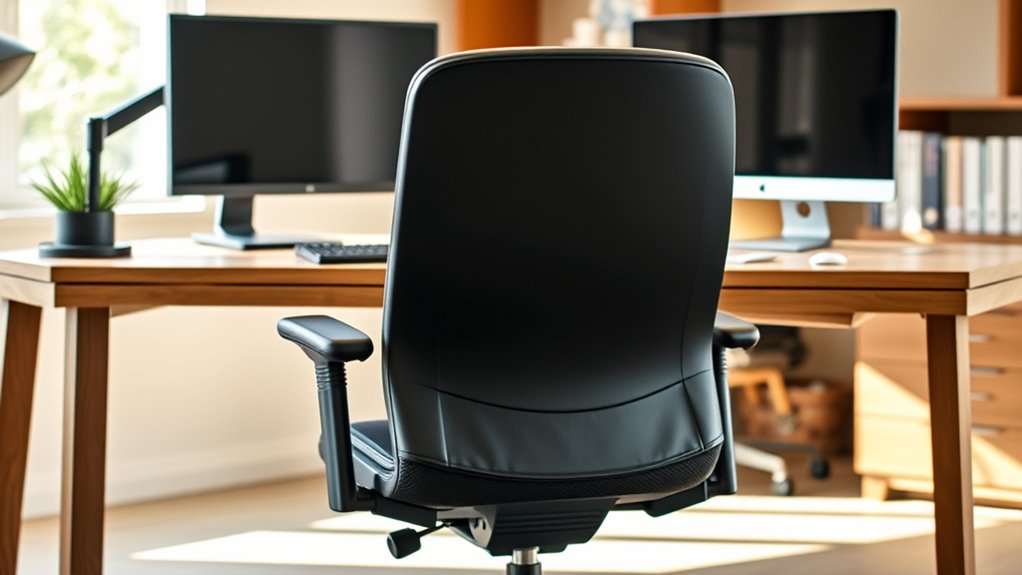
Ever wondered how investing in the right ergonomic tools can transform your home office experience? When you choose quality ergonomic accessories like an adjustable chair, a supportive keyboard, or a monitor stand, you create a workspace that promotes better posture and reduces strain. These tools help you maintain proper alignment, preventing discomfort and long-term injuries. Investing upfront in ergonomic equipment might seem costly, but it pays off by increasing comfort and productivity. Remember, the goal is to support your body during extended work sessions. Don’t settle for makeshift solutions; prioritize tools designed with ergonomics in mind. Your body will thank you for the investment, and you’ll enjoy a healthier, more comfortable work environment every day.
Frequently Asked Questions
How Do I Know if My Home Office Setup Is Truly Ergonomic?
You can tell if your home office setup is ergonomic by checking if your chair supports your lower back and keeps your feet flat on the floor. Your monitor should be at eye level, and your wrists should be straight while typing. Make sure you can sit comfortably without straining your neck or shoulders. Adjust your furniture until your posture feels natural and pain-free for extended periods.
Can Ergonomic Adjustments Improve My Focus and Productivity?
Yes, ergonomic adjustments can boost your focus and productivity. When your workspace supports good posture and reduces discomfort, you’re less likely to be distracted by pain or fatigue. Proper chair height, screen position, and keyboard placement help you stay alert and engaged longer. By creating an ergonomic setup, you make it easier to concentrate on your tasks, work efficiently, and maintain your energy throughout the day.
Are There Budget-Friendly Ergonomic Solutions for Small Home Offices?
Yes, you can find budget-friendly ergonomic solutions for small home offices. Did you know that over 60% of remote workers report discomfort due to poor setup? You can start with affordable items like an adjustable chair, a supportive cushion, or a standing desk converter. These options improve posture and comfort without breaking the bank, helping you stay focused and productive throughout your workday.
How Often Should I Take Breaks to Maintain Ergonomic Health?
You should take a break every 30 to 60 minutes to maintain ergonomic health. During these breaks, stand up, stretch, or walk around to reduce strain on your eyes, neck, and back. Regular movement helps improve circulation and prevents fatigue. Listening to your body’s signals is key—if you feel discomfort or stiffness, take a break sooner. Consistent breaks keep you comfortable and boost your productivity throughout your workday.
What Signs Indicate My Workspace Is Causing Ergonomic Strain?
You might notice tingling in your hands, persistent neck aches, or frequent headaches—these are signs your workspace is causing ergonomic strain. If your eyes feel strained after hours, or you constantly shift positions, your setup isn’t supporting you properly. Don’t ignore these signals; they warn you to adjust your chair, monitor height, or take breaks. Addressing these issues now can prevent long-term discomfort and injuries.
Conclusion
By prioritizing ergonomics in your home office, you can notably reduce the risk of long-term health issues. Did you know that poor posture can lead to chronic pain, affecting 80% of office workers at some point? Investing in the right setup not only boosts comfort but also enhances productivity. Make small changes today—your body will thank you tomorrow, and you’ll work smarter, not harder.
Halloween Picks
halloween
As an affiliate, we earn on qualifying purchases.