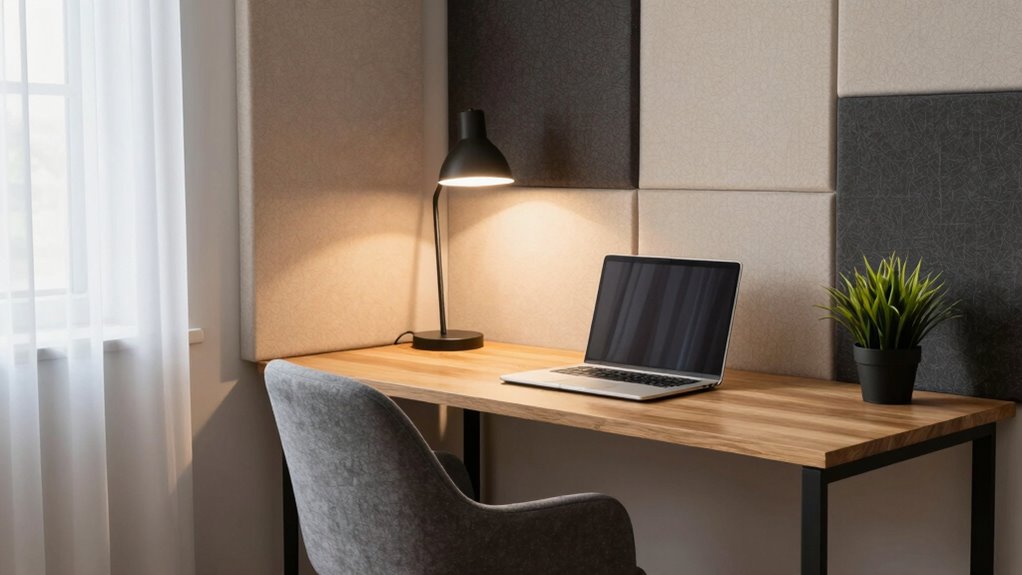

To improve your home office acoustics, focus on absorbing sound with soft furnishings like rugs, curtains, and upholstered furniture while reducing reflections from hard surfaces like glass and bare walls. Use acoustic panels, diffusers, and door seals to block noise and echoes. Position noisy appliances away from your workspace and consider adding plants or soundproof barriers. Keep exploring to discover more tips that can transform your workspace into a quieter, more focused environment.
Key Takeaways
- Use soft furnishings like rugs, curtains, and upholstered furniture to absorb sound and reduce echoes.
- Incorporate acoustic panels or fabric-covered wall treatments to dampen reflections and improve sound quality.
- Seal gaps around doors and windows to prevent external noise from entering your home office.
- Position noisy equipment away from your workspace or add barriers to minimize sound distraction.
- Arrange furniture strategically near walls or corners to enhance sound diffusion and reduce reverberation.

Focusound 52 Pack Acoustic Foam Panels 1" x 12" x 12" Sound Proof Foam Panles Soundproofing Noise Cancelling Wedge Panels for Home Office Recoding Studio with 300PCS Double-Side Adhesive
Soundproofing – Acoustic foam panels triangular grooves structure for better noise absorption, helps to reduce and absorb unwanted…
As an affiliate, we earn on qualifying purchases.
As an affiliate, we earn on qualifying purchases.
Understanding Sound and Its Behavior in a Home Office

Understanding how sound behaves in your home office is essential for creating a productive workspace. Sound travels through the air and interacts with surfaces, reflecting, absorbing, or diffusing depending on the materials around you. When you speak, your voice creates waves that spread in all directions, potentially causing echoes or background noise. Soft furniture, carpets, and curtains absorb sound, reducing echo and making your environment quieter. Hard surfaces like glass or bare walls reflect sound waves, which can lead to distractions. Recognizing these behaviors helps you manage noise effectively. By understanding how sound moves and interacts in your space, you can make informed choices about placement and materials, creating a more focused, comfortable working environment. Incorporating elements like free floating acoustic panels can further improve sound quality by minimizing unwanted reflections. Knowing about sound absorption techniques allows you to tailor your space for better acoustics. Additionally, using soundproofing methods can help block outside noise and keep your workspace undisturbed. An understanding of sound wave behavior can also guide you in selecting the right equipment and layout to optimize your acoustics. Being aware of reflection points can help you position your furniture and equipment to avoid creating additional echoes or sound distortions.

MAXTID Large Door Draft Stopper for Bottom of Doors 36” Under Door Sweep Noise Blocker Black Gap Stoppers Adjustable Doors Seal Sweep Guard Draft, Window Breeze Stoppers, Home Essentials Gadgets
Large door draft stopper foam is 2 inches in diameter, which is larger than most sellers' foam and…
As an affiliate, we earn on qualifying purchases.
As an affiliate, we earn on qualifying purchases.
Common Acoustic Problems in Home Workspaces
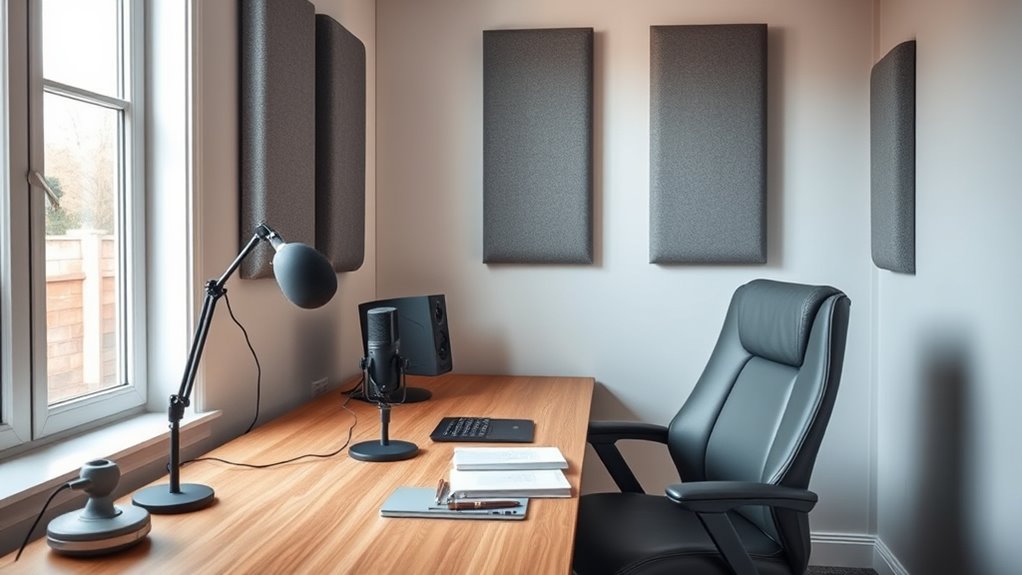
Many home workspaces face common acoustic problems that can hinder productivity and focus. One frequent issue is echo, which occurs when sound waves bounce off hard surfaces like walls, floors, or desks, creating a distracting reverberation. Another problem is background noise from household activities, such as conversations, appliances, or outdoor sounds, making it hard to concentrate or participate in calls. Poor sound insulation can also let noise from neighboring rooms or outside leak in, disrupting your work. Additionally, reflective surfaces like glass or metal can amplify sounds, intensifying noise levels. These issues can cause fatigue, miscommunication, and reduced efficiency. Recognizing these common problems is the first step toward creating a quieter, more comfortable home office environment. Improving sound quality can be achieved through acoustic treatments or projector screen placement strategies to absorb or diffuse unwanted sound reflections. Implementing sound absorption materials like rugs, curtains, or acoustic panels can further reduce problematic echoes and noise, especially considering the importance of environmental considerations in maintaining a sustainable workspace. Moreover, using room layout adjustments can help optimize sound distribution and minimize reflections to enhance overall acoustics.

TroyStudio Thick Sound Absorbing Interlocking Floor Mats, 16 Pcs 11x 11 x 0.4 inches High Density Piano Carpet Drum Rug, Non-Slip Anti Vibration Soundproof Pads Acoustic Blankets for Music Studio M
【SPECIFICATION】: Dimensions: 11'' x 11'' x 0.4'', pack of 16; Material: 100% polyester fiber felt; High Density: 150kg/m3…
As an affiliate, we earn on qualifying purchases.
As an affiliate, we earn on qualifying purchases.
Materials and Techniques to Improve Sound Quality

To effectively address common acoustic problems in your home office, selecting the right materials and techniques can make a significant difference. Using sound-absorbing materials reduces echoes and improves clarity. For instance, installing acoustic panels on walls can dampen sound reflections. Adding thick curtains or rugs helps absorb noise and reduces echoes. Bookshelves filled with books act as diffusers, scattering sound waves. Soft furnishings like cushions and upholstered furniture also dampen sound. Additionally, sealing gaps around doors and windows prevents sound leaks. Consider using bass traps in the corners to control low-frequency issues. These materials and techniques help create a balanced sound environment, making your workspace more comfortable and productive. Proper selection guarantees clear communication and minimizes distractions. Incorporating smart acoustic solutions can further optimize your space for sound quality and adaptability, especially when combined with other soundproofing methods for comprehensive acoustic treatment. Utilizing tested recommendations from acoustic experts can ensure effective and lasting improvements. Exploring innovative acoustic materials can also provide enhanced performance tailored to your specific room characteristics.
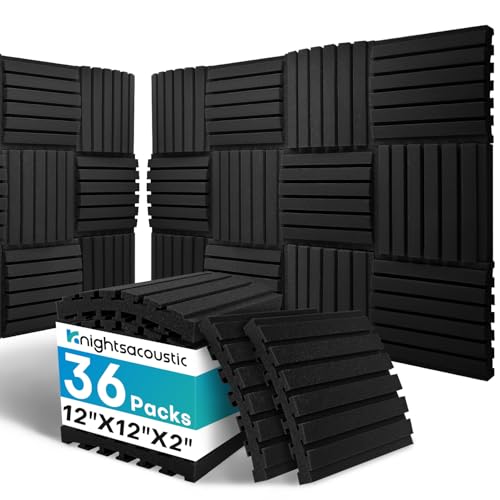
36Packs Curved Sound Proof Foam Panels for Walls, 2" Acoustic Panels Sound Absorbing Dampening, Soundproofing Noise Reducing Cancelling Treatments for Home Office Recoding Studio Decor, 2x12x12" Black
PATENTED DESIGN: Engineered with advanced acoustic foam panels featuring a unique curved groove design, these panels offer enhanced…
As an affiliate, we earn on qualifying purchases.
As an affiliate, we earn on qualifying purchases.
Practical Tips for Reducing Noise and Echoes
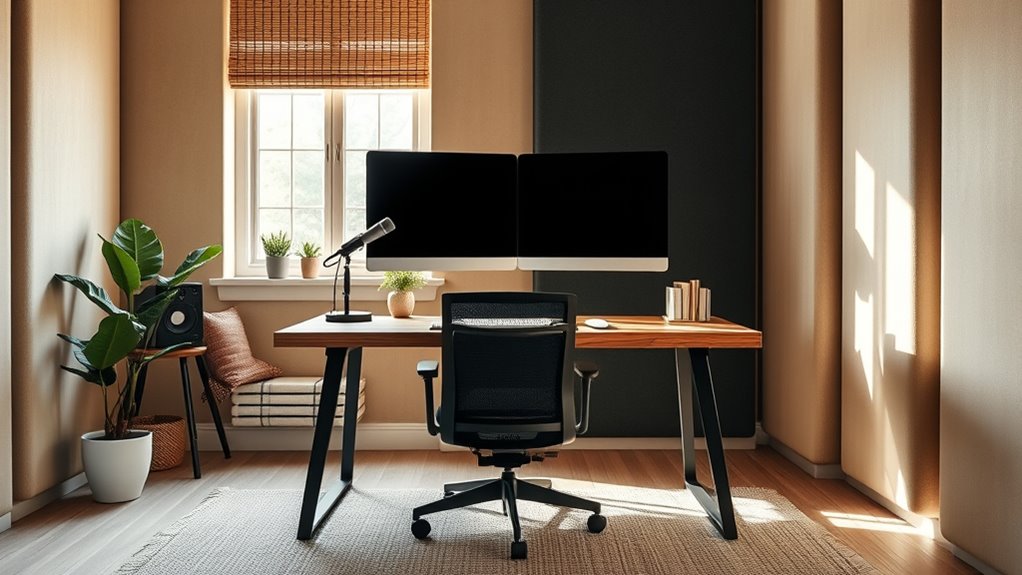
Reducing noise and echoes in your home office requires practical, actionable steps you can implement immediately. Start by adding soft furnishings like rugs, curtains, or upholstered furniture to absorb sound reflections. Use bookshelf or fabric-covered panels to break up hard surfaces that cause echoes. Keep noise sources, such as printers or vents, away from your workspace or soundproof them with barriers. Close doors and windows when working to block external noise. Consider positioning your desk away from walls or corners where sound tends to bounce. Use draft stoppers or weatherstripping on doors to minimize sound leaks. Incorporate plants, which can help diffuse sound waves. Additionally, soundproofing techniques such as sealing gaps and adding acoustic panels can further enhance your home office acoustics. Paying attention to room layout can also significantly reduce sound issues, making your workspace more comfortable. Using sound absorption materials strategically in your space can make a noticeable difference in creating a quieter, more focused home office environment. Incorporating proper ventilation can also help control noise levels while maintaining airflow and comfort.
Choosing Equipment and Layout Strategies for Better Acoustics
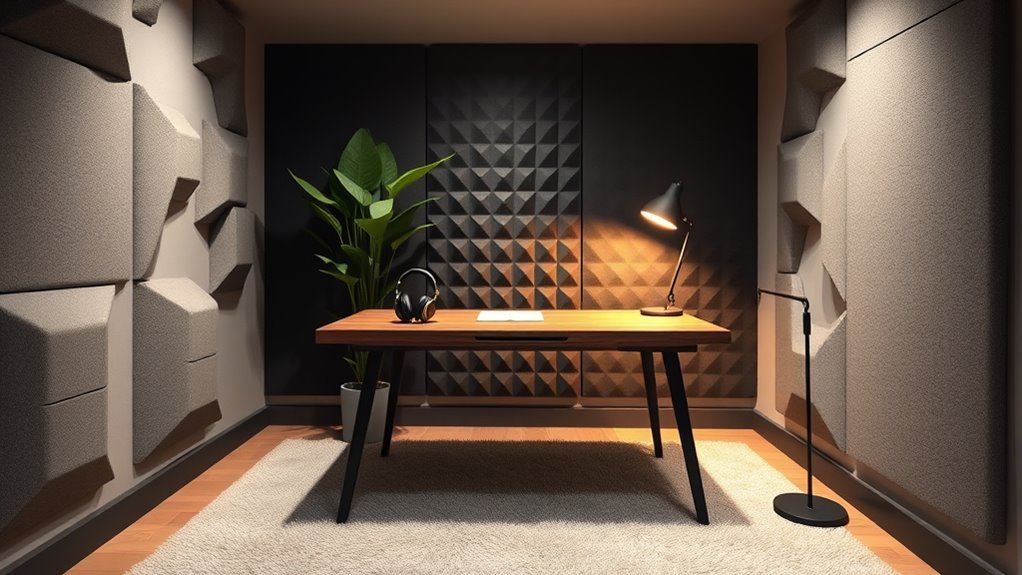
Choosing equipment and layout strategies for better acoustics can significantly enhance your home office environment. Start by selecting quality microphones and headphones that minimize background noise. Incorporate smart sound management features like adaptive noise cancellation in your audio devices to further improve clarity. Arrange your desk to keep noisy appliances away from your workspace. Use sound-absorbing materials like rugs, curtains, or acoustic panels to dampen echoes. Incorporate furniture strategically to break up sound waves and prevent reflections. Positioning your desk near a wall or corner can leverage natural sound diffusion to create a more balanced acoustic environment. Additionally, incorporating soundproofing techniques can further reduce unwanted noise transmission and improve overall acoustics. Considering room dimensions can also play a vital role in optimizing sound quality and reducing echo. Being mindful of air quality can also influence your comfort and concentration levels in the space.
Frequently Asked Questions
How Do I Measure the Current Sound Levels in My Home Office?
To measure the sound levels in your home office, you need a sound level meter or a smartphone app designed for noise measurement. Turn on the device and hold it at your ear level, keeping a consistent distance from your workspace. Record the decibel readings during typical working hours. This helps you identify noise sources and decide on effective soundproofing or noise-canceling solutions to improve your environment.
Can Specific Colors or Lighting Affect Acoustic Comfort?
Colors and lighting can influence your acoustic comfort by affecting your mood and perception of noise. Bright, cool lighting might make you feel more alert, helping you concentrate better and possibly ignore background noise. Warm, dim lighting creates a relaxed atmosphere, which might make noise seem less intrusive. While colors and lighting don’t directly change sound levels, they shape how comfortable you feel, impacting your overall acoustic experience.
What Are the Best Plants for Sound Absorption in a Home Workspace?
Plants like snake plants, pothos, and peace lilies are great for sound absorption, much like sponges soaking up water. You should place them around your workspace to reduce noise and improve acoustics. These plants have thick leaves and dense foliage that help dampen sound waves, creating a quieter environment. Plus, they add a touch of greenery and freshness, making your home office more inviting and comfortable.
How Does Room Shape Influence Sound Behavior and Echo?
Room shape substantially influences sound behavior and echo. If your room has parallel walls, sound waves bounce back and forth, creating echoes. Rounded or irregular shapes help disperse sound evenly, reducing reverberation. You should consider avoiding long, narrow spaces, which can amplify noise, and opt for more varied dimensions to minimize echoes. Properly shaping your room improves sound clarity, making your workspace more comfortable and productive.
Are There Budget-Friendly DIY Solutions for Improving Acoustics?
Yes, you can improve acoustics on a budget with DIY solutions. Start by adding soft furnishings like rugs, curtains, and cushions to absorb sound. Hang DIY panels using thick blankets or foam on walls to reduce echo. Rearrange furniture to minimize sound reflections and create a more controlled environment. These simple steps can substantially enhance sound quality without breaking the bank.
Conclusion
Now that you understand how sound behaves in your home office, imagine it as a cozy haven where every word is clear, and every echo is tamed. With simple materials and thoughtful setup, you can transform your space into a sanctuary of focus and calm. Picture yourself working effortlessly, free from distracting noise, as your environment embraces you like a warm, quiet embrace. Take control of your acoustics and turn your home office into your ideal workspace.