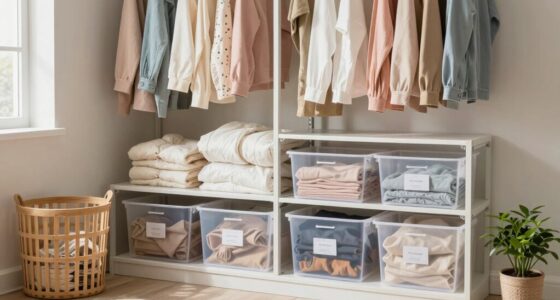
Avoid the mistake of investing in permanent upgrades like drilling holes or installing fixtures without landlord approval. These actions can risk your security deposit and may violate your lease agreement, leading to costly repairs or deductions. Instead, focus on renter-friendly, temporary decor solutions like adhesive hooks, peel-and-stick wallpaper, or portable decor items. Staying within legal and lease boundaries keeps your space stylish and safe. Keep going to discover more tips for smart, reversible upgrades that protect your wallet.

Give the gift of listening to someone you love
- Choose a 1-, 3-, 6- or 12-month membership
- They pick the audiobooks they love
- Easy to send by email
Key Takeaways
- Avoid permanent modifications like drilling or painting that violate lease terms and risk deposit deductions.
- Don’t overlook lease restrictions; always review agreements before making any upgrades.
- Refrain from costly, irreversible renovations that aren’t easily removable or portable.
- Steer clear of using permanent fixtures that could damage walls or surfaces.
- Avoid neglecting eco-friendly, renter-friendly options that preserve the space and the environment.
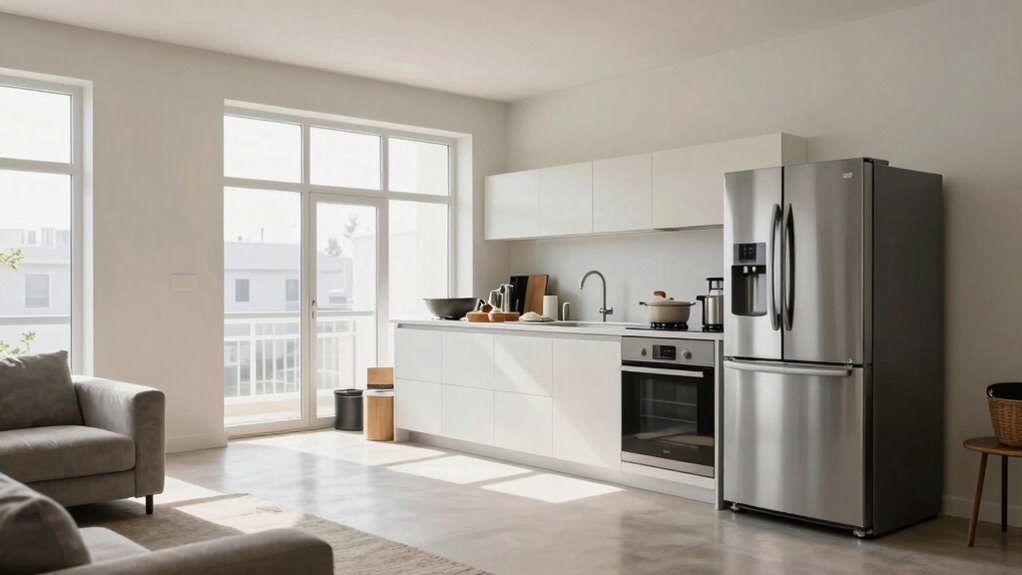
Living in an apartment doesn’t mean you have to settle for a space that feels bland or unpersonalized. Too often, renters fall into the trap of making upgrades that aren’t tenant-friendly or that violate renters’ rights. One common mistake is investing heavily in permanent fixtures or expensive renovations that can’t be undone when it’s time to move. Remember, your goal should be to enhance your space without risking your security deposit or violating lease agreements. Instead, focus on budget decorating ideas and temporary upgrades that add personality without causing damage or legal issues.
Personalize your apartment with temporary, renter-friendly decor—avoid permanent changes that could jeopardize your security deposit.
A major error is drilling holes or installing hardware that leaves marks behind—these can be costly to repair, and landlords might deduct from your deposit. Always check your lease or talk to your landlord before making changes, and look for renter-friendly solutions like removable adhesive hooks, adhesive tiles, or peel-and-stick wallpaper. These options let you personalize your apartment without jeopardizing your renters’ rights or creating a mess when you leave. Budget decorating also means choosing versatile, affordable pieces that can be easily moved or changed. For example, instead of permanently affixing artwork, use tension rods or removable adhesive strips to hang pictures. This way, you keep your space lively and reflective of your style without risking penalties at move-out.
Another mistake is overhauling entire rooms with costly upgrades that don’t align with your temporary living situation. It’s tempting to want a “wow” factor, but consider whether the investment is worth it for a rental. Focus on small, impactful changes like adding area rugs, throw pillows, or decorative lighting that can be packed up or left behind. These upgrades are budget-friendly and don’t require permanent alterations. Also, be mindful of your apartment’s restrictions—avoid painting walls or installing fixtures that aren’t renter-approved. Instead, use removable wallpaper or temporary color sprays that won’t damage surfaces. Additionally, understanding your renter’s rights can help you make smarter choices about what modifications are permitted and what could lead to issues during move-out. Learning about tenant protections can further empower you to make safe, legal modifications.
Being aware of the importance of lease agreements can also help you avoid accidental violations when making upgrades. Furthermore, staying informed about local laws related to tenant modifications can prevent unintentional breaches that might jeopardize your tenancy. Finally, don’t forget the importance of understanding your renters’ rights. Knowing what modifications are allowed can save you from costly mistakes. Being aware of biodiversity and sustainable practices can also inspire eco-friendly and renter-friendly upgrades that benefit the environment. Many landlords appreciate tenants who enhance their space with respectful, non-permanent updates. By sticking to budget decorating and renter-friendly upgrades, you can enjoy a personalized, cozy apartment without risking your security deposit or legal trouble. Keep your upgrades simple, reversible, and aligned with your lease, and you’ll create a space that feels like home—without doing something you’ll regret when it’s time to move out.
Products Worth Considering

Philips Hue Play Floor Lamp, RGBWWIC LED, 53 Inch, Black

Dyson Airwrap i.d. 6-in-1 Multi-Styler and Dryer

LG 55-Inch QNED73B Mini LED 4K Smart TV (2026)
As an affiliate, we earn on qualifying purchases.
Frequently Asked Questions
Can These Upgrades Be Removed Easily When Moving Out?
Most apartment-friendly upgrades can be removed easily when you move out, reducing removal difficulty. However, some upgrades, like paint or removable wall decals, are designed for easy removal and won’t leave marks. On the other hand, upgrade permanence varies—things like wallpaper or heavy fixtures might require more effort or could damage surfaces. Always check with your landlord before making modifications to guarantee you won’t face issues during the removal process.
Are These Upgrades Suitable for Rental Properties?
These upgrades are generally suitable for rental properties because they allow for personalization options that suit your style without damaging the space. You can focus on aesthetic considerations like removable wallpaper or stylish storage solutions, which are easy to take down when moving out. This way, you enhance your living experience while respecting the property’s integrity, making upgrades both practical and renter-friendly.
Do They Require Special Tools or Skills to Install?
Think of upgrading as planting a seed—simple tools and a little care often suffice. Usually, these upgrades don’t require special tools or a high skill level; basic screwdrivers or tape measures do the job. If you’re comfortable with minor DIY projects, you’ll find installation straightforward. However, for more complex tasks, consulting tutorials or professionals guarantees success. Keep it simple, and watch your space flourish with minimal effort.
How Long Do These Upgrades Typically Last?
The durability of these upgrades varies, but generally, they last several years with proper maintenance. You should assess their durability by considering the materials used and how well they resist wear and tear. Regular maintenance helps extend their lifespan, so check for signs of damage and clean or repair as needed. Typically, upgrades like peel-and-stick tiles or removable wallpaper last 3-5 years, depending on usage and upkeep.
Are There Any Safety Concerns With These Upgrades?
Yes, safety concerns are real with these upgrades. You should watch out for potential fire hazards caused by improper wiring or flammable materials, and guarantee structural integrity isn’t compromised. Always follow safety guidelines and consult professionals when needed. Failing to do so can increase risks, jeopardize your safety, or cause damage. Prioritize safety by selecting quality products and proper installation methods to keep your apartment secure.
Conclusion
To truly enjoy your apartment, it’s best to embrace subtle enhancements that complement your space without overwhelming it. Avoid shortcuts that might seem tempting but could lead to subtle inconveniences later on. Instead, focus on small, thoughtful upgrades that enhance comfort and style, allowing your home to reflect your personality gently. When you choose wisely and keep things simple, your apartment becomes a cozy haven, effortlessly blending practicality with personal charm.