
To reduce dust without over-cleaning, use a high-efficiency HEPA air purifier to capture airborne particles and keep it running in busy areas. Maintain proper humidity levels between 40-50%, which helps dust settle and reduces static. Use damp cloths and microfiber dusters to trap dust effectively, and vacuum regularly with a HEPA-filtered vacuum. Keep clutter minimal and store items in closed containers. For more simple tips, explore further techniques to keep dust at bay effortlessly.

Turn your quiet moments into listening time
- Thousands of audiobooks, podcasts and originals
- Listen on your phone, tablet or Echo — also offline
- Cancel anytime
Key Takeaways
- Use air purifiers with HEPA filters continuously in high-traffic areas for ongoing dust reduction.
- Maintain proper indoor humidity levels (40-50%) with a humidifier to settle dust particles.
- Use damp cloths or microfiber dusters to trap dust without dispersing it during cleaning.
- Keep clutter minimized and store items in closed containers to prevent dust accumulation.
- Regularly wash bedding, curtains, and upholstery to control dust mites and dander.

Dust can quickly accumulate in your home, making the air less clean and triggering allergies. While it might seem like the best solution is to clean constantly, over-cleaning can actually stir up more dust and irritants, making the problem worse. Instead, focus on smarter strategies that keep dust levels down without turning your cleaning routine into a never-ending chore.
One effective way to reduce dust is by using an air purifier. A good air purifier with a HEPA filter captures dust particles, pet dander, and other airborne allergens, improving the air quality in your space. Keep the purifier running in rooms you spend a lot of time in, especially your bedroom and living areas. This continuous filtration helps prevent dust from settling on surfaces and keeps the air fresher. Remember to change the filters regularly to maintain best performance.
Using a HEPA air purifier in key rooms keeps dust and allergens at bay and improves air quality.
Humidifier use can also play a key role in controlling dust. When the air is too dry, dust particles tend to become lighter and more airborne, increasing respiratory irritations. A humidifier adds moisture to the air, which helps keep dust particles heavier and less likely to float around. It also reduces static electricity, which can attract dust to surfaces. Be cautious not to over-humidify, as excessive moisture can encourage mold growth and dust mites. Maintaining a humidity level between 40-50% strikes a good balance. Using a humidistat can help monitor and maintain the proper humidity level. Additionally, choosing low-maintenance appliances can make ongoing dust control easier. Keeping your home properly ventilated also helps in reducing dust accumulation over time. Good ventilation can also help dilute indoor pollutants and improve overall air quality, making a noticeable difference in dust levels.
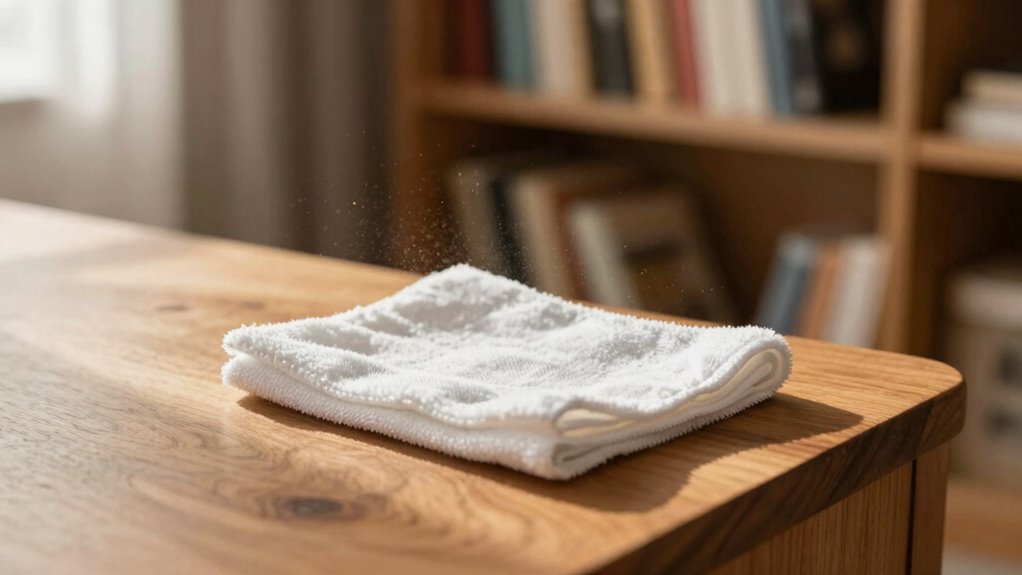
Alongside using an air purifier and humidifier, you should adopt simple daily habits. Wearing a mask while cleaning can prevent you from inhaling dust particles. Use a damp cloth or microfiber duster instead of dry dusters; this traps dust rather than dispersing it into the air. Vacuum your floors and carpets regularly with a vacuum cleaner equipped with a HEPA filter, and don’t forget to clean upholstery and curtains, which can harbor dust mites. Incorporating dust control techniques into your routine ensures a more effective and less labor-intensive approach to managing dust.
Maintaining good airflow is crucial, so open windows when weather permits to let fresh air circulate and reduce indoor dust buildup. Keep clutter to a minimum and store items in closed containers to prevent dust from settling on surfaces. Regularly washing bedding, curtains, and pet bedding also cuts down on dust mites and dander. Incorporating air quality improvements can further support your efforts in maintaining a cleaner, healthier indoor environment.
HEPA air purifier for dust removal
As an affiliate, we earn on qualifying purchases.
As an affiliate, we earn on qualifying purchases.
Frequently Asked Questions
Can Indoor Plants Help Reduce Dust Levels?
Indoor plants can help reduce dust levels through dust absorption, especially if you choose plant types like pothos, snake plants, or peace lilies. These plants naturally trap airborne dust particles on their leaves, improving air quality. To maximize dust reduction, regularly wipe down the leaves and make sure your plants are healthy. This natural method complements your cleaning routine without overdoing it, creating a fresher, cleaner indoor environment.
What Are Natural Alternatives to Chemical Dust Suppressants?
Natural remedies and DIY solutions can effectively reduce dust without resorting to chemicals. You might try mixing equal parts of water and vinegar for a gentle, natural dust suppressant, or sprinkle baking soda on carpets before vacuuming to trap dust particles. Using homemade lemon oil can also help keep surfaces dust-free and smelling fresh. These simple, eco-friendly options keep your home clean without over-relying on harsh chemical dust suppressants.
Does Air Purifier Placement Affect Dust Reduction?
Did you know that improper placement can reduce an air purifier’s efficiency by up to 50%? Yes, ideal placement is essential for dust reduction. You should position your air purifier in high-traffic or dusty areas, ideally at ear level and away from walls or furniture that block airflow. This guarantees maximum air circulation, enhances air purifier effectiveness, and helps keep dust levels lower without over-cleaning your space.
How Often Should Upholstery Be Cleaned to Minimize Dust?
You should clean your upholstery at least once every 3 to 6 months to minimize dust buildup. Regular upholstery maintenance helps prevent dust from accumulating deep within fabric fibers. Adjust your cleaning frequency based on household factors like allergies, pets, or high traffic areas. Use a vacuum with a brush attachment for routine cleaning, and consider professional deep cleaning periodically to keep dust levels low and maintain a fresh environment.
Are There Specific Fabrics That Trap Less Dust?
You might find it no coincidence that certain fabrics, like leather or tightly woven synthetics, trap less dust. These fabric choices prevent dust trapping, making cleaning easier and reducing overall dust accumulation. Natural fibers like cotton or linen tend to trap more dust due to their porous surfaces. By selecting these low dust trapping fabrics for your furniture, you can maintain a cleaner space without over-cleaning, keeping dust levels in check effortlessly.
humidifier with humidity control
As an affiliate, we earn on qualifying purchases.
As an affiliate, we earn on qualifying purchases.
Conclusion
By regularly dusting with a gentle touch and keeping clutter to a minimum, you can effectively reduce dust without over-cleaning. Remember, “A stitch in time saves nine,” meaning addressing dust early prevents bigger messes later. Embrace simple habits like changing air filters and vacuuming often, and you’ll create a healthier, cleaner space. Consistency is key—small efforts now save you time and effort down the line, proving that moderation truly makes all the difference.
As an affiliate, we earn on qualifying purchases.
As an affiliate, we earn on qualifying purchases.
Halloween Picks
halloween
As an affiliate, we earn on qualifying purchases.