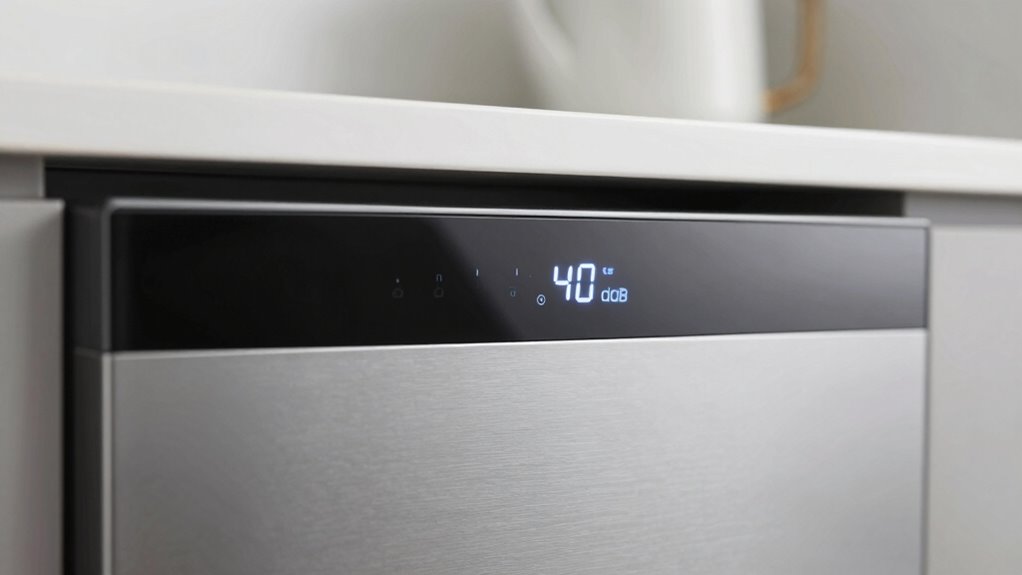
Knowing about quiet appliance noise levels in decibels (dB) helps you pick devices that won’t disturb your peaceful space. Most quiet appliances operate below 60 dB, with standard refrigerators around 40-45 dB, while louder vacuum cleaners can hit 70 dB. Understanding these levels helps prevent noise from disrupting your environment and promotes healthier living. If you want to learn more about managing appliance sounds and choosing quieter options, there’s plenty of useful information ahead.

Turn your quiet moments into listening time
- Thousands of audiobooks, podcasts and originals
- Listen on your phone, tablet or Echo — also offline
- Cancel anytime
Key Takeaways
- Noise levels in appliances are measured in decibels (dB), indicating sound intensity.
- Quiet appliances typically operate below 60 dB, with standard refrigerators around 40-45 dB.
- Noise reduction techniques include insulation, vibration dampers, and sound-absorbing housings.
- Standards ensure consistent measurement and comparison of appliance noise levels.
- Managing appliance noise enhances comfort and supports health by preventing prolonged exposure to loud sounds.

Have you ever been annoyed by the constant hum of household appliances? It’s a common experience, and understanding how noise levels are measured can help you choose quieter appliances. Noise levels are typically expressed in decibels (dB), a unit that quantifies sound intensity. Appliances like dishwashers, refrigerators, and vacuum cleaners produce different levels of noise, and knowing what those levels mean can make a big difference in your daily comfort. When shopping or evaluating appliances, look for decibel measurement standards that specify how noise is measured, usually at a standard distance like one meter or three feet from the device. This guarantees you’re comparing apples to apples and accurately evaluating how loud an appliance truly is.
To reduce the annoyance caused by loud appliances, manufacturers often employ noise reduction techniques. These include insulating motor compartments, installing vibration dampers, and designing housings that absorb sound. Some appliances are engineered specifically to operate quietly, with decibel levels below 60 dB, which is generally considered acceptable for household environments. When appliances exceed this level, they can become disruptive, especially in quiet spaces like bedrooms or home offices. By understanding the decibel range of appliances, you can set realistic expectations for what “quiet” means. For example, a standard refrigerator might operate around 40-45 dB, while a loud vacuum cleaner can reach 70 dB or more. Additionally, familiarizing yourself with noise measurement standards can help ensure you’re making informed comparisons when selecting appliances. Recognizing the sound intensity of appliances can also help prevent potential health issues related to prolonged exposure to high noise levels. Being aware of noise mitigation methods can further assist in creating a more comfortable and peaceful home environment. It’s also useful to consider soundproofing techniques if noise reduction is a priority for you. Recognizing and managing appliance noise not only enhances comfort but can also contribute to your overall well-being.
As an affiliate, we earn on qualifying purchases.
Frequently Asked Questions
How Do Decibel Levels Compare Across Different Appliance Brands?
You’ll find that brand noise comparison varies, but most reputable appliance brands aim to meet standard appliance decibel standards for quieter operation. Some brands prioritize ultra-quiet models, often reaching below 50 dB, while others may be louder. When comparing appliances, check their decibel ratings to guarantee they meet your noise level preferences. Keep in mind, lower decibel levels typically mean quieter appliances, making your home more peaceful.
What Is Considered a Safe Noise Level for Daily Appliance Use?
Think of a safe noise level as a gentle lullaby, soothing without disturbing. You should aim for appliances emitting sound insulation that keeps noise at or below 50-55 dB, especially as noise frequency influences perception—higher frequencies feel sharper, lower feel softer. Daily use at this level guarantees comfort, minimizing stress or disturbance. Trust your ears and choose appliances that harmonize with your environment, creating a peaceful rhythm at home.
Do Quieter Appliances Cost More Than Standard Models?
Quieter appliances often cost more than standard models because they focus on better insulation, advanced motor technology, and noise-reduction features. While the initial investment might be higher, you’ll benefit from improved energy efficiency and a more peaceful environment. Trusted brands with strong reputations tend to offer quieter appliances, reflecting quality and reliability. Ultimately, paying extra can be worthwhile if you prioritize comfort, durability, and energy savings.
How Can I Reduce Appliance Noise in My Home?
To tame appliance noise, try tackling vibrations and sounds directly. Vibration reduction pads and soundproofing mats can dramatically diminish disruptive sounds. Place vibration dampers under appliances, ensuring they sit steadily, and add soundproof mats around noisy machines. Regular maintenance also minimizes noise by preventing strain. By blending vibration reduction techniques with soundproofing solutions, you can create a calmer, quieter home environment, effortlessly diminishing disruptive appliance sounds.
Are There Specific Certifications for Quiet Appliances?
Yes, there are certifications for quiet appliances that highlight silent operation and effective sound insulation. Look for labels like Energy Star or Quiet Mark, which identify products designed to minimize noise. These certifications guarantee the appliance meets strict standards for sound levels, giving you confidence that it operates quietly. Choosing appliances with these certifications helps create a peaceful home environment by prioritizing silent operation and sound insulation.
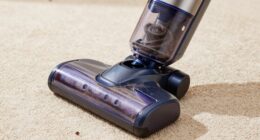
ultra-quiet vacuum cleaner 50 dB
As an affiliate, we earn on qualifying purchases.
As an affiliate, we earn on qualifying purchases.
Conclusion
Now that you understand the quiet hum of appliances, imagine them as gentle whispers in your home’s symphony, barely brushing against your senses. When you choose appliances with lower decibel ratings, you’re inviting a peaceful lullaby instead of a thunderstorm. Think of your space transformed into a serene oasis, where sounds softly dance like leaves in a breeze. Embrace the quiet, and let your home breathe easy—your sanctuary of calm and tranquility.
As an affiliate, we earn on qualifying purchases.
As an affiliate, we earn on qualifying purchases.
Columbus Day / Indigenous Peoples' Day Picks
long weekend sales
As an affiliate, we earn on qualifying purchases.