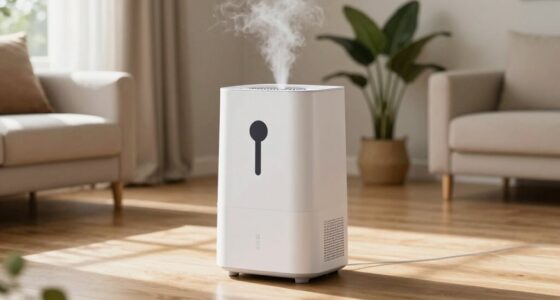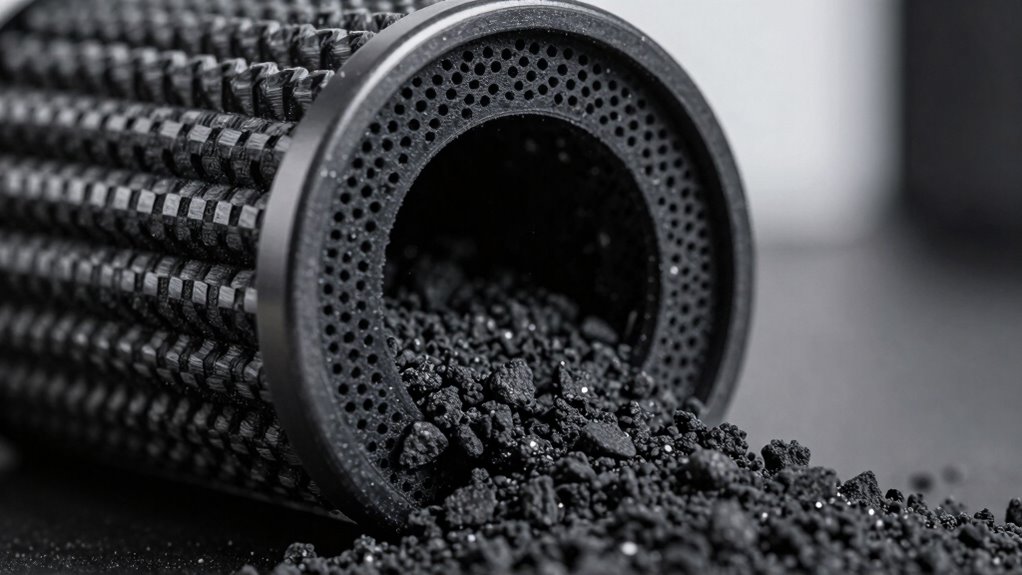
Carbon filters are great at removing odors and chemical vapors from your indoor air, making your space fresher and healthier. They absorb and neutralize smells from cooking, pets, smoke, and household chemicals. While they’re not as effective against dust or allergens, they work well alongside HEPA filters for a complete clean. Over time, the filter’s effectiveness can fade as it becomes saturated. Keep exploring to find out how to get the most out of your carbon filter.

Get books, candles and calm essentials delivered free — and shop member deals
- Fast, free delivery on millions of items
- Access to Prime Big Deal Days deals on October 6–7
- Prime Video, Amazon Music and more included
Key Takeaways
- Effectively remove odors from cooking, pets, smoke, and household chemicals through chemical absorption.
- Neutralize volatile organic compounds (VOCs) to improve indoor air quality.
- Less effective against larger particles like dust or pollen, often combined with HEPA filters.
- Require regular replacement as activated carbon becomes saturated and less effective.
- Enhance indoor freshness by trapping odorous molecules and preventing harmful chemical circulation.
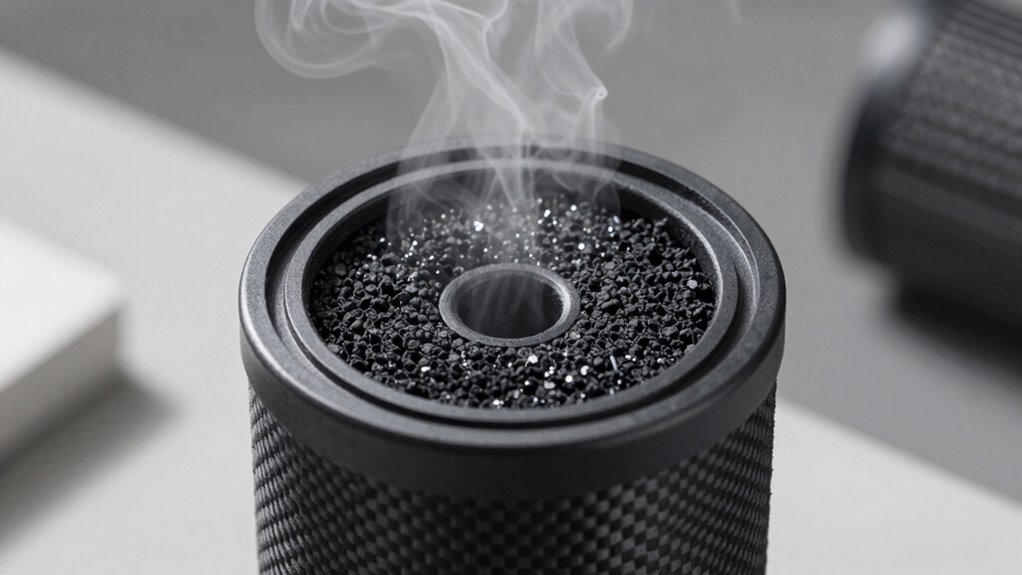
Are you looking for an effective way to improve air quality and eliminate odors? If so, carbon filters could be exactly what you need. These filters are widely used in air purification systems because they excel at removing certain airborne contaminants. Their primary strength lies in their ability to absorb and neutralize unpleasant smells, chemicals, and volatile organic compounds (VOCs). When you run an air purifier equipped with a carbon filter, you’re enabling it to perform chemical absorption—drawing in airborne molecules and trapping them within the filter’s porous surface. This process markedly improves indoor air quality by reducing odors and harmful substances.
Carbon filters absorb and neutralize odors, chemicals, and VOCs to improve indoor air quality effectively.
Carbon filters are particularly effective against smells from cooking, pets, smoke, and household chemicals. If you’ve ever noticed lingering odors that just won’t go away, installing a carbon filter can make a noticeable difference. The tiny pores in activated carbon provide a large surface area where chemical reactions occur, converting odorous molecules into less offensive or inert substances. This makes carbon filters a top choice for creating a fresher, more breathable environment indoors. Their ability to handle chemical absorption means they don’t just mask smells—they remove the source by trapping the molecules responsible for those odors.
While carbon filters are excellent at absorbing gases and chemicals, they aren’t as effective against larger particles like dust or pollen. For thorough air purification, they’re often combined with HEPA filters that target particulates. This hybrid approach ensures you’re covering all bases—from airborne allergens to chemical vapors. Additionally, filter lifespan can vary depending on factors like the amount of activated carbon and the level of pollutants in your environment. Using high-quality activated carbon can enhance the overall effectiveness and longevity of the filter.
Furthermore, understanding the adsorption process can help you better appreciate how these filters function and how to optimize their use in your space. It is also important to consider the filtering capacity, which impacts how much and how long the filter can effectively capture contaminants before needing replacement. When considering a carbon filter, keep in mind that their effectiveness depends on the amount of activated carbon and the airflow rate. Over time, the carbon becomes saturated with absorbed compounds, so regular replacement is necessary to maintain their performance.
In addition to eliminating odors, carbon filters also help reduce exposure to certain indoor pollutants, contributing to healthier air. This is especially valuable if you live in an area with high pollution levels or if someone in your household has allergies or respiratory issues. By actively engaging in air purification through chemical absorption, these filters prevent many harmful substances from circulating freely in your space. Regular maintenance and understanding the air purification process are key to ensuring the filters continue to perform effectively.
carbon air purifier filter replacement
As an affiliate, we earn on qualifying purchases.
As an affiliate, we earn on qualifying purchases.
Frequently Asked Questions
How Often Should I Replace My Carbon Filter?
You should replace your carbon filter every 3 to 6 months to maintain ideal filter lifespan and effectiveness. The replacement frequency depends on your usage and air quality; if you notice a decrease in airflow or odors persist, it’s time for a change. Regularly checking your filter helps guarantee it’s functioning properly, so setting a reminder for replacements can keep your air clean and fresh.
Are Carbon Filters Effective Against Viruses?
You might find it surprising, but carbon filters aren’t highly effective against viruses. Virus filtration is limited because carbon filters mainly target chemicals and odors, not microscopic pathogens. While they can reduce some airborne particles, their filter limitations mean they shouldn’t be your sole defense against viruses. For better protection, consider HEPA filters, which are specifically designed for virus removal, ensuring safer air quality in your space.
Can Carbon Filters Remove Odors From Pets?
Yes, carbon filters are effective for pet odor removal and air freshening. They trap and neutralize smells from pets, making your indoor air fresher and more pleasant. When you use a carbon filter, you’ll notice a significant reduction in pet-related odors, especially in areas where your pets spend time. Regularly replacing the filter guarantees continuous odor control, helping your home stay fresh and inviting.
Do All Carbon Filters Work the Same?
While all carbon filters aim to purify the air, not all work exactly the same. You’ll find various filter types, each with unique features, and activation processes that influence performance. Some use more refined activated carbon, enhancing odor and chemical removal, while others might focus on particulate filtering. So, you should carefully compare them, since the effectiveness depends on these differences, and not all filters deliver the same level of clean air.
Are Carbon Filters Safe for Drinking Water?
Yes, carbon filters are safe for drinking water when used properly. They work through chemical adsorption, effectively removing chlorine, volatile organic compounds, and unpleasant odors. To guarantee safety, regularly replace your filter according to the manufacturer’s recommended filter lifespan, as worn-out filters can become less effective or even harbor bacteria. Proper maintenance keeps your water clean, fresh, and safe to drink.
activated carbon filter for air purifier
As an affiliate, we earn on qualifying purchases.
As an affiliate, we earn on qualifying purchases.
Conclusion
So, when you install a carbon filter, you’re not just removing odors—you’re banishing every pesky smell from your home, making it feel like a fresh, clean paradise. It’s like having an invisible army that fights off pollutants, chemicals, and toxins with superhero strength. With a good carbon filter, you’ll breathe easier than ever before, as if you’ve just stepped into a mountain spring. Trust me, your nose will thank you forever.
As an affiliate, we earn on qualifying purchases.
As an affiliate, we earn on qualifying purchases.
Halloween Picks
halloween
As an affiliate, we earn on qualifying purchases.