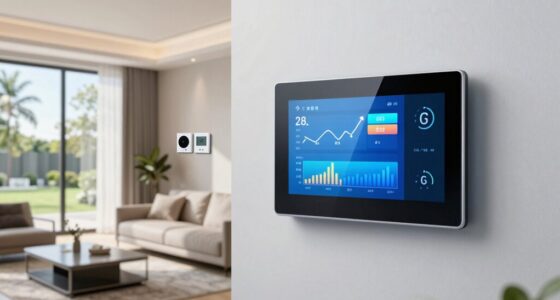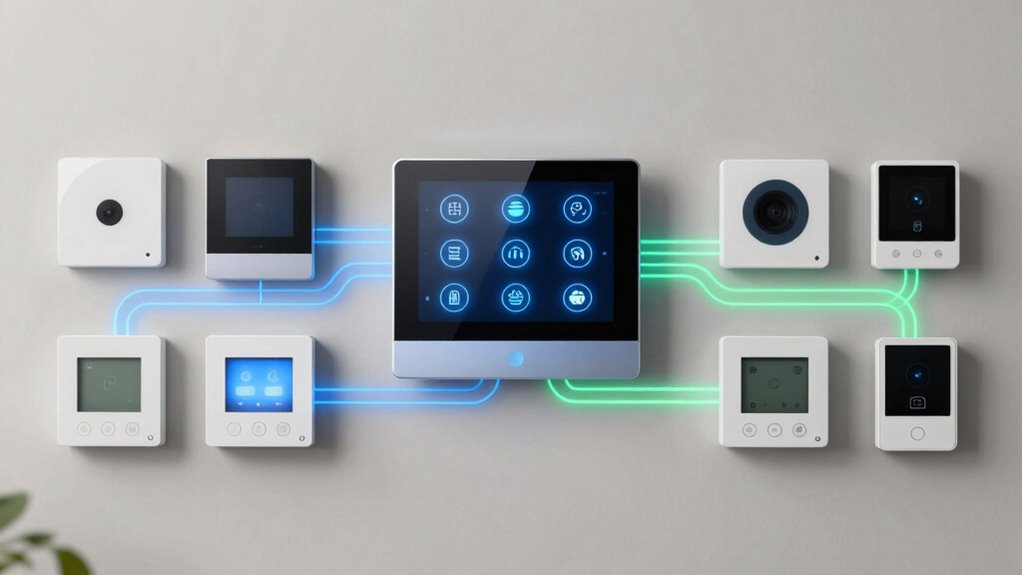

Load balancing in smart homes involves managing your electrical loads intelligently to prevent overloads, save energy, and improve safety. By using smart controllers, sensors, and automation, you can optimize device operation, shift usage to off-peak times, and incorporate renewable energy sources like solar power. Real-time monitoring helps detect high consumption and adjust systems accordingly. Keep exploring to see how these strategies can make your home more efficient and resilient.
Key Takeaways
- Load balancing distributes electrical power evenly among devices to prevent overloads and ensure smooth operation.
- Smart meters and sensors monitor real-time energy consumption for effective load management.
- Automated systems prioritize critical devices and schedule off-peak usage to optimize energy efficiency.
- Integration of renewable energy sources and energy storage supports sustainable load balancing.
- Surge protection and compatibility enhancements safeguard devices and improve system reliability.

TP-Link Internal Universal Power Supply Load Balance Broadband Router (TL-R470T+)
Up to 4 WAN ports equipped with Advanced load balance to guarantee maximum Bandwidth and backup capabilities
As an affiliate, we earn on qualifying purchases.
As an affiliate, we earn on qualifying purchases.
Understanding Load Balancing in Smart Homes

Have you ever wondered how smart homes manage multiple devices drawing power at the same time? Load balancing is the key, ensuring all gadgets operate smoothly without overloading the system. It improves energy efficiency by distributing power evenly, preventing unnecessary energy waste. With load balancing, you can customize your home’s energy consumption to fit your lifestyle, prioritizing essential devices or reducing usage during peak hours. This technique also supports home safety by reducing the risk of electrical overloads and potential fires. Additionally, smart systems utilize real-time monitoring to continuously track power usage and make immediate adjustments, helping to prevent overloads before they occur. Incorporating power management strategies further optimizes energy flow, making your smart home more efficient. Smart grid technology plays a crucial role in managing large-scale energy distribution and ensuring stability across connected devices. This not only helps save money but also extends the lifespan of your appliances. By integrating advanced automation, smart home systems can dynamically adjust power distribution based on real-time needs, increasing overall reliability. Smart home systems continuously monitor and adjust power distribution in real-time, providing seamless control. User customization allows you to set preferences based on your routines, making load balancing both effective and personalized. This way, your home stays efficient, reliable, and tailored to your needs.
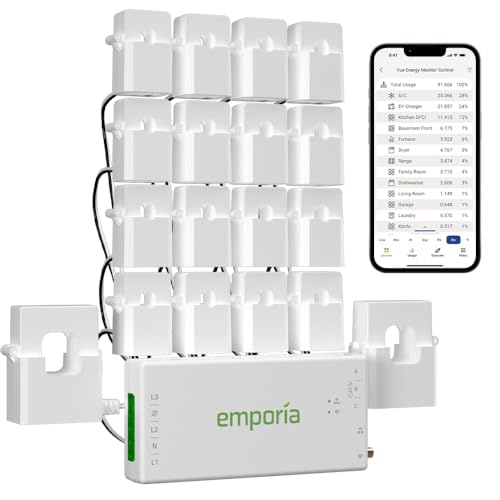
Emporia Vue 3 Home Energy Monitor – Smart Home Automation Module and Real Time Electricity Usage Monitor, Power Consumption Meter, Solar and Net Metering for UL Certified Safe Energy Monitoring
SAFETY YOU CAN TRUST WITH UL CERTIFICATION: With Emporia Energy, your home energy monitoring is safe, reliable, and…
As an affiliate, we earn on qualifying purchases.
As an affiliate, we earn on qualifying purchases.
Key Benefits of Effective Load Management
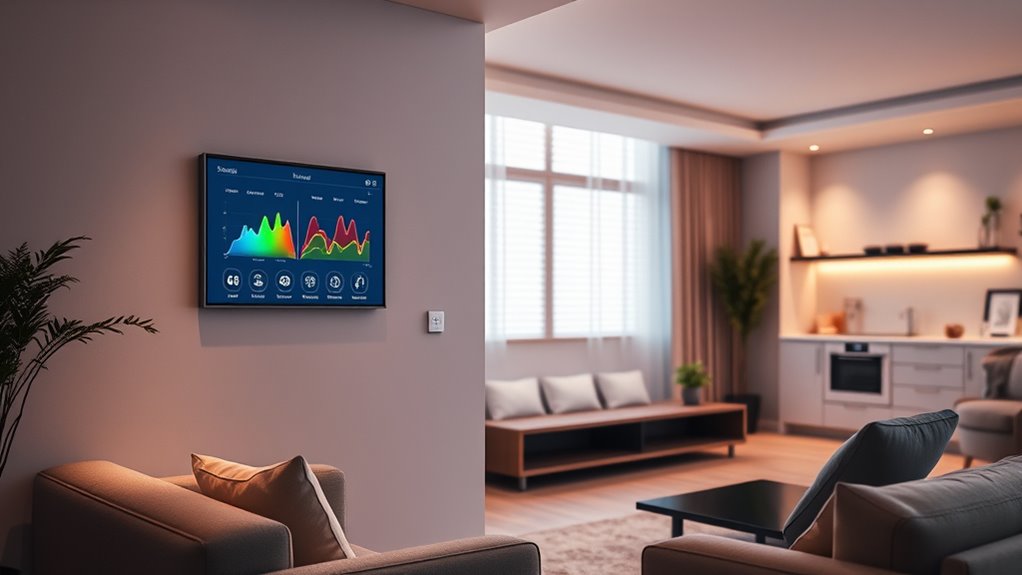
Effective load management offers numerous advantages for your smart home, enhancing both efficiency and convenience. By balancing energy use, you reduce waste and improve energy efficiency, which helps lower your utility bills. When appliances and devices operate during off-peak hours or are scheduled intelligently, you experience direct cost savings. Additionally, optimized load distribution prevents overloads, protecting your appliances and extending their lifespan. You’ll notice a smoother energy flow and fewer disruptions, making daily routines more seamless. Effective load management also allows you to monitor consumption patterns, giving you better control over your energy use. Understanding safe installation practices in home charging setups ensures your system remains reliable and secure. Proper load balancing techniques can further optimize your system for maximum efficiency. Incorporating smart home automation can enhance your ability to manage energy loads dynamically, leading to even greater savings and system reliability. Considering energy consumption awareness helps you identify opportunities for further improvement and sustainability. Staying informed about load management strategies empowers you to make smarter choices for your home energy system. Overall, implementing smart load balancing not only saves money but also contributes to a more reliable, eco-friendly home environment.
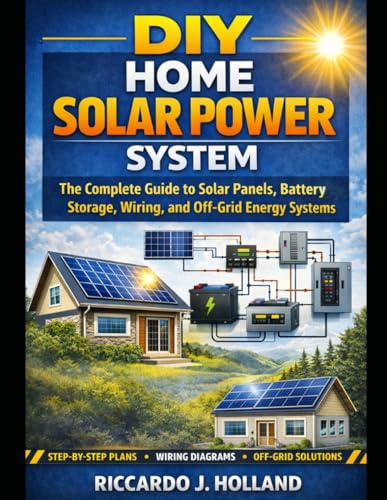
DIY Home Solar Power System: The Complete Guide to Solar Panels, Battery Storage, Wiring, and Off-Grid Energy Systems
As an affiliate, we earn on qualifying purchases.
As an affiliate, we earn on qualifying purchases.
Common Challenges in Smart Home Load Distribution

You might face power spikes and surges that disrupt your smart home devices, causing inconvenience or damage. Device compatibility issues can make it difficult to integrate new gadgets smoothly. Additionally, network bandwidth limitations can slow down your system’s performance and hinder proper load distribution. To address these challenges, understanding smart-home integration can help you optimize device coordination and improve overall system stability. Implementing energy-efficient cloud solutions can also enhance system resilience and reduce energy consumption, ensuring a more sustainable smart home environment. Moreover, considering power management systems can help mitigate fluctuations and protect your devices effectively, especially when incorporating advanced load balancing techniques that adapt to changing demands dynamically. Being aware of vetted wave and wind solutions can further improve stability and energy efficiency in your smart home setup.
Power Spikes and Surges
Why do power spikes and surges pose such a significant challenge in smart home load distribution? These sudden increases in voltage can damage sensitive devices and disrupt your system’s balance. Power spikes often occur due to electrical faults, lightning strikes, or high-demand appliances turning on unexpectedly. Surges can overload circuits, causing failures or reducing device lifespan. To protect your smart home, surge suppression devices are essential—they absorb or redirect excess voltage, preventing damage. Managing these spikes involves not only installing surge protectors but also designing a load distribution system that minimizes vulnerability to sudden voltage changes. Additionally, understanding electrical fault causes can help in implementing more effective preventative measures. Properly load balancing is critical to evenly distribute electrical demand and reduce the risk of overloads. Incorporating smart monitoring systems can also provide real-time alerts to detect abnormal voltage fluctuations early. Regular maintenance and preventative measures like installing dedicated circuits for high-power appliances can further improve your home’s resilience against electrical anomalies. By addressing power spikes proactively, you ensure your smart home remains reliable, and your devices stay safe, maintaining smooth operation despite the unpredictable nature of electrical surges.
Device Compatibility Issues
Device compatibility issues often complicate load distribution in smart homes, as not all devices are designed to handle the same power levels or communication protocols. Some devices may require specific protocols, making protocol interoperability essential for seamless integration. When devices can’t communicate effectively, it hampers load balancing efforts, potentially causing overloads or underperformance. You might find that older or non-standard devices don’t support the latest protocols, forcing you to update or replace equipment. Ensuring device compatibility involves selecting devices that adhere to common standards and support interoperability. This is where standardized protocols become crucial, simplifying the integration process and enhancing system reliability. Addressing compatibility challenges upfront avoids disruptions, reduces troubleshooting, and guarantees your smart home operates smoothly and safely. Standardization in device features can greatly reduce these issues and streamline integration efforts. Additionally, consulting compatibility guides can help you identify suitable device combinations for your setup.
Network Bandwidth Limitations
Network bandwidth limitations pose a significant challenge to efficient load distribution in smart homes. When multiple devices stream videos, run smart appliances, or connect wirelessly, wireless interference can diminish available bandwidth. Bandwidth throttling by your internet provider further restricts data flow, causing lag and dropped connections. To manage this, you need to understand how bandwidth is allocated:
| Issue | Impact |
|---|---|
| Wireless interference | Decreases effective bandwidth |
| Bandwidth throttling | Limits data transfer speeds |
| Device congestion | Overloads network resources |
| Load balancing needs | Ensures smooth device performance |
Addressing these issues requires prioritizing critical devices and optimizing network settings to minimize interference and throttling effects.
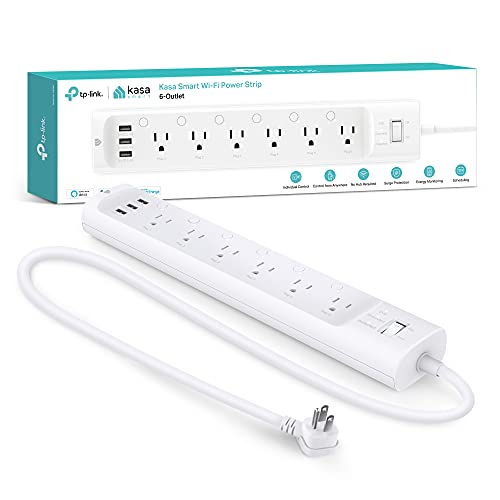
Kasa Smart Plug Power Strip HS300, Surge Protector with 6 Individually Controlled Smart Outlets and 3 USB Ports, Works with Alexa & Google Home, No Hub Required
6 smart outlets: Independently control 6 smart outlets, and charge 3 devices with built in USB ports; Ideal…
As an affiliate, we earn on qualifying purchases.
As an affiliate, we earn on qualifying purchases.
Techniques for Distributing Electrical Loads

How can smart homes effectively balance their electrical loads to prevent overloads and optimize energy use? One technique involves integrating wireless charging systems that manage power distribution to compatible devices, reducing peak demand. Energy harvesting also plays a role by capturing ambient energy—like solar or kinetic sources—and supplying small loads independently, easing the overall electrical burden. Smart load balancing algorithms analyze real-time consumption data and automatically shift or stagger appliance use, preventing overloads. Smart meters and sensors monitor demand patterns, enabling precise control. These methods work together to distribute electrical loads efficiently, improve energy savings, and reduce strain on the grid. By combining wireless charging, energy harvesting, and intelligent management, you create a safer, more efficient smart home environment.
Role of Smart Controllers and Automation Systems
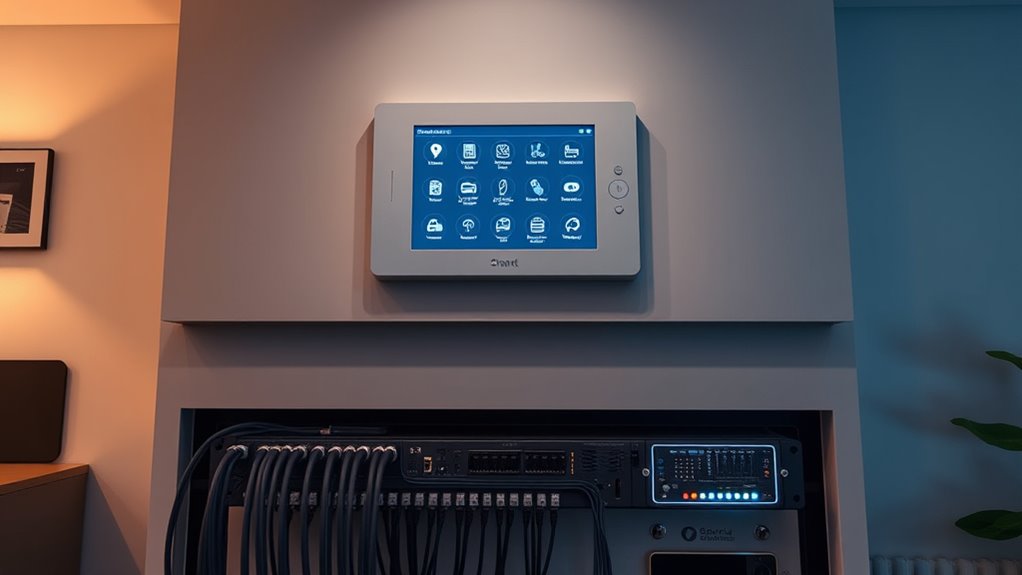
Smart controllers and automation systems play a crucial role in maintaining balanced electrical loads by continuously monitoring energy consumption and making real-time adjustments. They optimize device operation, prevent overloads, and improve efficiency. A smart thermostat adjusts temperature settings based on occupancy and preferences, reducing unnecessary energy use. Lighting automation manages lighting schedules and intensity, conserving power during low-usage periods. These systems prioritize energy distribution, ensuring critical devices receive power without overloading circuits.
| Function | Benefit |
|---|---|
| Smart thermostat control | Energy-efficient climate management |
| Lighting automation | Reduced power wastage |
| Real-time load adjustment | Prevents overloads and ensures stability |
Integrating Renewable Energy Sources for Balance

Integrating renewable energy sources such as solar panels and wind turbines into your smart home system helps balance energy demand and supply efficiently. Solar panels convert sunlight into electricity, providing a clean, renewable power source during the day. Wind turbines generate energy from wind, especially useful during windy periods or at night. By incorporating these sources, you can reduce reliance on the grid and optimize energy usage. Your smart home system can monitor production levels, store excess energy, and adjust consumption accordingly. This integration guarantees a more sustainable and cost-effective approach to energy management. When solar and wind energy production exceeds your home’s needs, excess power can be stored or fed back into the grid, further supporting load balancing and reducing energy costs.
Monitoring and Analyzing Energy Usage

Have you ever wondered where most of your home’s energy goes? Monitoring and analyzing energy usage helps you identify high-consumption appliances and patterns. By tracking energy data, you can:
Tracking your home’s energy use reveals high-consumption appliances and patterns for smarter efficiency.
- Detect inefficient appliances needing maintenance
- Spot unnecessary energy waste
- Optimize usage during off-peak hours
- Improve overall energy conservation efforts
Using smart meters and energy management systems, you gain real-time insights into your consumption habits. This knowledge allows you to make informed decisions, ensuring your appliances run efficiently and reducing costs. Regular appliance maintenance becomes easier when you understand their energy impact. Ultimately, this active monitoring empowers you to balance energy loads effectively, making your home smarter and more sustainable.
Practical Strategies for Homeowners
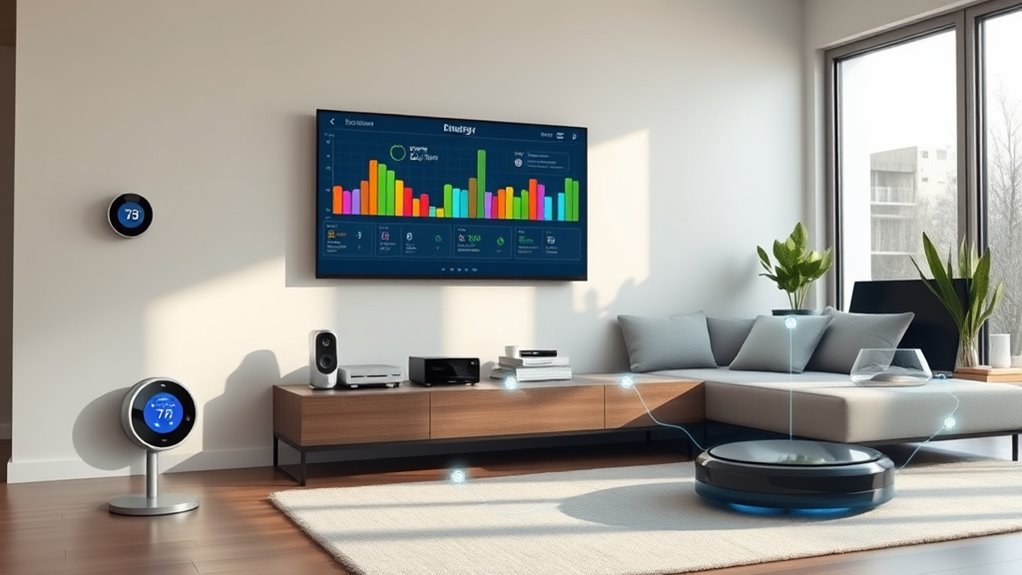
To effectively balance energy loads in your home, start by prioritizing simple, actionable strategies. Use battery storage to store excess energy during low-demand periods and release it when needed, reducing reliance on the grid. Optimize your appliance usage by scheduling high-consumption devices during off-peak hours. Engage in grid interaction by participating in demand response programs, which can earn you incentives. Consider integrating smart thermostats and lighting controls to manage energy consumption efficiently. Here’s a quick overview:
| Strategy | Benefit |
|---|---|
| Battery Storage | Stores surplus energy, ensures backup power |
| Grid Interaction | Reduces costs, supports grid stability |
| Off-peak Scheduling | Lowers energy bills, eases grid demand |
| Smart Thermostats | Maintains comfort efficiently |
| Automated Controls | Minimizes waste, maximizes load balancing |
Future Trends in Smart Home Load Optimization

Future smart home load optimization will increasingly rely on AI-driven energy management systems that adapt to your usage patterns in real time. You’ll also see more integration with renewable sources like solar panels, making your energy consumption more sustainable. These technologies will help you save costs while reducing your environmental impact.
AI-Driven Energy Management
How will artificial intelligence revolutionize energy management in smart homes? AI enables real-time, adaptive control, optimizing energy use while maintaining smart home aesthetics. It learns your habits, adjusting heating, cooling, and appliance schedules for efficiency. This reduces costs and environmental impact without sacrificing comfort. However, user privacy concerns remain a challenge, as AI systems collect and analyze significant personal data. To address this, privacy-preserving techniques are integrated into the systems. Additionally, AI-driven energy management offers benefits like:
- Enhanced customization of energy profiles
- Reduced energy waste
- Improved system responsiveness
- Seamless integration with existing devices
Integration With Renewable Sources
Are smart homes ready to seamlessly integrate renewable energy sources? With advancements in solar integration, your home can generate clean energy directly from the sun, reducing reliance on the grid. To maximize efficiency, energy storage systems become essential, allowing you to store excess solar power for use during cloudy days or nighttime. This integration helps balance load demands, decreasing energy costs and carbon footprint. As technology evolves, smart home systems will automatically optimize when to draw from solar panels or stored energy, ensuring consistent power supply. You’ll have greater control over your energy consumption, making your home more sustainable and cost-effective. Embracing renewable sources now sets the stage for smarter, greener living in the future.
Frequently Asked Questions
How Does Load Balancing Impact Overall Home Energy Costs?
Load balancing improves your home’s energy efficiency by distributing power demand evenly, preventing overloads and reducing energy waste. This optimized management leads to significant cost savings since you use energy more effectively and avoid costly peak rates. By balancing your smart home systems, you not only lower your electricity bills but also contribute to a more sustainable environment, making your home smarter and more economical in the long run.
What Safety Measures Are Involved in Smart Load Management Systems?
You should guarantee your smart load management system has safety features like device encryption to protect against hacking. It also needs safety measures to prevent fire hazards, such as automatic shutoff if overheating occurs. Regular updates and secure connections keep your system safe. By implementing these, you minimize risks, ensuring your smart home operates efficiently and safely without compromising your security or safety.
Can Load Balancing Prevent Electrical System Overloads?
Yes, load balancing can prevent electrical system overloads by evenly distributing electrical wiring loads across circuits. When your smart load management system detects high usage, it automatically adjusts device operations to avoid overloading circuit breakers. This proactive approach reduces the risk of tripped breakers and electrical fires, ensuring your home’s electrical system stays safe and efficient. Proper load balancing keeps your smart home running smoothly without overloading any part of your electrical wiring.
How Do Smart Homes Handle Sudden Power Surges?
Imagine a lightning strike hitting your smart home’s power line—chaotic, intense, unstoppable. Your smart home handles this with power surge mitigation and surge protection systems that act instantly, absorbing and redirecting excess energy. These systems safeguard your devices from damage, ensuring your home remains safe during sudden power surges. With advanced surge protection, your smart home stays resilient, preventing costly repairs and keeping your connected life uninterrupted.
What Maintenance Is Required for Load Balancing Devices?
You should regularly maintain your load balancing devices by performing device calibration to guarantee accurate power distribution. Additionally, keep the firmware updated to improve performance, fix bugs, and enhance security. Check for updates monthly or as recommended by the manufacturer. Also, inspect cables and connections for wear or damage. These steps help your devices operate efficiently and prevent potential overloads or failures in your smart home system.
Conclusion
By implementing smart load balancing, you can prevent overloads and save energy. Imagine scheduling your dishwasher to run when solar panels generate the most power, reducing bills and environmental impact. With smart controllers and automation, you’re in control of your home’s energy flow. Embrace these strategies today, and turn your smart home into an efficient, sustainable haven that adapts seamlessly to your lifestyle and future energy demands.