
TL;DR

Turn your quiet moments into listening time
- Thousands of audiobooks, podcasts and originals
- Listen on your phone, tablet or Echo — also offline
- Cancel anytime
Tarot card reading continues to be a popular spiritual practice, blending tradition with modern interpretation. This report examines its methods, cultural relevance, and ongoing debates.
Tarot card reading remains a widely practiced form of spiritual guidance and self-reflection, with millions engaging in it worldwide. The practice, rooted in centuries-old traditions, has seen renewed interest in recent years, blending ancient symbolism with contemporary interpretations. This report examines what tarot reading involves today, its cultural relevance, and the ongoing discussions about its legitimacy and role in modern spirituality.
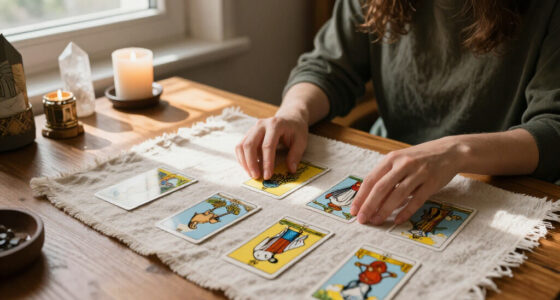
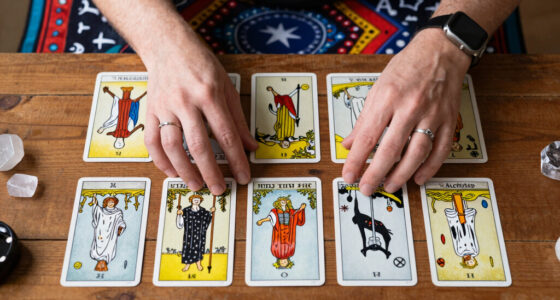
Tarot reading involves the use of a deck of 78 cards, each with symbolic imagery, to provide insights into personal questions, future possibilities, or spiritual guidance. Practitioners interpret card spreads based on symbolism, intuition, and sometimes established systems of meaning. If you’re interested in exploring tarot decks, check out the best tarot card reading kits for 2026. According to experts, tarot is often used as a tool for self-reflection rather than predictive certainty.
While historically associated with mysticism and fortune-telling, contemporary tarot readers emphasize its role in fostering personal insight and mental clarity. For a detailed reading, see Monday’s zodiac-specific tarot readings. The practice has gained mainstream acceptance, with many online platforms offering tarot readings and courses. You might also find it interesting to read about weekly tarot horoscopes for personalized insights. However, some critics question its legitimacy, arguing it lacks scientific basis, while supporters see it as a valuable spiritual tool.
Why Tarot Reading Continues to Influence Modern Spirituality
The continued popularity of tarot card reading reflects a broader cultural interest in spirituality, self-awareness, and alternative practices. For many, tarot offers a non-judgmental space for introspection and decision-making, especially during uncertain times. Its blend of symbolism, psychology, and tradition makes it appealing across diverse demographics. The debate over its legitimacy also highlights ongoing tensions between scientific skepticism and spiritual belief systems, shaping how society perceives mystical practices.
As an affiliate, we earn on qualifying purchases.
Historical Roots and Contemporary Revival of Tarot
Tarot cards originated in 15th-century Europe, initially used for playing games before evolving into tools for divination by the 18th century. Over centuries, tarot has been associated with mysticism, alchemy, and spiritual guidance. In recent decades, the rise of the internet and social media has facilitated a resurgence of interest, with many practitioners sharing interpretations and tutorials online. Today, tarot is both a personal spiritual practice and a commercial enterprise, with a growing market of readers, courses, and merchandise.
“Tarot is less about predicting the future and more about exploring your subconscious and gaining clarity on your current path.”
— Dr. Lisa Montgomery, psychologist and tarot practitioner
As an affiliate, we earn on qualifying purchases.
Debates Over Tarot’s Scientific Validity and Cultural Role
While many practitioners and users find value in tarot, its legitimacy as a predictive tool remains disputed. Critics argue that tarot lacks empirical evidence and is based on subjective interpretation, raising questions about its efficacy. Conversely, supporters claim it offers psychological and spiritual benefits, though these are not universally accepted. It is not yet clear how mainstream scientific communities will reconcile or critique its role in mental health and decision-making processes.
As an affiliate, we earn on qualifying purchases.
Emerging Trends and Future of Tarot in Society
As interest in alternative spirituality grows, tarot is likely to continue evolving with digital platforms, virtual readings, and themed decks targeting diverse audiences. Researchers and skeptics may further scrutinize its psychological effects, while practitioners seek to formalize training and certification. The ongoing cultural debate will shape how tarot is integrated into mainstream wellness practices and spiritual communities in the coming years.
As an affiliate, we earn on qualifying purchases.
Key Questions
Is tarot card reading scientifically proven?
No, tarot reading is not supported by scientific evidence as a method for predicting the future. It is primarily regarded as a tool for self-reflection and psychological insight.
Can anyone learn to read tarot cards?
Yes, many resources, including books, courses, and online tutorials, are available for beginners interested in learning tarot card reading.
Is tarot reading considered a religion?
No, tarot is generally considered a spiritual or psychological practice rather than a religion. However, it is often integrated into various spiritual or metaphysical belief systems.
What should I look for in a professional tarot reader?
Look for someone with reputable experience, clear communication, and positive reviews. Many practitioners also offer introductory sessions to gauge their style and approach.
How does tarot work psychologically?
Many psychologists suggest that tarot works through the power of symbolism, intuition, and personal reflection, helping individuals access subconscious thoughts and feelings.
Source: rss
Halloween Picks
halloween
As an affiliate, we earn on qualifying purchases.