
TL;DR

Turn your quiet moments into listening time
- Thousands of audiobooks, podcasts and originals
- Listen on your phone, tablet or Echo — also offline
- Cancel anytime
Tarot began as a courtly card game in the 15th century and later became associated with divination practices. This transformation reflects broader cultural shifts and evolving perceptions of spirituality.
Tarot cards, once a popular courtly game in Europe during the 15th century, have evolved into a widely used tool for divination and spiritual guidance today. This transformation highlights a significant shift in cultural perceptions of the cards and their purpose, making it a subject of ongoing historical and sociological interest.
Historically, tarot cards originated as a courtly entertainment among European aristocracy, with the earliest known decks dating back to the mid-15th century in Italy. These early decks, called tarocchi, were used for a game similar to modern bridge, not for divination.
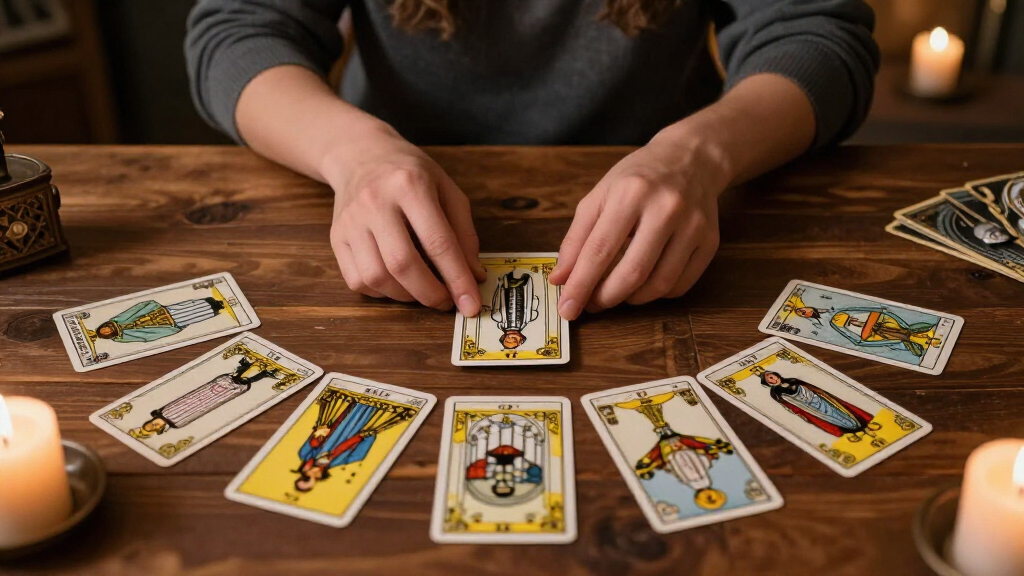
It was only in the 18th and 19th centuries that tarot began to be associated with mystical and esoteric practices. Scholars and spiritualists started interpreting the images on the cards as symbols of hidden knowledge and spiritual insight. The connection to occultism was reinforced by the publication of texts and the rise of secret societies, such as the Hermetic Order of the Golden Dawn.
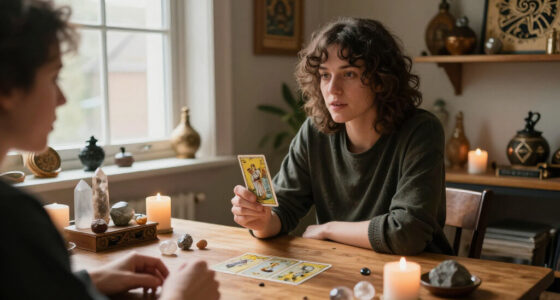
Today, tarot decks are widely used for personal reflection, spiritual guidance, and entertainment. Despite their origins as a game, the cultural perception of tarot has shifted, with many viewing the cards as a tool for accessing subconscious insights or divine guidance, though this is not universally accepted among scholars.
Cultural Shift from Entertainment to Spiritual Tool
The transformation of tarot from a courtly game to a divination instrument reflects broader societal changes in attitudes toward spirituality, mysticism, and the role of symbolism in personal growth. This shift has contributed to the modern popularity of tarot in both spiritual communities and mainstream culture, influencing how people seek meaning and guidance.
As an affiliate, we earn on qualifying purchases.
Historical Origins and Evolution of Tarot Cards
Tarot cards first appeared in Europe during the 15th century as a form of entertainment among aristocratic circles, with decks like the Visconti-Sforza being notable examples. Their use was primarily for playing card games, with no initial association with mysticism.
The association with divination began in the 18th century, when occultists and spiritualists started interpreting the imagery symbolically. The publication of esoteric texts and the influence of secret societies helped embed tarot within mystical traditions, leading to its current spiritual associations.
Over the centuries, the purpose and perception of tarot have continued to evolve, influenced by cultural, religious, and philosophical shifts, making it a complex symbol of both entertainment and spiritual exploration today.
“Tarot’s origins as a courtly game are well-documented, but its later association with mysticism was a gradual process driven by cultural and spiritual movements.”
— Dr. Emily Carter, historian of European culture
meditation and affirmation cards set
As an affiliate, we earn on qualifying purchases.
As an affiliate, we earn on qualifying purchases.
Unresolved Aspects of Tarot’s Transition to Divination
While the broad timeline of tarot’s evolution is well-established, details about how specific images and decks became associated with mystical meanings are still debated among scholars. The extent of influence from secret societies and occult movements versus popular culture remains unclear.
Additionally, the degree to which early card games influenced later mystical interpretations is not fully understood, and some researchers question whether the spiritual associations were always present or developed later.
As an affiliate, we earn on qualifying purchases.
Future Research and Cultural Perspectives on Tarot
Ongoing scholarly research aims to better understand the nuanced history of tarot, including its social and cultural contexts. There is also increasing interest in how modern spiritual communities interpret tarot decks and their symbolism, which may further influence its perception and usage.
As interest in esoteric traditions continues to grow, experts anticipate more detailed historical analyses and debates about the origins and significance of tarot, shaping how future generations understand this complex cultural artifact.
As an affiliate, we earn on qualifying purchases.
Key Questions
When did tarot first become associated with divination?
The association began in the 18th century, when occultists and spiritualists started interpreting the imagery on tarot cards as symbols of mystical and spiritual insights.
Were tarot cards originally designed for spiritual purposes?
No, they were originally created as a courtly card game in 15th-century Europe, with no initial link to mysticism or divination.
How did secret societies influence tarot’s mystical associations?
Organizations like the Hermetic Order of the Golden Dawn promoted esoteric interpretations of tarot imagery, which helped embed the cards within mystical traditions.
Are modern tarot decks based on historical designs?
Many modern decks draw inspiration from historical designs, but contemporary decks often incorporate new symbolism and artistic styles influenced by spiritual and cultural trends.
Is there scholarly consensus on tarot’s origins?
While the general timeline is accepted, detailed aspects of its evolution, especially the transition from game to divination tool, remain subjects of scholarly debate.
Source: rss
Halloween Picks
halloween
As an affiliate, we earn on qualifying purchases.