
TL;DR

Turn your quiet moments into listening time
- Thousands of audiobooks, podcasts and originals
- Listen on your phone, tablet or Echo — also offline
- Cancel anytime
Tarot began as a card game in the 15th century and evolved into a tool for divination over centuries. Its artistic and cultural significance continues to grow, though its spiritual use remains debated.
Tarot, originally created as a card game in 15th-century Europe, has transformed over centuries into a widely used tool for divination and spiritual insight. This evolution reflects its enduring cultural significance and artistic richness, drawing renewed scholarly and public interest.
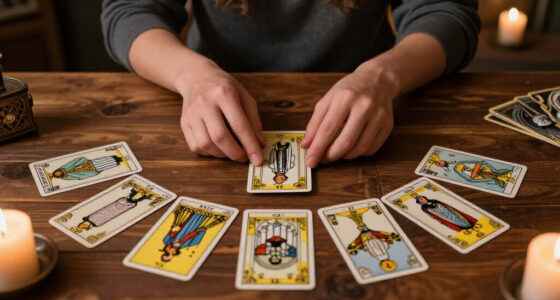
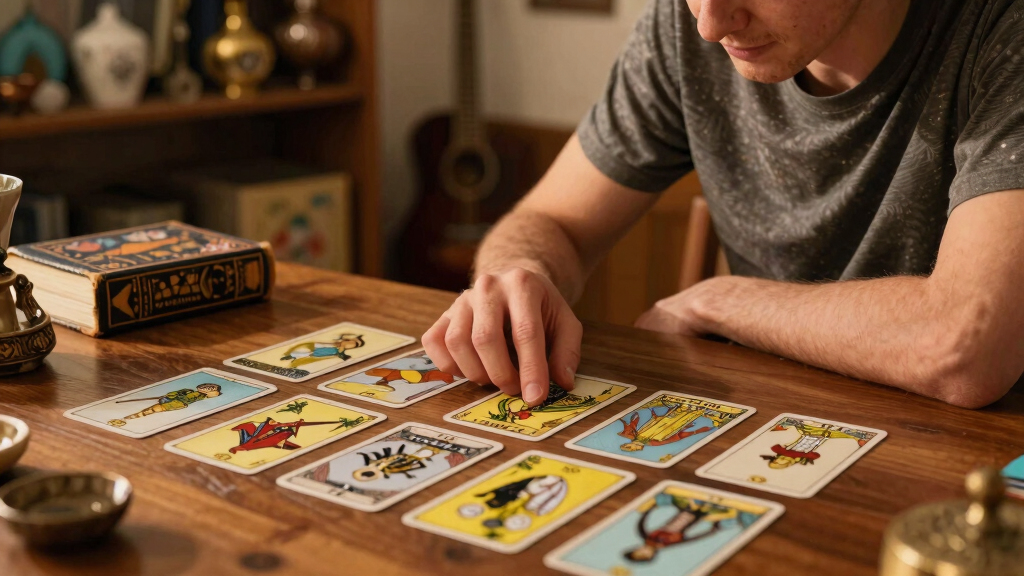
Historically, tarot cards first appeared in Italy and France as a form of entertainment among aristocratic circles. The earliest decks, known as ‘tarocchi,’ were used primarily for playing games until the 18th century, when they began to be associated with mystical and esoteric practices. The shift toward divination gained momentum in the 19th century, influenced by the rise of spiritualism and occult movements. Modern tarot decks often feature elaborate artwork, blending artistic expression with symbolic meanings. Recent exhibitions and academic research have traced this transformation, emphasizing the cards’ artistic and cultural layers. Despite their widespread use today for spiritual guidance, some scholars and critics question the legitimacy of tarot as a predictive tool, emphasizing its historical and artistic roots instead.Cultural and Artistic Impact of Tarot’s Transformation
The evolution of tarot from a card game to a spiritual and artistic phenomenon highlights its enduring cultural relevance. It illustrates how symbols and art can adapt to serve new societal needs, from entertainment to personal growth. Understanding this history enriches appreciation for tarot’s complex symbolism and its role in contemporary spirituality, while also prompting critical reflection on its claims of divination. This transformation underscores broader themes of how cultural artifacts can shift in meaning over time, influencing art, spirituality, and popular culture.As an affiliate, we earn on qualifying purchases.
Historical Roots and Modern Revival of Tarot
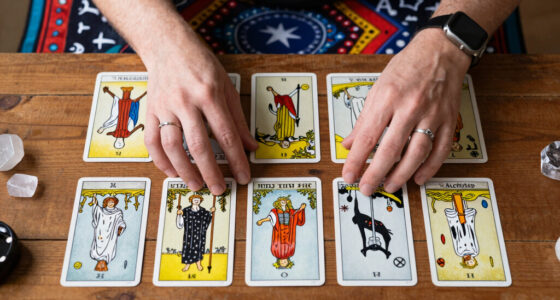
Tarot’s origins trace back to 15th-century Italy, where decks like the Visconti-Sforza were created for playing games among aristocrats. By the 18th century, occultists such as Antoine Court de Gébelin and Éliphas Lévi began to interpret tarot as a mystical tool, linking it to ancient Egyptian symbolism and esoteric knowledge. The 19th and 20th centuries saw the rise of popular decks like the Rider-Waite-Smith, which integrated detailed artwork and symbolism, fueling the modern spiritual use of tarot. Today, tarot remains both a popular form of entertainment and a serious practice for many seeking insight, with new decks and artistic styles continuously emerging. Recent exhibitions and scholarly articles have focused on its artistic evolution and cultural significance, reinforcing its dual role as art and spiritual practice.“Tarot’s journey from a game to a spiritual tool is a reflection of its layered symbolism and artistic richness, which have allowed it to adapt across centuries.”
— Dr. Laura Simmons, art historian
As an affiliate, we earn on qualifying purchases.
Debates Over Tarot’s Divinatory Validity and Future Trends
While there is consensus on tarot’s artistic and historical development, its efficacy as a predictive tool remains disputed among scholars, practitioners, and skeptics. The extent to which tarot influences personal or spiritual outcomes is still debated, and ongoing research continues to explore its psychological and cultural impacts. It is not yet clear how future artistic or spiritual trends will shape tarot’s role in society, especially as new decks and digital platforms emerge.Historical tarot card reproductions
As an affiliate, we earn on qualifying purchases.
As an affiliate, we earn on qualifying purchases.
Emerging Artistic and Cultural Trends in Tarot
Future developments are expected to include innovative artistic decks that blend traditional symbolism with contemporary art, expanding tarot’s cultural reach. Academic research will likely continue to explore its psychological and social impacts, while new digital platforms and apps may make tarot more accessible globally. Additionally, ongoing debates about its spiritual legitimacy will influence how practitioners and critics engage with tarot’s evolving role in society.As an affiliate, we earn on qualifying purchases.
Key Questions
How did tarot evolve from a card game to a spiritual tool?
Tarot’s transformation began in the 18th century when occultists linked the cards to mystical and esoteric traditions, gradually shifting their use from entertainment to divination and spiritual practice.
Are tarot cards considered art or spiritual tools?
Many view tarot as both an art form and a spiritual tool, with its elaborate artwork and symbolism serving cultural, artistic, and spiritual purposes.
Is the use of tarot for divination scientifically supported?
There is no scientific evidence supporting tarot’s efficacy as a predictive tool; its use is generally regarded as a psychological or spiritual practice rather than a scientifically validated method.
What are some recent trends in tarot art?
Recent trends include decks that incorporate contemporary art styles, diverse cultural symbolism, and digital formats, broadening tarot’s artistic and cultural appeal.
Will tarot continue to evolve in the future?
Yes, ongoing artistic innovations, cultural shifts, and technological advances suggest that tarot’s role and form will continue to develop in the coming years.
Source: rss
Halloween Picks
halloween
As an affiliate, we earn on qualifying purchases.