If cleaners leave a haze on your wood floor, it’s often due to incompatible formulas or residues that interact poorly with your finish type. Water-based cleaners can sometimes leave streaks or cloudiness if they aren’t compatible with your particular coating, especially if used improperly or in humid conditions. Oil-based finishes tend to be more forgiving, but any cleaner not designed for your floor’s finish can cause cloudiness. To avoid haze, choosing the right cleaner and application method is key—tons of tips await if you keep exploring.
Key Takeaways
- Certain cleaners can react with finishes, causing a cloudy or hazy film on the wood surface.
- Residual cleaning products or improper removal can leave behind a film that appears as haze.
- Using overly harsh or incompatible cleaners may strip or damage the finish, leading to haze formation.
- Inadequate rinsing or drying after cleaning can trap moisture or residues, resulting in cloudiness.
- Some finishes are sensitive to cleaning agents, and improper cleaning can interfere with their clarity and durability.

Are you wondering which wood floor finish is best for your space? Choosing the right finish isn’t just about aesthetics; it influences how your floors look and how easy they are to maintain over time. One big factor that affects the final appearance is how the finish is applied, especially when it comes to sanding techniques. Proper sanding ensures a smooth surface, which is essential for a flawless finish. If the wood isn’t sanded evenly or thoroughly, you might notice uneven absorption of the finish, leading to a hazy or cloudy look. Additionally, environmental factors play a significant role in the finishing process. Humidity, temperature, and air quality can all impact how the finish cures and bonds to the wood. If you apply a finish in a damp or overly humid environment, it can trap moisture beneath the surface, resulting in a hazy or cloudy appearance that’s difficult to correct.
When selecting a finish, consider the type of wood and your environment. For example, high humidity areas like kitchens or bathrooms require finishes that can endure moisture without turning hazy. Proper sanding techniques are essential here; they prepare the wood to accept the finish evenly and help prevent issues like haze. It’s important to use the right grit of sandpaper and to remove all dust thoroughly before applying the finish. Dust or debris left behind can cause tiny imperfections that may lead to cloudiness or haziness once the finish dries. If you’re working in an environment with fluctuating temperatures or humidity, you should also allow sufficient drying time and maintain a controlled environment during application.
Being aware of the finishing environment and adjusting your process accordingly can make a significant difference in the final look. Some finishes are more sensitive to environmental factors than others. Oil-based finishes, for instance, tend to be more forgiving in less-than-ideal conditions, but they still benefit from a stable environment. Water-based finishes are quicker to dry but can be more prone to haze if not applied correctly or if environmental conditions aren’t suitable. In any case, understanding your environment and implementing proper sanding techniques can drastically reduce the chances of ending up with a hazy or cloudy finish. Always follow manufacturer instructions for application and drying times, and consider using a finishing expert if you’re unsure about the conditions or techniques. Proper preparation, application, and environmental control ensure your wood floors will look clear, smooth, and stunning for years to come.

Quick Shine Multi Surface Floor Finish 64oz | Cleaner & Polish to use on Hardwood, Laminate, Luxury Vinyl Plank LVT, Tile & Stone | Safer Choice w/Clean Shine Technology | Shine-Protect-Refresh
Use on Hardwood, Laminate, LVT-Luxury Vinyl Tile, LVP-Luxury Vinyl Plank, Tile or Stone floors
As an affiliate, we earn on qualifying purchases.
As an affiliate, we earn on qualifying purchases.
Frequently Asked Questions
How Often Should Wood Floors Be Resealed?
You should reseal your wood floors every 3 to 5 years, depending on foot traffic and wear. Regular floor maintenance, like cleaning and avoiding harsh chemicals, helps prolong the resealing frequency. Keep an eye out for signs of wear, such as dullness or scratches, which indicate it’s time to reseal. Proper resealing maintains your floor’s shine and protects the finish, ensuring long-lasting beauty and durability.
Can I Use Vinegar to Clean Wood Floors?
Imagine a gentle rain washing over a polished surface—that’s what DIY cleaning with vinegar feels like. You can use vinegar to clean wood floors, but beware of vinegar risks like damaging the finish or causing discoloration. If you decide to try, dilute it with water and avoid soaking the floor. Otherwise, opt for cleaners specifically designed for wood to keep your floors looking their best without harm.
What Causes Streaks After Applying Finish?
Streaks after applying a finish happen because of residual chemicals left on the surface or uneven application. When you don’t properly clean or prep the floor beforehand, leftover residues can cause streaks, and applying finish unevenly intensifies the problem. To avoid this, guarantee you thoroughly clean the wood, remove all residues, and apply the finish evenly with smooth, consistent strokes. This helps achieve a flawless, streak-free look.
Is It Safe to Walk on Wet Finish?
It’s generally safe to walk on wet finish once it’s fully dry, but you should avoid walking on it while still wet to prevent smudges or damage. A safety concern arises if you walk on a wet finish before it sets, as it can become slippery and cause accidents. Always follow the manufacturer’s drying time instructions to make certain of safety and avoid damaging your freshly finished wood floor.
How Long Does a Typical Wood Floor Finish Last?
A typical wood floor finish lasts about 3 to 10 years, depending on its finish durability and your maintenance schedule. You can extend its life by regularly cleaning with appropriate products, avoiding excess moisture, and reapplying a fresh coat when it starts to show wear. Proper upkeep keeps your floors looking their best and helps prevent premature damage, ensuring your investment stays beautiful longer.

Nature's Miracle Hard Floor Cleaner, 24 Ounces, Dual-Action Stain and Odor Remover Works to Remove Tough Pet Stains and Odors On Sealed Wood and Hard Floor Surfaces
DUAL-ACTION STAIN & ODOR REMOVER: Helps destroy tough pet stains & removes odors"
As an affiliate, we earn on qualifying purchases.
As an affiliate, we earn on qualifying purchases.
Conclusion
Choosing the right wood floor finish can make all the difference; it’s the foundation for lasting beauty. While some cleaners promise a sparkling shine, they can leave behind a haze, dulling your floors instead of enhancing them. Like a clear sky overshadowed by clouds, the wrong cleaner can obscure your finish’s true beauty. So, invest in the right products and techniques—because a flawless finish isn’t just about shine, it’s about clarity and care.

HYCHIKA Detail Sander, 14,000 OPM Compact Electric Sander Tool with 12 Pcs Sandpapers,Efficiency Dust Collection System,Suitable for Tight Spaces Sanding,Polishing,Removing Paint in Home Decoration
🍀[Quiet and Efficient] – HYCHIKA detail sanders run at 1.6 amps and up to 14,000 orbits per minute;…
As an affiliate, we earn on qualifying purchases.
As an affiliate, we earn on qualifying purchases.
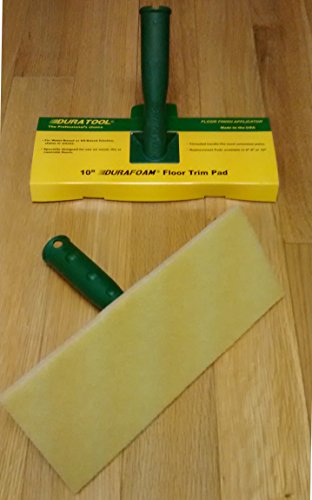
Duratool Durafoam 10" Floor/trim Pad Paint and Finish Applicator with Handle #8040
10" Applicator for Super Smooth Paint, Stain and Finish Application
As an affiliate, we earn on qualifying purchases.
As an affiliate, we earn on qualifying purchases.