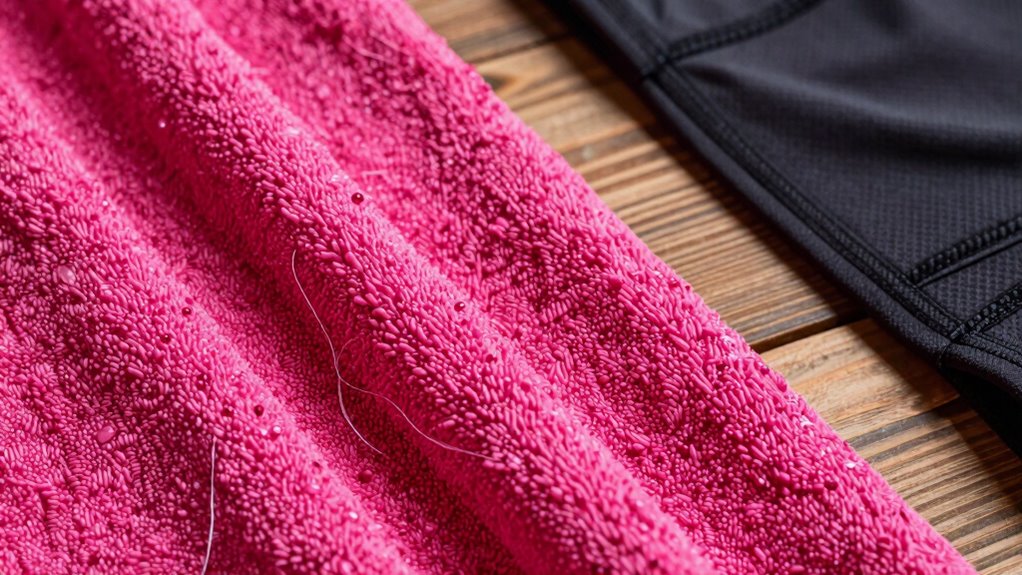
Fabric softeners may make your towels and athletic gear feel soft initially, but over time, they cause buildup that leaves fibers coated. This buildup can make fabrics stiffer, less absorbent, and less breathable, ultimately reducing their performance and comfort. Many believe softeners keep clothes smelling fresh longer, but fragrances fade quickly. Continuing with softeners can harm fabric quality — if you want to discover effective ways to keep your laundry feeling and smelling great, there’s more to learn.
Key Takeaways
- Fabric softeners initially make towels and athletic gear feel softer but cause chemical buildup over time.
- Long-term use can reduce fabric absorbency in towels and impair moisture-wicking in athletic apparel.
- Many believe softeners prolong fresh scent, but fragrances fade quickly, especially with frequent washes.
- Alternative methods like scent boosters and proper washing techniques better maintain freshness without buildup.
- Excessive softener use can stiffen fabrics and negatively impact textile durability and performance.
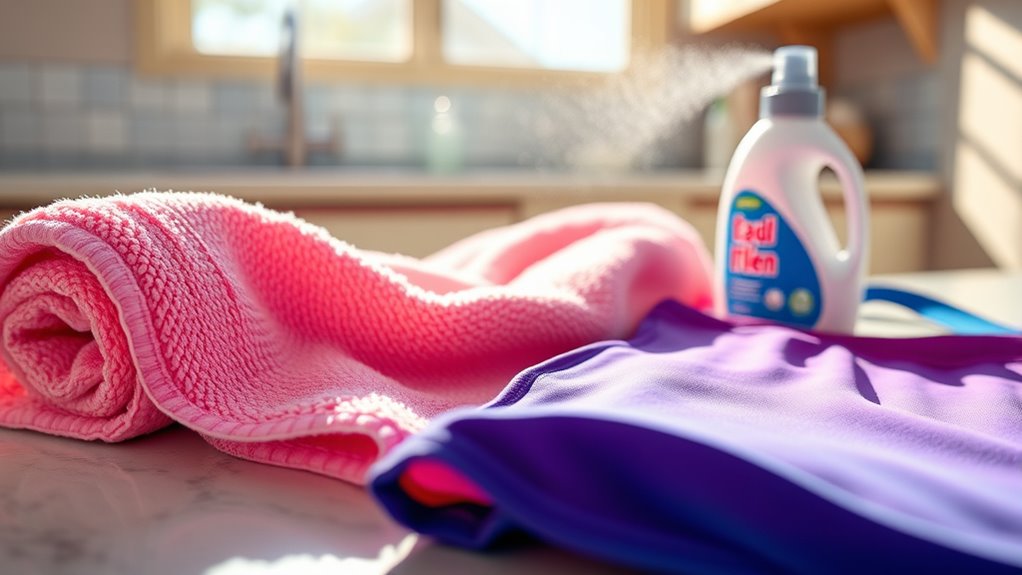
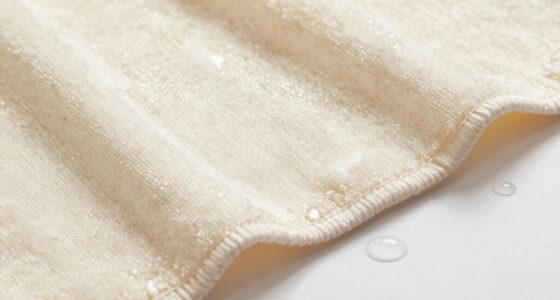
Many people believe fabric softeners are essential for soft, fresh-smelling laundry, but some common myths about their use can lead to misunderstandings. One of the most widespread misconceptions is that fabric softeners always improve the feel and scent of your clothes. In reality, while they can make fabrics feel softer initially, they may cause fiber buildup over time. This buildup occurs because softeners coat fibers with a thin layer of chemicals, which can accumulate with repeated use. Over time, this coating can make fabrics feel less plush and more stiff, especially on items like towels and athletic gear. The softening effect may diminish as fibers become clogged, reducing the fabric’s natural absorbency and breathability. Additionally, smart home automation systems can help schedule laundry routines to optimize fabric care and minimize overuse of softeners.
Another myth is that fabric softeners are necessary for scent retention. Many believe that using them will keep clothes smelling fresh longer, but that’s not always true. The fragrances in softeners tend to fade after a few washes, especially if you use high temperatures or wash items frequently. Instead, scent retention relies more on proper washing techniques, like using laundry detergents with scent boosters or adding scent beads. Relying solely on softeners for fragrance can lead to dissatisfaction because your clothes won’t smell as fresh as you expect after multiple washes. Furthermore, some softeners can interfere with the scent-retaining properties of specialized laundry products, diminishing their effectiveness.

Ultra Pain Relief Cooling Pillow for Neck Support, Adjustable Cervical Pillow Cozy Sleeping, Odorless Ergonomic Contour Memory Foam Pillows, Orthopedic Bed Pillow for Side Back Stomach Sleeper
REVOLUTIONIZE YOUR SLEEP WITH THE INNOVATIVE HOLLOW CONCAVE DESIGN - Tired of waking up with neck pain and...
As an affiliate, we earn on qualifying purchases.
Frequently Asked Questions
Can Fabric Softener Cause Allergies or Skin Irritation?
Yes, fabric softener can cause allergies or skin irritation. You might notice skin reactions if you’re sensitive or have allergy triggers, especially on sensitive skin. Softeners contain chemicals that can irritate or inflame your skin, leading to redness, itching, or hives. If you’re prone to allergies, consider skipping fabric softeners or choosing hypoallergenic options to reduce your risk of skin reactions and avoid aggravating allergy triggers.
Does Fabric Softener Affect the Lifespan of Towels and Athletic Gear?
Think of fabric softener residue as a gentle whisper that coats your towels and athletic gear, gradually dulling their vibrancy. Over time, it breaks down fibers, causing them to wear thin and lose their original strength. The scent retention might be tempting, but that lingering fragrance can trap residues, making gear less durable. Regular rinsing and skipping softener help preserve their lifespan, keeping your favorites feeling fresh longer.
Are There Eco-Friendly Fabric Softener Options Available?
Yes, eco-friendly fabric softener options are available. You can choose products with biodegradable formulas and plant-based ingredients, which are gentler on your clothes and better for the environment. These softeners work effectively without using harsh chemicals, helping you maintain the quality of your towels and athletic gear while reducing your ecological footprint. Look for labels highlighting these features to make a more sustainable choice with every wash.
How Does Fabric Softener Impact the Absorbency of Towels?
Fabric softener can reduce your towel’s absorbency by creating a fiber coating that diminishes its ability to soak up moisture. This coating interferes with moisture retention, making towels less effective after multiple washes. You might notice your towels feel softer initially, but over time, their ability to dry you off diminishes. To keep towels absorbent, consider skipping fabric softener or choosing eco-friendly options that don’t hinder fiber performance.
Can Fabric Softener Be Used With All Types of Athletic Fabrics?
Using fabric softener on athletic fabrics is like coating a sponge with oil—it can block the fibers from wicking moisture. It’s generally safe for natural fibers like cotton but not recommended for synthetic fabrics, such as polyester or nylon, because it can reduce their breathability and moisture-wicking abilities. Always check care labels; if in doubt, skip the softener to keep your gear functional and comfortable.

Bedsure Cooling Comforter Queen Size - Cooling Blankets for Hot Sleepers, Lightweight Comforter for Summer with Dual-Sided Cool Tech, Soft Breathable Cold Blanket for Sleeping, Grey, 88x88 Inches
BALANCED COOLNESS: Crafted with Bedsure’s cooling fabric, this double-sided cooling sleep bedclothes delivers an instant 4°F cooler sensation...
As an affiliate, we earn on qualifying purchases.
Conclusion
So, next time you reach for fabric softener, remember that it can reduce towel absorbency by up to 20% and may harm athletic gear’s moisture-wicking ability. Despite myths, many people still believe it’s harmless. But with over 60% of consumers unaware of its impact on performance and absorbency, it’s clear you should think twice. Choosing alternatives like vinegar or dryer balls can keep your fabrics soft without sacrificing their function or longevity.

Nuzzle Pillows Standard Size Set of 2 Cooling Adjustable Pillows for Side Sleepers, Luxury Hotel Collection Bed Pillows – Best Adjust Height Soft Firm Pillows for Back, Stomach and Side Sleepers
3-IN-1 ADJUSTABLE PILLOW: Designed for perfect spinal alignment, the Nuzzle pillow adapts to your sleep position. The slim...
As an affiliate, we earn on qualifying purchases.

Beckham Hotel Collection Bed Pillows Standard/Queen Size Set of 2 - Original Soft Down Alternative Pillow for Sleeping - Soft Support for Back, Stomach or Side Sleepers
SUPERIOR COMFORT - Queen pillows have a 250 thread count Cotton Cover filled with a soft 100% Polyester...
As an affiliate, we earn on qualifying purchases.