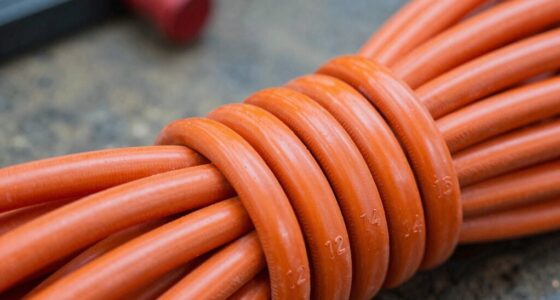
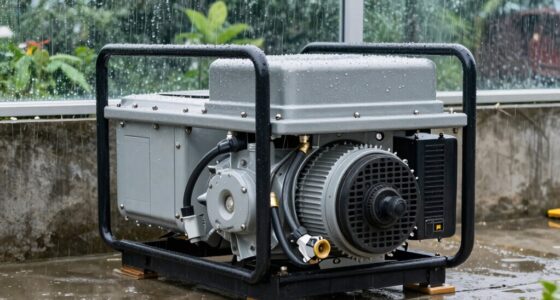
Surge protection devices help shield your electronics from voltage spikes caused by lightning, but they can’t prevent a lightning strike itself or stop the power surge from reaching your devices. Many believe these devices offer total security, but that’s a misconception. They reduce damage but aren’t foolproof, especially against a direct hit. If you’re interested in understanding what surge protectors can truly do and their limitations, there’s more valuable information ahead.

Turn your quiet moments into listening time
- Thousands of audiobooks, podcasts and originals
- Listen on your phone, tablet or Echo — also offline
- Cancel anytime
Key Takeaways
- Surge protection devices help prevent damage to electronics but do not stop lightning from striking a building.
- They cannot prevent a direct lightning strike or eliminate the risk of lightning hitting structures.
- Surge protectors only divert excess electrical energy; they do not provide complete safety during a strike.
- Relying solely on surge protection creates a false sense of security, so additional safety measures are necessary.
- Proper grounding and lightning safety practices are essential, as surge protectors alone cannot fully prevent lightning damage.
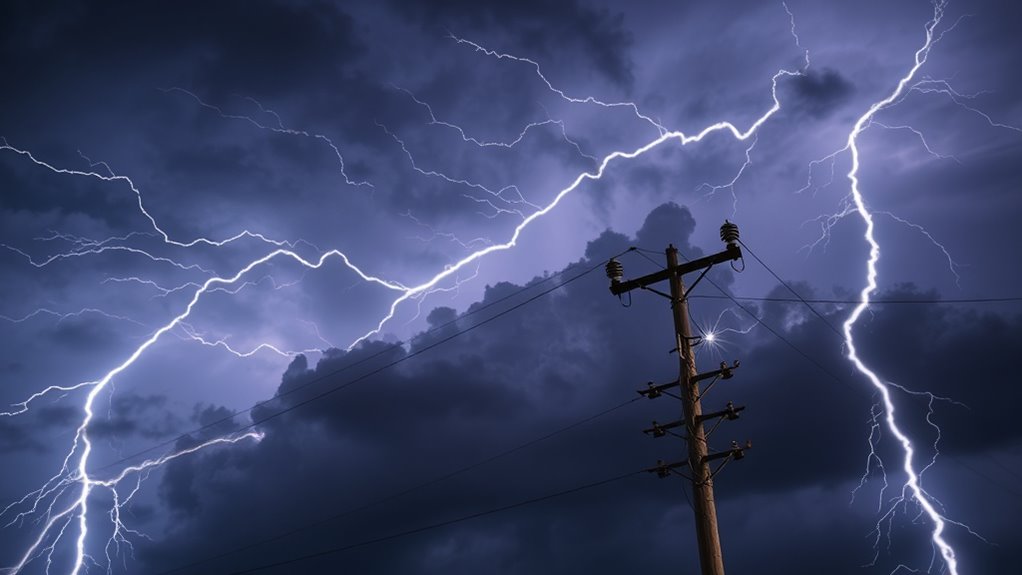
Have you ever wondered what’s true and what’s just a myth about lightning? Many people believe all sorts of things about this powerful natural phenomenon, especially when it comes to protecting themselves and their homes. A common misconception is that certain grounding techniques can prevent lightning strikes or keep you safe during a storm. The truth is, grounding techniques are primarily used to direct electrical energy safely into the ground, reducing the risk of electrical shock or fire in buildings. They do not, however, prevent lightning from striking or make you immune to its danger. If you’re caught outdoors during a lightning storm, your main focus should be lightning safety—finding a safe location, avoiding tall objects, and staying away from open fields. Relying on grounding techniques alone can give a false sense of security, which is dangerous.
Lightning safety involves understanding that lightning can strike anywhere, even far from the storm clouds. It’s not just about the visible lightning bolt; thunder is a good indicator that a storm is nearby, and you should act quickly to protect yourself. If you’re outside and unable to get indoors, avoid isolated trees, metal fences, and open water, which are prime targets for a lightning strike. The myth that lightning never strikes the same place twice is false; in fact, tall structures and prominent objects often get hit repeatedly. That’s why it’s vital to stay alert and take appropriate precautions, like crouching down low and minimizing your exposure.
Many believe that lightning only strikes during thunderstorms, but it’s worth noting that lightning can occur without rain, known as “bolt from the blue.” This reinforces the importance of always being aware of lightning risks, even in seemingly clear weather. If you’re inside, stay away from windows, electrical appliances, and plumbing, which can conduct lightning currents. Remember, proper lightning safety isn’t just about having surge protection—power strips and lightning rods are helpful, but they can’t guarantee absolute safety during a strike. They are designed to protect electrical devices, not to prevent lightning from hitting your property. Surge protection devices can help minimize damage to electronics, but they don’t prevent the actual strike.
Ultimately, understanding what lightning myths are false helps you stay safer. Relying on misconceptions can lead to dangerous situations. The best approach combines awareness, proper grounding techniques in your home’s electrical system, and following lightning safety guidelines. Keep in mind that no protection method can make you entirely safe from a direct lightning strike. Instead, focus on minimizing risk and being prepared. By dispelling common myths and understanding the facts, you can better protect yourself and your loved ones when nature’s electrical power is at its strongest.
Frequently Asked Questions
Can Surge Protectors Prevent All Types of Lightning Damage?
Surge protectors can’t prevent all types of lightning damage because their grounding effectiveness has limits, especially during powerful strikes. They’re designed to handle minor surges, but a direct lightning hit can overwhelm them, causing damage to your devices. Remember, surge protectors have limitations, so for total safety, consider additional grounding measures and unplugging devices during storms. They’re helpful, but not foolproof against every lightning-related event.
Do Surge Protectors Work During a Direct Lightning Strike?
During a direct lightning strike, your surge protector can’t guarantee complete safety. It might divert some energy, but a powerful lightning bolt can overwhelm it, causing damage or failure. That’s why lightning safety emphasizes proper electrical grounding and unplugging electronics during storms. Relying solely on surge protectors isn’t enough; they’re a safeguard, not a shield, against the immense power of a direct lightning strike. Stay safe and always follow lightning safety guidelines.
How Often Should Surge Protectors Be Replaced?
You should replace your surge protector every 3 to 5 years, depending on its lifespan and usage. Over time, its ability to absorb power surges diminishes, reducing protection. Regular replacement ensures your devices stay safe during electrical events. Check for any signs of damage or wear, and follow the manufacturer’s recommendations. Keeping your surge protector up-to-date is essential to maintain maximum defense against power surges.
Are There Different Surge Protection Options for Homes and Businesses?
You might think one size fits all, but homes and businesses actually need different surge protection options. For your house, a simple surge protector with grounding systems usually does the trick. However, businesses often require advanced surge protector types that handle higher energy levels and protect multiple systems. Ironically, the more complex the protection, the more you realize how essential the right grounding systems and surge protector types truly are.
Can Lightning Strikes Damage Appliances Beyond Surge Protectors?
Lightning strikes can damage appliances beyond surge protectors because of grounding effectiveness issues and appliance vulnerability. Even with good surge protection, a direct lightning strike can cause power surges that overwhelm your system, leading to internal damage. You should consider additional measures like whole-house grounding and proper wiring to protect your appliances. Remember, surge protectors are helpful, but they don’t guarantee complete safety against the intense energy from a lightning strike.
Conclusion
Remember, even Zeus himself couldn’t control every strike. Surge protection acts like a trusted shield, deflecting most damage but not all. Don’t rely on it as your only defense, just as heroes don’t fight battles with a single weapon. Stay vigilant, keep safety measures in place, and respect the power of lightning. After all, knowing its limits is the real key to staying safe—because no myth can guarantee total protection.
Halloween Picks
halloween
As an affiliate, we earn on qualifying purchases.