
Grounding in your home’s electrical system is a safety feature that helps prevent shocks, fires, and damage by safely directing stray current into the earth. It connects metal parts like outlets and appliances to grounding rods or pipes, creating a clear path for fault currents. Proper grounding minimizes the risk of electrical hazards and ensures your system works reliably. If you want to understand how safe grounding works and how it protects you, there’s more to explore.

Turn your quiet moments into listening time
- Thousands of audiobooks, podcasts and originals
- Listen on your phone, tablet or Echo — also offline
- Cancel anytime
Key Takeaways
- Grounding directs stray electrical current safely into the earth to prevent shocks and fires.
- It involves connecting metal parts and systems to grounding rods or pipes for safety.
- Proper grounding requires specific materials, techniques, and professional installation per electrical codes.
- Improper or non-compliant grounding can lead to electrical hazards and unsafe conditions.
- Consulting a licensed electrician ensures your home’s grounding system is safe, effective, and code-compliant.

If you’re a homeowner, understanding grounding is essential for keeping your electrical system safe. Grounding acts as a protective measure that helps prevent electrical shocks and reduces the risk of fires caused by electrical faults. When properly grounded, any stray voltage or fault current is safely directed into the earth, protecting you, your family, and your property. It’s important to recognize that grounding isn’t just a safety feature; it’s also a requirement under electrical codes, which set the standards for electrical system safety across homes. These codes specify how grounding should be implemented, ensuring that your system adheres to proven safety practices. Failing to follow electrical codes can lead to unsafe installations, which increases the risk of electrical shock or fire, and may also jeopardize insurance claims or legal compliance.
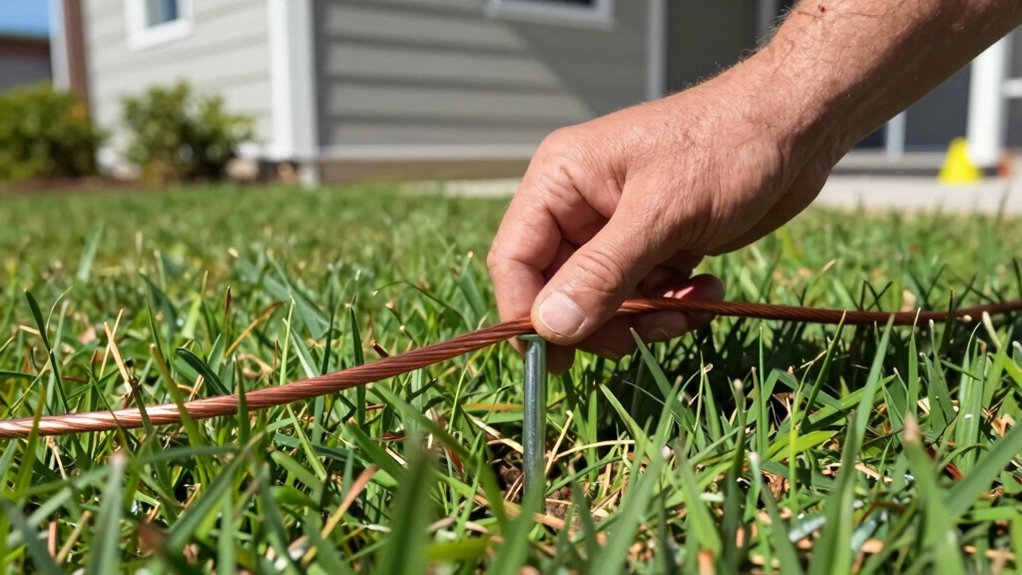
Understanding what grounding is helps you appreciate its role in overall electrical safety. When you have a grounded system, a grounding wire connects your electrical system’s metal parts—like outlets, appliances, and electrical panels—to a grounding rod or metal underground pipe. This connection provides a clear path for fault current to flow safely into the earth, preventing the buildup of dangerous voltages that could cause shocks or damage. Proper grounding also helps in stabilizing voltage levels, making your electrical system more reliable and less prone to power surges. Additionally, proper installation techniques are crucial to ensure the effectiveness of your grounding system.
However, grounding isn’t a DIY project you should undertake without proper knowledge. It requires adherence to electrical codes, which specify the correct materials, grounding methods, and installation procedures. For example, the National Electrical Code (NEC) provides detailed guidelines on grounding systems, including the size and placement of grounding conductors, the type of grounding rods to use, and how to connect everything securely. Ignoring these safety considerations can lead to ineffective grounding, which might give you a false sense of security but actually leaves you vulnerable to electrical hazards. Always hire a licensed electrician to ensure your grounding system meets all safety considerations and complies with electrical codes. They understand the importance of proper grounding and can evaluate your home’s electrical system, making adjustments if necessary.
Frequently Asked Questions
How Often Should Grounding Systems Be Inspected or Maintained?
You should schedule grounding system maintenance and inspections at least every 1 to 3 years, depending on your local codes and environmental conditions. Regular grounding inspection frequency helps identify corrosion, loose connections, or damage early, ensuring your system remains effective. If you notice any signs of wear or electrical issues, perform an inspection sooner. Staying proactive protects your home and maintains proper grounding for safety and equipment performance.
Can Grounding Issues Cause Electrical Fires in Homes?
Grounding issues can be like a ticking time bomb, increasing the risk of electrical fires in your home. Poor grounding safety allows faults to produce dangerous sparks or heat, which can ignite nearby materials. Ensuring your grounding system is properly maintained and inspected helps prevent these hazards, safeguarding your home and loved ones. Regular checks are key to keeping electrical fires at bay and maintaining safe, reliable electrical operation.
Is Grounding the Same as Surge Protection?
Grounding isn’t the same as surge protection, though they work together to keep your home safe. Grounding provides a safe path for electrical faults, preventing shocks and fires, while surge protection devices block excess voltage from damaging your electronics. Understanding grounding differences helps you select the right safety measures. Installing both ensures your home is protected from electrical issues and power surges, giving you peace of mind.
What Are Common Signs of Grounding Problems?
They say “a stitch in time saves nine,” so watch for signs of grounding hazards that threaten your electrical safety. Common signs include frequent tripped circuit breakers, flickering lights, or appliances that hum or malfunction. You might also notice a tingling sensation from appliances or a burning smell. Addressing these issues promptly helps prevent electrical shocks or fires, ensuring your home stays safe and grounded properly.
Do New Homes Require Different Grounding Practices Than Older Homes?
New homes do require different grounding practices compared to older homes, primarily due to updated grounding code standards. You should use modern grounding materials like copper rods and grounding wires that meet current safety regulations. These materials guarantee proper grounding, reducing electrical hazards. Always follow the latest grounding code when installing or upgrading your home’s grounding system to ensure safety and compliance. If unsure, consult a licensed electrician for guidance.
Conclusion
Understanding grounding helps protect your home and loved ones, giving you peace of mind. Some might think it’s unnecessary or complicated, but neglecting it risks dangerous electrical issues. Investing a little time and effort now can prevent costly repairs or accidents later. Remember, your safety and peace of mind are worth it. Don’t wait until it’s too late—take action today to make sure your home is grounded properly and keep your family safe.
Halloween Picks
halloween
As an affiliate, we earn on qualifying purchases.