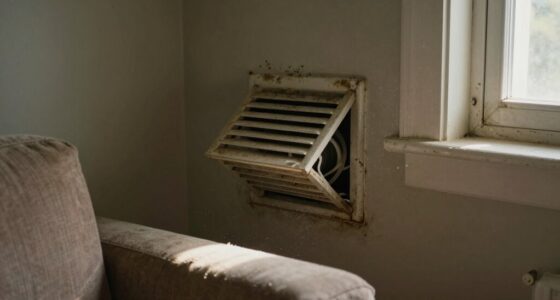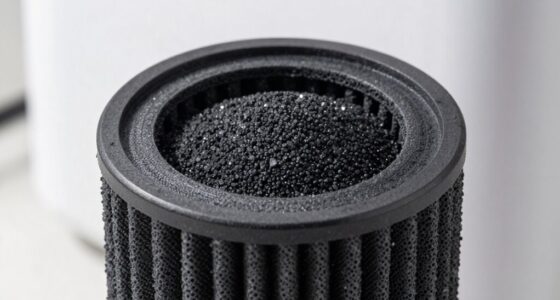

High indoor humidity levels greatly increase dust mite allergens in the air because mites thrive and reproduce faster in moist environments. When humidity exceeds 50%, mite populations grow, releasing more allergens that can trigger allergy and asthma symptoms. Keeping your indoor humidity between 30-40% limits mite activity and reduces allergens. Managing moisture with dehumidifiers and proper ventilation will help create a less hospitable environment for mites, so understanding more can help you protect your health.

Turn your quiet moments into listening time
- Thousands of audiobooks, podcasts and originals
- Listen on your phone, tablet or Echo — also offline
- Cancel anytime
Key Takeaways
- Elevated indoor humidity (>50%) promotes dust mite survival and increases airborne mite allergens.
- Maintaining humidity between 30-40% reduces dust mite populations and allergen dispersal.
- Dust mites thrive in moist environments, releasing allergens into the air through their feces and body fragments.
- Using dehumidifiers and air conditioning helps lower humidity and decrease airborne allergen levels.
- Regular cleaning and allergen-proof covers limit mite habitats and airborne allergen concentrations.

Dust mites are tiny creatures that thrive in household environments, especially in bedding, upholstery,, and carpets. These microscopic pests feed on dead skin cells shed by humans and pets, making your home an ideal habitat. When dust mites flourish, they produce allergens that can trigger allergy symptoms or asthma attacks in sensitive individuals. To reduce your exposure, you need to focus on mite prevention strategies and allergen mitigation.
Dust mites thrive in bedding, upholstery, and carpets, triggering allergies and asthma in sensitive individuals.
One of the most important factors influencing dust mite populations is humidity. High humidity levels create perfect conditions for dust mites to thrive. When the air is moist, it provides an environment where mites can reproduce rapidly and survive longer. Conversely, keeping indoor humidity low makes it harder for mites to establish and persist. You should aim to maintain indoor relative humidity below 50%, ideally around 30-40%. Using a dehumidifier or air conditioner can help you control moisture levels effectively. Ventilating rooms regularly and ensuring bathrooms and kitchens are well-ventilated also reduces excess moisture, limiting dust mite growth.
Mite prevention begins with controlling the environment in your home. Regularly washing bedding in hot water (at least 130°F or 54°C) kills dust mites and removes allergenic particles. Using allergen-proof covers on pillows, mattresses, and box springs creates a barrier that prevents mites from colonizing these surfaces. When cleaning upholstery or carpets, don’t just vacuum superficially—use a vacuum cleaner equipped with a HEPA filter, which traps fine particles and allergen debris. Frequent vacuuming, especially in bedrooms and living areas, minimizes dust accumulation and disrupts mite habitats. Keep clutter to a minimum, as it provides additional places for mites to hide and makes cleaning more difficult.
Additionally, consider replacing carpets with hard flooring in high-traffic or allergy-prone areas. Hard surfaces are easier to clean and don’t harbor mites as easily as carpets do. If you have pets, groom them regularly and wash their bedding to prevent mite transfer. Using allergen sprays or treatments specifically designed for dust mites can also contribute to allergen mitigation, especially when combined with environmental controls. Maintaining proper indoor humidity levels is crucial, as it directly impacts mite populations and allergen presence.
Frequently Asked Questions
How Do Dust Mites Affect Asthma Symptoms?
Dust mite triggers can worsen your asthma symptoms by causing frequent asthma exacerbations. When dust mites are present in your environment, their allergens become airborne, irritating your airways. This triggers inflammation, making it harder to breathe and increasing your asthma attack risk. To reduce these effects, control humidity levels and keep your living space clean. Managing dust mite exposure helps lessen asthma exacerbation and keeps your symptoms more manageable.
Are Dust Mite Allergens Present Outdoors?
Like a hidden villain, dust mite allergens are mostly indoors, but they can occasionally be found outside. You might encounter them when outdoor pollen or air pollution settles on surfaces or drifts into the air. While they’re less common outdoors, high humidity can encourage their presence. Keep in mind, outdoor allergens like pollen and pollution are usually more prevalent, but dust mite allergens can hitch a ride outside under certain conditions.
Can Air Purifiers Eliminate Dust Mite Allergens?
Air purifiers can help reduce dust mite allergens, but their effectiveness depends on allergen filtration quality. Look for models with HEPA filters, as they trap tiny particles like dust mite allergens efficiently. While they won’t completely eliminate allergens, regular use can improve air quality and reduce allergy symptoms. Keep in mind, controlling humidity levels also plays a vital role in minimizing dust mite presence indoors.
What Are Natural Remedies for Dust Mite Allergy?
Tired of sneezing like a broken faucet? You might try herbal remedies like eucalyptus or lavender, which can soothe your symptoms naturally. Acupuncture treatments could also help by boosting your immune response and reducing allergy symptoms. These natural remedies aren’t magic, but they might make your allergy season a little less miserable. Just remember, combining them with good hygiene and humidity control can give you a better shot at relief.
How Does Cleaning Frequency Impact Allergen Levels?
Cleaning frequency directly impacts allergen levels. You should vacuum frequently, ideally twice a week, to reduce dust mite allergens in carpets and upholstery. Washing bedding weekly in hot water also helps eliminate mites and their waste. Regular cleaning disrupts their habitat, lowering allergen exposure. By maintaining a consistent cleaning routine with these practices, you can markedly decrease dust mite allergens in your environment.
Conclusion
If you notice allergy symptoms worsen during humid days, it’s no coincidence. For example, imagine Sarah, who struggled with sneezing and congestion every summer. After adjusting her home’s humidity levels, her symptoms improved dramatically. Controlling humidity isn’t just about comfort—it’s about reducing dust mite allergens. Keep your indoor air dry and well-ventilated, and you’ll likely breathe easier, just like Sarah did. Don’t let humidity fuel your allergies—take control today.
Halloween Picks
halloween
As an affiliate, we earn on qualifying purchases.