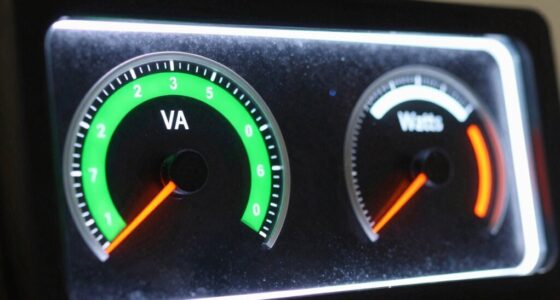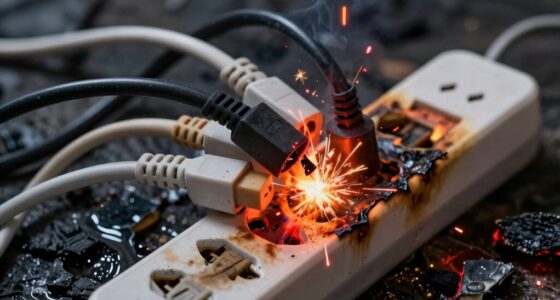
When your extension cord gets hot under load, it’s usually because you’re drawing more current than the cord is rated for, causing heat to build up, especially if the cord is coiled. Coiling traps heat, preventing it from dissipating safely, while poor insulation or loose connections increase resistance and generate more warmth. To prevent overheating, make certain your cord is rated for your needs and avoid overloading or damaging it. Keep exploring to learn how to keep your cords safe and cool.

Turn your quiet moments into listening time
- Thousands of audiobooks, podcasts and originals
- Listen on your phone, tablet or Echo — also offline
- Cancel anytime
Key Takeaways
- Coiled cords trap heat due to limited airflow, causing heat buildup during use.
- High electrical load increases current, generating heat in the insulation and contacts.
- Poor insulation or damaged cords fail to dissipate heat effectively, raising temperature.
- Loose or poor-fitting plugs increase resistance and arcing, leading to excessive heat.
- Overburdening extension cords with multiple devices amplifies current and heat accumulation.
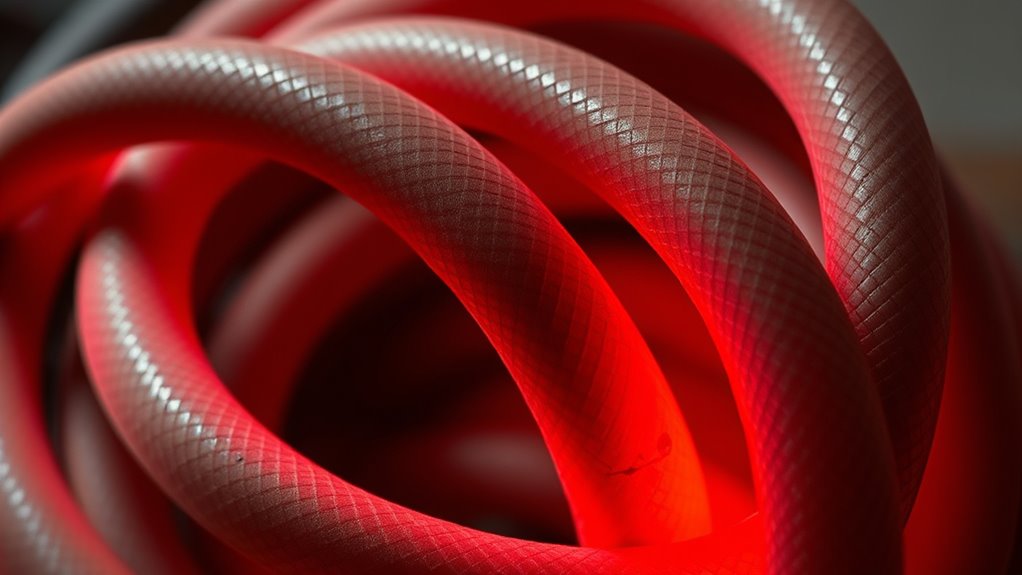
If your extension cords are getting hot, it’s a warning sign that something’s wrong and needs immediate attention. Overheating isn’t just a minor annoyance—it can be dangerous, risking electrical fires or damaging your equipment. One key factor is the quality of the cord insulation. Poor or worn insulation fails to contain the electrical current properly, leading to heat buildup along the cord. When the insulation isn’t robust enough to handle the load, it causes friction and resistance, which generate heat. If you notice the cord feels warm or hot to the touch, it’s a sign that the insulation isn’t doing its job effectively, and you should stop using the cord immediately to prevent risks. Additionally, cord safety is crucial to prevent hazards associated with electrical overloads and overheating.
If your extension cord feels warm, it signals potential insulation failure and a safety hazard.
Another important aspect often overlooked is plug design. Not all extension cords are created equal, and the design of the plug can considerably influence heat generation. A plug with a loose connection, for example, can cause arcing—sparks that jump between the plug and outlet—producing excessive heat. Conversely, a poorly fitting plug or one with a subpar contact point can create resistance, which in turn results in heat buildup. When shopping for extension cords, opt for those with well-designed plugs that fit snugly into outlets and have secure, high-quality contacts. This minimizes resistance and reduces the chance of overheating under load.
Using an extension cord with inadequate cord insulation or a poorly designed plug can compound the problem, especially when you’re drawing high currents. As you connect multiple devices or run appliances that demand significant power, the load increases, and so does the heat. If the cord’s insulation isn’t rated for the load, or if the plug design isn’t optimized for secure contact, heat can quickly accumulate. This makes it more important than ever to choose the right extension cord for the job—one that features high-quality insulation and a sturdy, well-designed plug to handle the electrical load safely.
Always inspect your extension cords before use. Look for signs of cracked or damaged insulation, and ensure the plug fits tightly without wobbling. Remember, even a small gap or crack can cause resistance and heat. Avoid daisy-chaining multiple extension cords, as this can overburden the cord insulation and increase the risk of hot spots. When in doubt, opt for cords with thicker insulation, heavy-duty plugs, and an appropriate power rating for your needs. Taking these precautions helps prevent overheating, ensuring your safety and the longevity of your electrical devices.
heavy-duty extension cords with high load capacity
As an affiliate, we earn on qualifying purchases.
As an affiliate, we earn on qualifying purchases.
Frequently Asked Questions
Can a Coiled Cord Cause Electrical Fires?
Yes, a coiled cord can cause electrical fires if you experience cord damage or improper grounding. Damaged cords may have frayed insulation or exposed wires, increasing fire risk. Improper grounding can lead to electrical faults, overheating, and fires. Always inspect your coiled cords regularly, avoid overloading them, and make sure proper grounding to prevent fire hazards. Keep cords in good condition, and replace any damaged ones promptly.
How Can I Prevent My Extension Cord From Overheating?
Did you know that overheating extension cords can cause fires if not managed properly? To prevent this, focus on good cord management by avoiding coiled setups that trap heat. Make sure you use cords with high-quality insulation, as poor insulation can lead to heat buildup. Never overload your extension cord, and regularly inspect for damage. Keeping these in mind helps keep your space safe and your cords cool under load.
Are There Specific Cords Designed for High Load Use?
Yes, you should look for heavy duty cords or industrial extension cords designed for high load use. These cords feature thicker gauges and durable insulation, allowing them to handle more power safely without overheating. Always check the cord’s specifications to make sure it matches your power requirements. Using the right industrial extension cord helps prevent overheating and ensures safe operation when you’re working with high-powered tools or equipment.
How Long Can Extension Cords Safely Be Used Continuously?
You shouldn’t leave extension cords running continuously for more than a few hours, especially if they’re long or poorly insulated. Longer cords increase resistance, causing heat buildup, so avoid overloading. For safety, opt for cords with proper insulation and rated for your load. If you need ongoing power, consider permanently installed wiring or high-capacity cords. Always monitor for warmth and disconnect if the cord becomes excessively hot.
What Signs Indicate My Extension Cord Needs Replacement?
You should replace your extension cord if you notice frayed wires, cracks, or exposed insulation, as these violate safety guidelines and increase shock risk. If it gets hot during use or shows signs of melting or burning smell, it’s time for a new one. Regular cord maintenance, like inspecting for damage and avoiding overloads, guarantees safety and prolongs its lifespan. Don’t ignore signs of wear—your safety depends on it.
As an affiliate, we earn on qualifying purchases.
Conclusion
So, next time your extension cord heats up, don’t ignore it—think of it as a warning sign shouting, “Stop! Danger ahead!” Overloading or coiling it tightly can turn your trusty cord into a fiery serpent, risking serious harm. Always use cords properly and avoid overloading. Remember, a hot extension cord isn’t just warm; it’s a blazing red flag that demands your immediate attention to keep yourself and your belongings safe from disaster.
extension cords with secure plug design
As an affiliate, we earn on qualifying purchases.
As an affiliate, we earn on qualifying purchases.
insulated outdoor extension cords
As an affiliate, we earn on qualifying purchases.
As an affiliate, we earn on qualifying purchases.
Halloween Picks
halloween
As an affiliate, we earn on qualifying purchases.