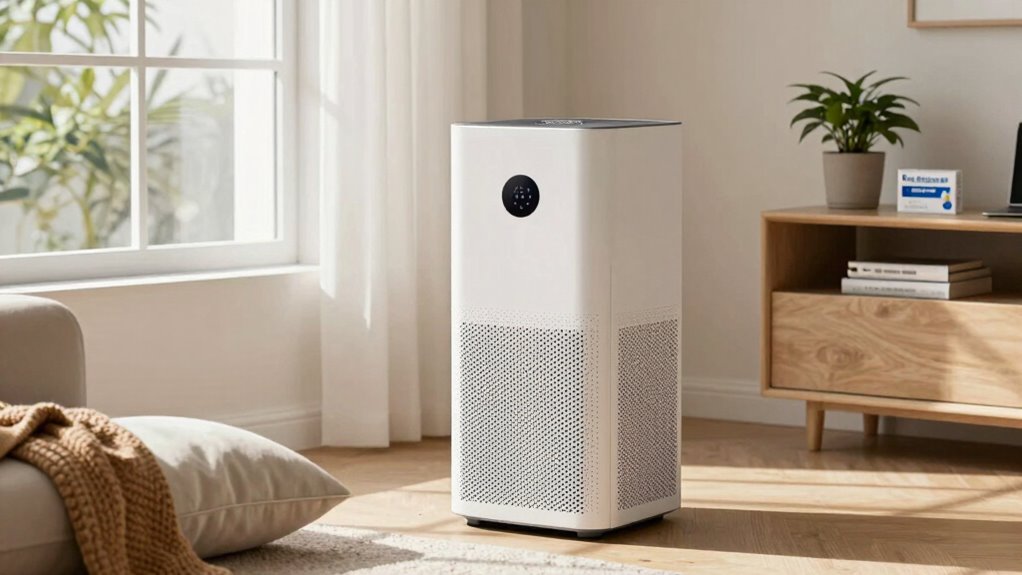
When choosing a premium air purifier for allergies, you might overlook your room size and end up with a unit that’s too weak or too large, wasting money. Failing to take into account filter quality and replacement schedules can reduce effectiveness over time. Many rush the decision by focusing on features instead of actual needs or ongoing maintenance. Staying on top of these common errors can make a real difference—keep going to discover how to avoid these pitfalls entirely.
Open a free Amazon Business account
Business pricing, bulk buying and tax-exempt orders.
As an affiliate, we earn on qualifying purchases.
Key Takeaways
- Failing to assess room size and coverage needs before selecting an air purifier.
- Ignoring the importance of regular filter replacements for optimal performance.
- Choosing devices with inadequate filtration systems that don’t effectively remove allergens.
- Overlooking ongoing maintenance and air quality monitoring routines.
- Relying solely on features without considering actual space requirements and filtration effectiveness.
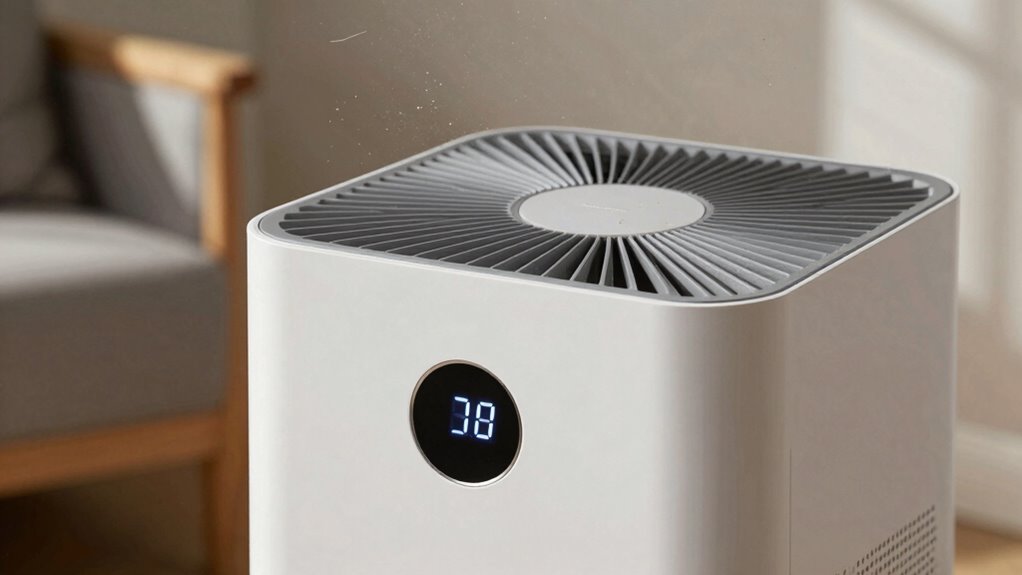
Choosing a premium air purifier can substantially improve your indoor air quality, but many people make common mistakes that undermine their efforts. One of the biggest errors is not properly evaluating your space before choosing a unit. You might see a model with impressive features and assume it’s suitable for your entire home, but size and coverage matter. If your air purifier isn’t powerful enough for the room, it won’t effectively remove allergens or pollutants. Conversely, oversizing can lead to unnecessary expense and energy waste. To avoid this, you should start with air quality testing—either professionally or with a reliable home test kit—to understand the level of allergens, dust, pet dander, or mold in your environment. This helps you select a device that effectively targets your specific needs without overbuying.
Another common mistake involves neglecting to factor in filter replacement frequency. Many people buy a high-end purifier only to forget that filters need regular maintenance to keep the device functioning at its best. Manufacturers typically specify how often filters should be replaced—anywhere from every 3 to 12 months—based on usage and air quality levels. Failing to adhere to these recommendations leads to reduced efficiency, as clogged or dirty filters can’t trap allergens effectively. It’s vital to set reminders or establish a routine for filter changes to guarantee the purifier maintains peak performance and continues to improve your indoor air. Additionally, understanding the filter lifespan can help you plan for ongoing maintenance costs and avoid surprises. Regularly checking air quality levels can also ensure your purifier is working optimally and that your indoor environment remains healthy.
Neglecting filter replacement schedules reduces purifier efficiency and effectiveness over time. Regular maintenance is crucial for optimal indoor air quality.
Some users overlook the importance of evaluating the purifier’s filtration system itself. Not all filters are created equal; HEPA filters are considered the gold standard for allergy relief because they can trap particles as small as 0.3 microns. If you’re prone to allergies, you want a purifier equipped with a true HEPA filter, combined with activated carbon or other media to tackle odors and volatile organic compounds. Skimping on filtration quality can render your investment ineffective, leaving you still exposed to airborne allergens and irritants. Additionally, understanding the filtration system can help you choose a device that truly meets your needs.
Finally, many forget that a premium air purifier isn’t a set-it-and-forget-it solution. It requires ongoing attention, from ensuring filters are replaced on time to monitoring air quality levels periodically. Ignoring these routine checks can cause the unit’s performance to decline, wasting money and failing to protect your health. By avoiding these mistakes—like neglecting air quality testing, overlooking filter replacement schedules, or choosing an inadequate filtration system—you’ll maximize your investment and truly enjoy cleaner, healthier indoor air.
best premium HEPA air purifier for allergies
As an affiliate, we earn on qualifying purchases.
As an affiliate, we earn on qualifying purchases.
Frequently Asked Questions
How Often Should I Replace the Filters in My Air Purifier?
You should replace your air purifier filters based on the manufacturer’s recommended replacement schedule, typically every 6 to 12 months. Regular filter maintenance is essential for peak performance, so check your filters frequently and replace them when they appear dirty or clogged. Keep in mind that using a filter beyond its lifespan reduces air quality and efficiency, so sticking to the replacement schedule guarantees you get the best allergy relief.
Do All Air Purifiers Effectively Remove All Types of Allergens?
Think of an air purifier as a skilled gardener, but not all plants thrive in every climate. Not all air purifiers effectively remove every allergen; some excel at capturing pollen and pet dander with HEPA filters, while others focus on VOC reduction. To truly improve air quality, pick a model that combines HEPA filtration and VOC reduction. This approach guarantees you’re targeting a broad spectrum of allergens, making your home safer and more comfortable.
Can an Air Purifier Help With Asthma Symptoms?
Yes, an air purifier can help with asthma symptoms by improving air quality and reducing airborne irritants. When you use a purifier with a HEPA filter, it traps dust, pollen, pet dander, and other allergens that trigger asthma. This supports your respiratory health and creates a cleaner environment. Just make sure you choose a high-quality device suited for asthma relief, and regularly maintain it for maximum results.
Is Noise Level a Significant Factor in Choosing an Air Purifier?
Yes, noise level considerations are important when choosing an air purifier. If it’s too loud, it can disrupt your daily activities or sleep. Opt for models that advertise quiet operation benefits, especially for bedroom use. By selecting a purifier with a low noise level, you guarantee continuous air cleaning without disturbance, making your environment more comfortable and conducive to restful sleep or focused work.
Are There Specific Features to Look for For Allergy Sufferers?
Think of your air purifier as a shield protecting you from allergens. For allergy sufferers, look for models with HEPA filters, which trap tiny particles like pollen and pet dander, and activated carbon filters to absorb odors and chemicals. These features work together to clean the air effectively. Prioritize these options to create a healthier environment, making breathing easier and reducing allergy symptoms.
air purifier for large rooms with true HEPA filter
As an affiliate, we earn on qualifying purchases.
As an affiliate, we earn on qualifying purchases.
Conclusion
Choosing a premium air purifier isn’t just about the price or brand; it’s about finding the right fit for your allergies. When you skip research or overlook features, you might end up with a device that doesn’t truly help. But if you pay attention to details, ask the right questions, and consider your needs, you’ll find the perfect purifier. Coincidentally, the right choice not only clears your air but also clears your worries, making every breath a little easier.
air quality test kit for home use
As an affiliate, we earn on qualifying purchases.
As an affiliate, we earn on qualifying purchases.
air purifier with activated carbon filter
As an affiliate, we earn on qualifying purchases.
As an affiliate, we earn on qualifying purchases.
Labor Day sales Picks
labor day deals
As an affiliate, we earn on qualifying purchases.