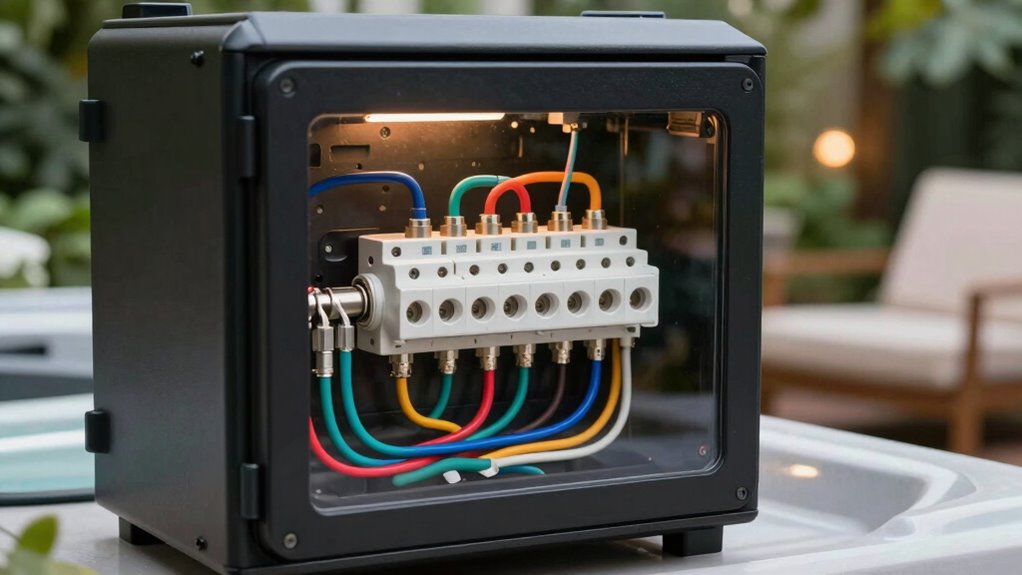

Before buying a hot tub, you should understand it needs a dedicated 220V circuit with a proper breaker, usually installed by an electrician. You must also install GFCI outlets for safety, especially outdoors, and guarantee wiring is waterproof and protected from damage. Placement matters for accessibility and safety, and planning for a shut-off switch is wise. If you keep these basics in mind, you’ll be well on your way; there’s more to think about for a smooth setup.

Turn your quiet moments into listening time
- Thousands of audiobooks, podcasts and originals
- Listen on your phone, tablet or Echo — also offline
- Cancel anytime
Key Takeaways
- Ensure the hot tub requires a dedicated 220V circuit with proper breaker installation for safety.
- Confirm GFCI outlets are installed outdoors near the hot tub for electrical safety.
- Plan for appropriate placement, clearances, and outdoor-rated wiring to protect against environmental damage.
- Verify compliance with local electrical codes and consider professional installation for wiring and setup.
- Incorporate safety features like a dedicated shut-off switch and accessible wiring for maintenance.
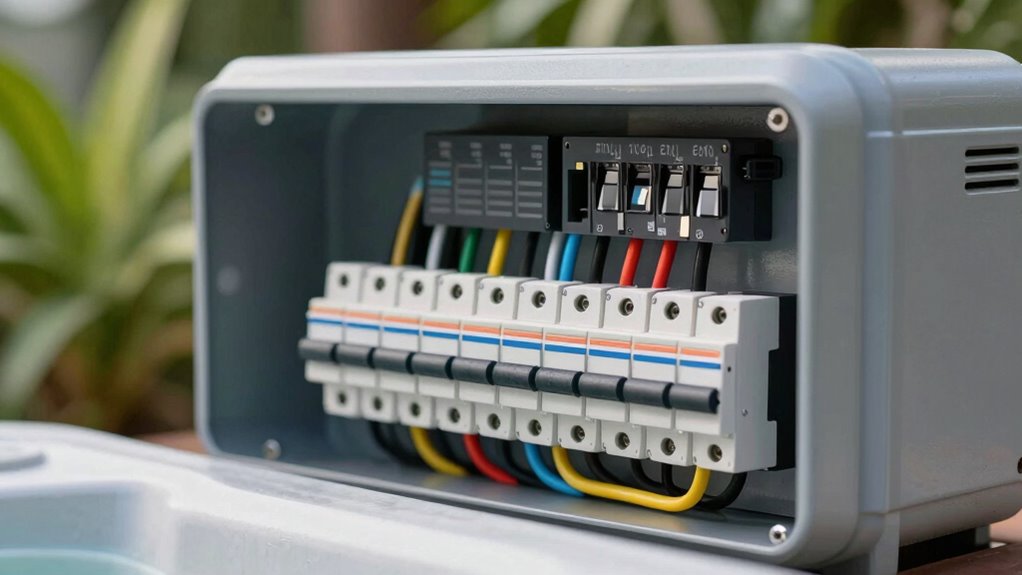
Are you curious about what it takes to guarantee your hot tub operates safely and efficiently? Before diving into the purchase, understanding the electrical basics is essential. Proper electrical setup isn’t just about turning on the heater and jets—it’s about ensuring safety, longevity, and peak performance. First, you need to recognize that hot tubs require a dedicated circuit with appropriate voltage, typically 220V, which differs from standard household outlets. This means you’ll likely need a professional electrician to install a dedicated breaker in your electrical panel, confirming the hot tub’s power demands don’t interfere with other household circuits.
Hot tubs need a dedicated 220V circuit installed by a professional electrician for safe, reliable operation.
It’s also important to understand grounding and GFCI outlets. Ground Fault Circuit Interrupters (GFCIs) are mandatory for outdoor electrical equipment like hot tubs because they cut off power immediately if a leak or fault occurs, preventing electrocution. When planning your landscaping ideas, consider placing the hot tub close enough to existing power sources but far enough to avoid water runoff or landscaping elements interfering with electrical lines. Proper placement can minimize wiring costs and reduce the risk of damage. Having enough clearance around the hot tub for maintenance and safe electrical access is critical. Additionally, choosing the right outdoor-rated wiring helps protect against environmental factors that could compromise safety and performance.
You should also be aware of the importance of wiring quality. Using waterproof, outdoor-rated wiring and conduits protects against moisture, which is unavoidable outdoors. If you’re doing some pool maintenance or landscaping, check that your wiring is shielded from dirt, debris, and potential physical damage. Ensuring proper electrical safety practices can prevent accidents and prolong the lifespan of your equipment. Additionally, understanding local electrical codes and adhering to them helps prevent accidents and ensures reliable operation. Investing in professional electrical installation can significantly reduce the risk of wiring issues and ensure compliance with safety standards. Consider installing a dedicated shut-off switch nearby for safety, allowing you to turn off power when performing maintenance or repairs. This step is vital for avoiding accidental shocks and ensuring safe operation during maintenance.
Understanding these electrical basics helps you avoid common pitfalls, like overloading circuits or using improper wiring, which could lead to costly repairs or safety hazards. When planning your landscaping ideas, think about how your hot tub’s electrical needs fit within the overall design—concealing wiring safely and keeping it accessible for future upgrades or troubleshooting. Proper planning ensures you won’t have to disturb your landscaping later, saving you time and money.
As an affiliate, we earn on qualifying purchases.
Frequently Asked Questions
What Is the Typical Electrical Voltage for Hot Tubs?
You’ll typically find hot tubs operate on either 110-120 volts or 220-240 volts, depending on their size and features. When considering electrical voltage, make certain your hot tub’s wiring supports proper hot tub insulation and water filtration systems. A 220-240V setup usually means faster heating and better performance, but you might need professional installation. Check your electrical system compatibility to keep your hot tub running safely and efficiently.
How Much Electrical Current Does a Hot Tub Usually Require?
A hot tub usually requires between 30 to 50 amps of electrical current depending on its size and features. You should check water filtration needs and insulation requirements to guarantee safe operation. Proper wiring and grounding are essential to prevent electrical hazards. Make sure your electrical system can handle the load, and consider professional installation to meet all safety standards and achieve peak performance.
Are GFCI Outlets Mandatory for Hot Tub Installation?
Yes, GFCI outlets are mandatory for hot tub installations to guarantee safety and prevent electrical shocks. When installing your hot tub, you should also consider hot tub insulation to maintain efficiency and ensure proper functioning of water filtration systems. Using GFCI outlets helps protect these systems and keeps you safe, especially around water. Always follow local electrical codes and consult a professional to ensure your hot tub setup is compliant and secure.
What Safety Measures Should I Follow During Electrical Setup?
You prioritize safety by ensuring your power supply is properly grounded, your wiring safety is intact, and all connections are secure. Turn off the main power before starting, use a GFCI outlet, and double-check for proper insulation. Wear insulated gloves, keep a fire extinguisher nearby, and follow local electrical codes. These steps protect you from shocks, prevent accidents, and guarantee a safe, enjoyable hot tub experience.
Can I Install a Hot Tub Electrical System Myself?
You can install a hot tub electrical system yourself if you have the right skills and knowledge, but it’s often best to hire a licensed electrician to guarantee safety and code compliance. Proper installation promotes hot tub maintenance and energy efficiency by preventing electrical issues. Always follow local codes, use the correct components, and double-check connections. Doing it right from the start helps keep your hot tub safe, efficient, and enjoyable.
As an affiliate, we earn on qualifying purchases.
Conclusion
Understanding the electrical basics of hot tubs isn’t just helpful—it’s essential for a safe, seamless experience. By knowing the wiring, power requirements, and safety measures, you’re not just avoiding hassles—you’re safeguarding your investment and well-being. Think of it as the secret sauce that transforms a simple purchase into a luxurious, worry-free retreat. Master these fundamentals, and you’ll guarantee your hot tub’s performance is nothing short of spectacular—far beyond what even the most seasoned spa owners could dream of!
outdoor waterproof wiring for hot tub
As an affiliate, we earn on qualifying purchases.
As an affiliate, we earn on qualifying purchases.
As an affiliate, we earn on qualifying purchases.
Fall Picks
fall essentials
As an affiliate, we earn on qualifying purchases.