Bathroom mold spots often result from habits like poor ventilation, leaving surfaces damp, or neglecting leaks. If you don’t use exhaust fans or forget to wipe down shower areas, moisture lingers, promoting mold. Using outdated curtains or damp towels also helps mold settle and grow. Ignoring plumbing leaks or not maintaining grout and caulk makes things worse. Keep your bathroom dry and well-ventilated—more tips follow to keep mold at bay.
Key Takeaways
- Poor bathroom ventilation and excessive humidity promote mold growth; use exhaust fans and open windows to reduce moisture.
- Failing to dry surfaces after showering and neglecting grout or caulk maintenance create damp conditions ideal for mold.
- Using old or unclean shower curtains, damp towels, and clothes in the bathroom fosters mold development.
- Ignoring leaks and plumbing drips increases moisture levels and encourages mold spots to form.
- Inadequate cleaning routines and overuse of moisture devices maintain high humidity, supporting mold proliferation.

Hihealer Meditation Cushion, Traditional Tibetan Meditation Pillow Velvet Cover - Large Floor Cushion Seating for Adults - Yoga Buckwheat Bolster for Women、Moms
Comfort and Support: The large, ergonomic design provides exceptional comfort and support for extended meditation sessions
As an affiliate, we earn on qualifying purchases.
Inadequate Ventilation and Its Role in Mold Growth
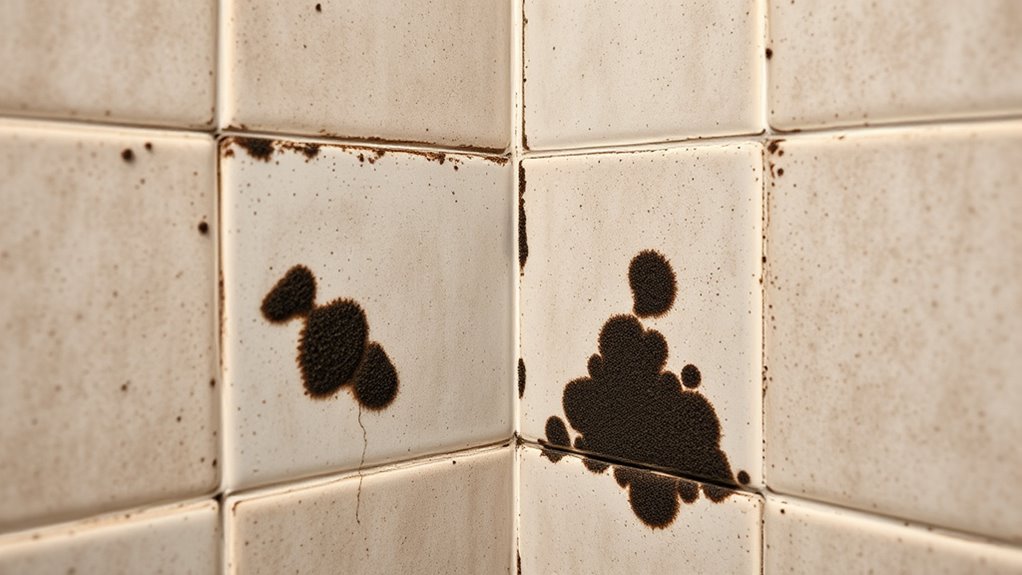
Poor ventilation in your bathroom creates ideal conditions for mold to thrive. When moisture from showers and baths lingers, it provides the perfect environment for mold spores to settle and grow. Without proper airflow, humidity levels stay high longer, making it difficult for surfaces to dry out. This persistent dampness encourages mold development on walls, ceilings, and grout lines. If you don’t use exhaust fans or open windows regularly, you’re allowing moisture to accumulate, increasing the risk of mold spots. Ensuring good ventilation helps remove excess moisture and improves air circulation. Keep exhaust fans running during and after showers, and open windows whenever possible. Proper airflow reduces humidity, discourages mold growth, and keeps your bathroom cleaner and healthier. Incorporating ventilation methods such as installing exhaust fans or using dehumidifiers can further help maintain optimal humidity levels and prevent mold formation. Additionally, air circulation plays a vital role in dispersing moisture and should be prioritized to maintain a mold-free environment. Using moisture control techniques like wiping down surfaces after showers can also significantly reduce dampness and mold risk, especially when combined with proper ventilation to create a comprehensive moisture management system.
hunnidspace Meditation Cushion Set Zafu & Zabuton – Buckwheat Hull & Memory Foam, Adjustable Floor Pillow for Yoga, Meditation & Sitting, Removable Velvet Cover (Navy Blue)
ERGONOMIC SUPPORT FOR PAIN-FREE SITTING Designed to reduce pressure on knees, hips, and lower back, this meditation cushion...
As an affiliate, we earn on qualifying purchases.
Forgetting to Wipe Down Surfaces After Showering
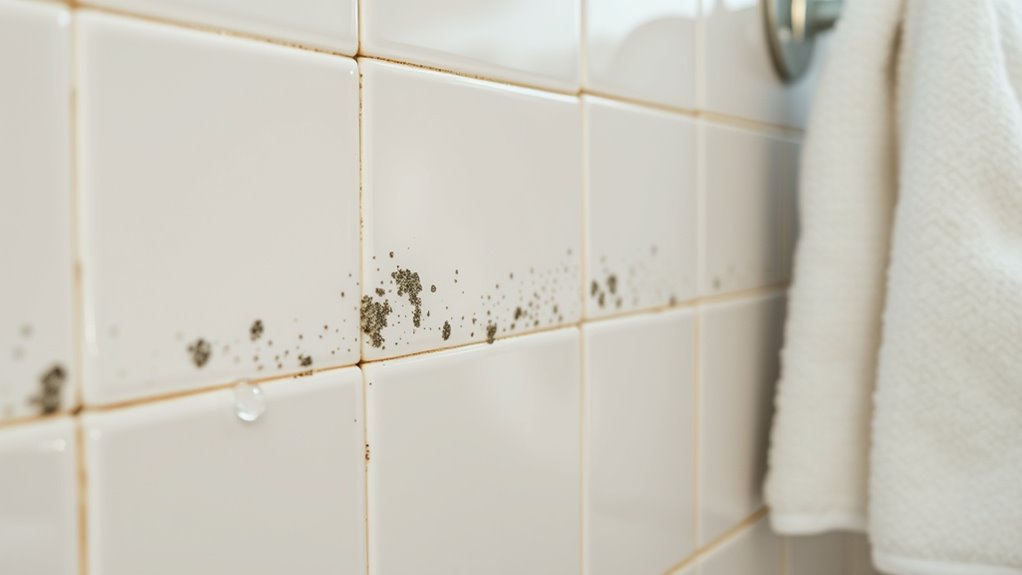
Failing to wipe down bathroom surfaces after showering allows moisture to linger, creating an ideal environment for mold to develop. When you leave water on tiles, glass, or fixtures, it encourages mold spores to settle and grow unnoticed. Without quick action, damp surfaces stay moist longer, increasing mold risk. Make it a habit to dry down shower walls, glass doors, and sinks after each use. Use a squeegee or towel to remove excess water, especially in hidden spots. This simple step reduces moisture levels and prevents mold from taking hold. Consistent surface wiping not only keeps your bathroom cleaner but also protects your health by limiting mold exposure. Staying vigilant about drying surfaces is an easy, effective way to keep mold at bay. Proper ventilation can further help reduce indoor humidity and inhibit mold growth. Additionally, regular cleaning with mold-inhibiting products creates an additional barrier against mold formation. Incorporating moisture control techniques into your routine can make a significant difference in preventing mold from taking hold over time.
Cheer Collection Meditation Cushion - Ergonomic Floor Pillow, Yoga Pillow with Buckwheat Filling, Zafu Meditation Cushion, Comfort & Meditation Posture Support
ERGONOMIC SUPPORT FOR MEDITATION: Elevate your meditation sessions with this ergonomic meditation cushion! It supports proper posture by...
As an affiliate, we earn on qualifying purchases.
Using Old or Ineffective Shower Curtains and Liners
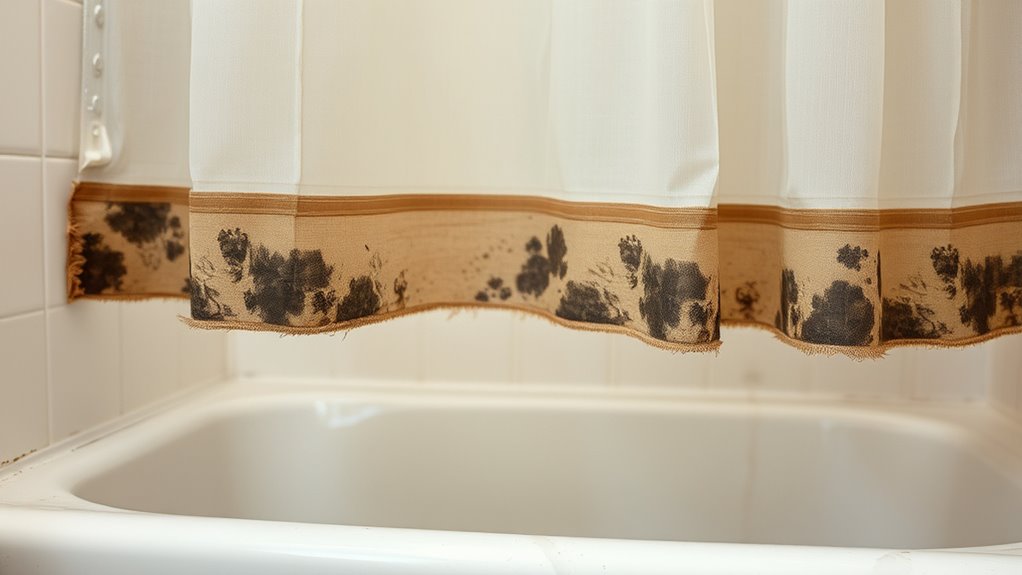
Old or ineffective shower curtains and liners can quickly become breeding grounds for mold and mildew. When they stay damp and aren’t cleaned regularly, mold spores thrive, leading to unsightly spots and potential health issues. Fabric curtains absorb water, making them especially prone to mold if not washed often. Plastic liners can trap moisture behind them, creating a humid environment perfect for mold growth. To prevent this, replace worn-out curtains and liners promptly. After each shower, pull back the curtain to air it out and let it dry completely. Consider switching to mold-resistant materials or using a quick-drying fabric curtain. Regular cleaning with mold-inhibiting solutions also helps keep mold at bay and maintains a healthy bathroom environment. Ensuring proper ventilation reduces humidity levels, further decreasing the risk of mold development. Understanding environmental conditions that promote mold growth can further help in implementing effective prevention strategies. Additionally, choosing the right curtain material can significantly reduce mold buildup over time. Using proper drying techniques after showers can further prevent excess moisture accumulation.

Retrospec Sedona Zafu Meditation Cushion with Buckwheat Hull Fill - Adjustable Yoga & Pilates Equipment Support - 17in Crescent Cotton Cover
NATURAL COMFORT & SUPPORT: Filled with sustainable buckwheat hulls, this meditation cushion elevates your practice by aligning your...
As an affiliate, we earn on qualifying purchases.
Ignoring Leaks and Drips in Plumbing Fixtures

Have you noticed a persistent drip or leak from your bathroom fixtures? Ignoring these leaks might seem minor, but they can quickly lead to mold growth. Leaking faucets, toilets, or pipes create constant moisture, providing perfect conditions for mold spores to settle and thrive. Over time, this moisture seeps into walls, floors, and cabinetry, worsening the problem. The continuous dampness also raises humidity levels, accelerating mold development in hidden areas. Addressing leaks promptly is essential; even small drips can cause significant damage if left unchecked. Turn off water supplies and repair or replace faulty fixtures as soon as you notice a leak. Doing so prevents excess moisture, keeps your bathroom dry, and helps avoid the mold spots that thrive in damp environments. Regularly inspecting plumbing fixtures with a moisture meter can help detect hidden leaks early. Utilizing smart leak detectors can provide real-time alerts and prevent long-term damage. Being aware of common causes of bathroom leaks, such as worn-out washers or corroded pipes, can also help you take preventive measures proactively.
Not Cleaning or Replacing Grout and Caulk Regularly
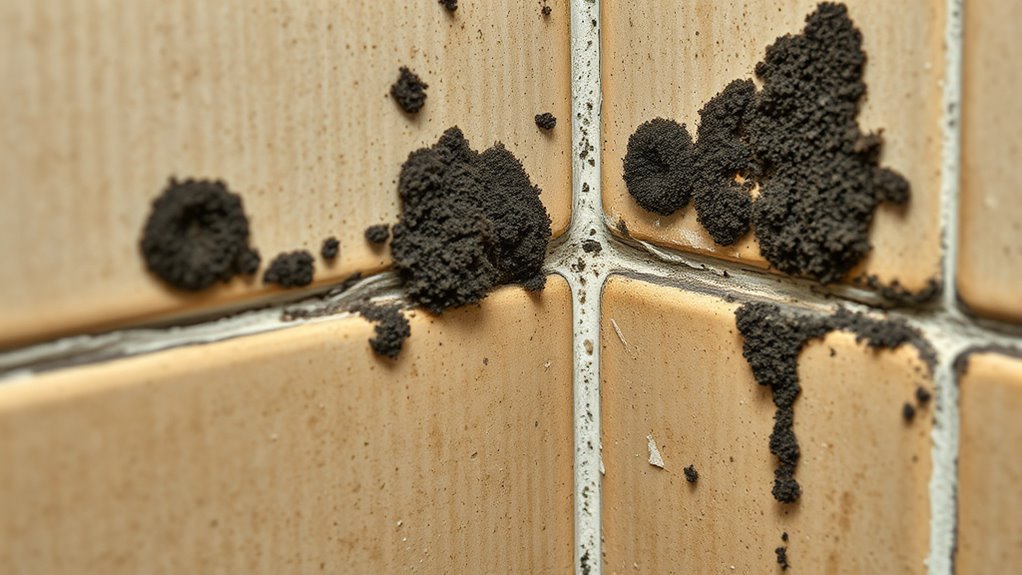
Leaking or dripping fixtures often lead to persistent moisture issues, but even when leaks are fixed, mold can still develop if grout and caulk aren’t maintained. Over time, grout becomes porous, trapping dirt and moisture that promote mold growth. Caulk, if not replaced regularly, can crack and allow water to seep behind tiles. This creates a damp environment perfect for mold spores to settle and grow. Neglecting routine cleaning or ignoring signs of deterioration enables mold to establish itself unnoticed. To prevent this, clean grout and caulk at least every few months with mold-inhibiting solutions. Replace damaged grout and caulk promptly. Regular maintenance keeps your bathroom dry, reduces mold risk, and preserves the integrity of your tiles. Incorporating proper ventilation systems can also significantly reduce humidity levels and inhibit mold development. Additionally, understanding the importance of moisture control can help you implement effective strategies to keep mold at bay, especially when combined with proper routine maintenance. Maintaining optimal humidity levels with air circulation is essential for long-term mold prevention. Proper humidity monitoring devices can help you stay within ideal moisture ranges to further prevent mold growth.
Overusing Humidifiers and Other Moisture-Adding Devices
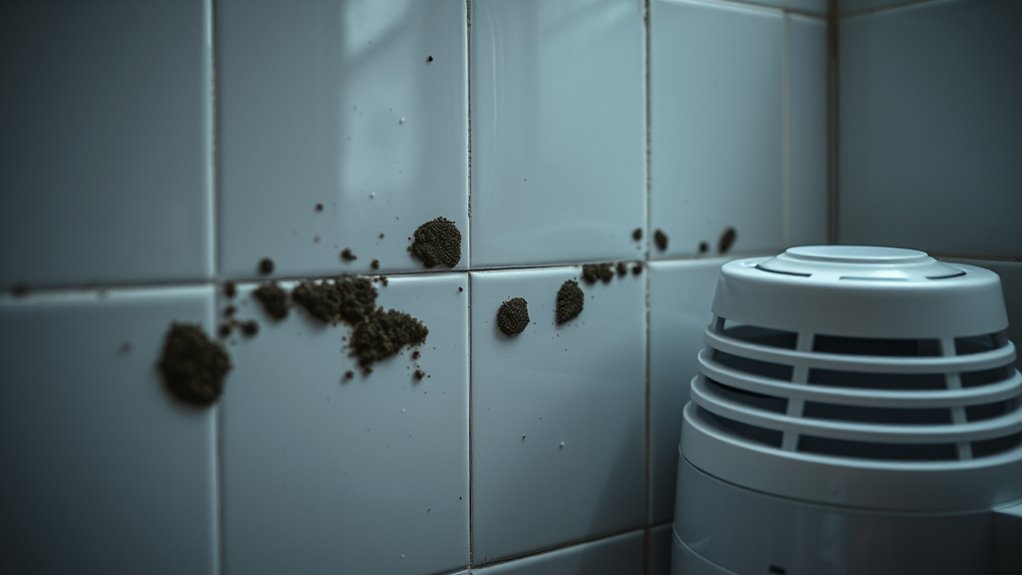
If you use humidifiers or other moisture-adding devices too often, you might be creating the perfect environment for mold growth. Poor ventilation can make the moisture linger, making spots worse. Cutting back on humidifier use and improving airflow can help keep mold at bay. Additionally, maintaining proper humidity levels in your bathroom can prevent excess moisture buildup. Ensuring consistent air circulation helps to reduce lingering moisture and discourage mold development. Using proper cleaning techniques to regularly remove existing mold spores can further prevent growth from spreading. Being aware of your privacy policy and cookie preferences can also improve your browsing experience when researching mold prevention tips online. Regularly monitoring the benefits of dehumidifiers can also help in controlling moisture levels effectively.
Excessive Humidifier Use
Overusing humidifiers and other moisture-adding devices can substantially contribute to bathroom mold growth. When you run your humidifier excessively, it raises the humidity levels beyond what’s ideal, creating a damp environment perfect for mold to thrive. Continuous moisture buildup in the air causes surfaces like walls, ceilings, and tiles to stay wet longer, especially in bathrooms with limited airflow. This persistent dampness encourages mold spores to settle and grow. To prevent this, use humidifiers only when necessary, ideally maintaining indoor humidity between 30-50%. Regularly monitor the humidity levels with a hygrometer, and turn off devices once suitable moisture is achieved. Keeping moisture in check is key to stopping mold before it starts.
Poor Ventilation Practices
Poor ventilation practices can considerably worsen bathroom mold issues, especially when combined with excessive use of humidifiers and other moisture-adding devices. When your bathroom isn’t properly ventilated, moisture lingers longer, creating an ideal environment for mold growth. Using humidifiers or leaving exhaust fans off traps humidity inside, raising moisture levels on surfaces and in the air. This continuous dampness prevents walls, ceilings, and fixtures from drying out, encouraging mold spores to settle and thrive. To prevent this, make sure your bathroom has a working exhaust fan or open windows during and after showers. Avoid overusing humidifiers and keep moisture levels low. Proper ventilation helps remove excess humidity, reducing the chances of mold spots forming and keeping your bathroom healthier.
Poor Maintenance of Exhaust Fans and Ventilation Systems

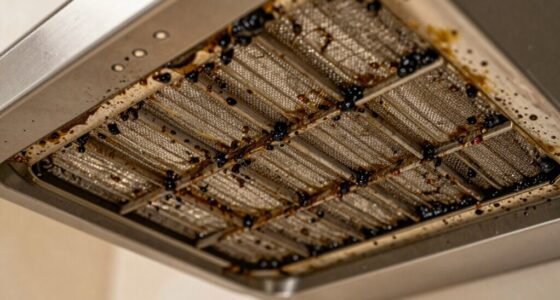
If your exhaust fan isn’t used properly or isn’t working well, moisture can build up and promote mold growth. Dirty vent covers block airflow, making ventilation less effective. Poor air circulation allows humidity to linger, creating the perfect environment for mold spots to develop.
Inadequate Fan Usage
Since proper ventilation is essential for preventing mold growth, neglecting to maintain exhaust fans and ventilation systems can lead to persistent moisture buildup in your bathroom. If you rarely or never turn on your fan during or after showers, humidity lingers, creating the perfect environment for mold to thrive. Even if your fan is functioning, failing to use it consistently means moisture isn’t escaping efficiently. Make it a habit to run the fan for at least 20 minutes after showering, especially in humid seasons. Ignoring this step allows water vapor to settle on surfaces, encouraging mold spots. Regularly using your exhaust fan and ensuring it works properly reduces moisture levels, making your bathroom less hospitable for mold development.
Dirty Vent Covers
Neglecting to clean and maintain your vent covers can considerably reduce the effectiveness of your exhaust system. Dust, dirt, and grime build up over time, blocking airflow and trapping moisture. This creates a perfect environment for mold growth behind the cover. Regularly removing and washing your vent covers ensures proper ventilation and reduces mold risk.
| Vent Cover Condition | Cleaning Frequency | Mold Risk Level |
|---|---|---|
| Dirty and dusty | Monthly | High |
| Slightly dusty | Every 3-6 months | Moderate |
| Clean and clear | Annually | Low |
Keeping vent covers clean is a simple step that greatly impacts mold prevention. Don’t overlook this essential maintenance.
Poor Air Circulation
Poor air circulation often results from poorly maintained exhaust fans and ventilation systems, which can considerably increase mold growth risks in your bathroom. When these systems don’t function effectively, moisture from showers and baths lingers longer, creating the perfect environment for mold to thrive. If your exhaust fan isn’t removing humidity properly, mold spores settle on surfaces and grow unnoticed. Regularly clean and inspect your exhaust fans to ensure they’re operating correctly, and consider upgrading if they’re outdated or noisy. Keep vents unobstructed and run the fan during and after showers to reduce moisture buildup. Good ventilation is essential in preventing mold spots and maintaining a healthier bathroom environment. Neglecting this simple habit can lead to persistent mold problems.
Leaving Damp Towels and Clothes in the Bathroom
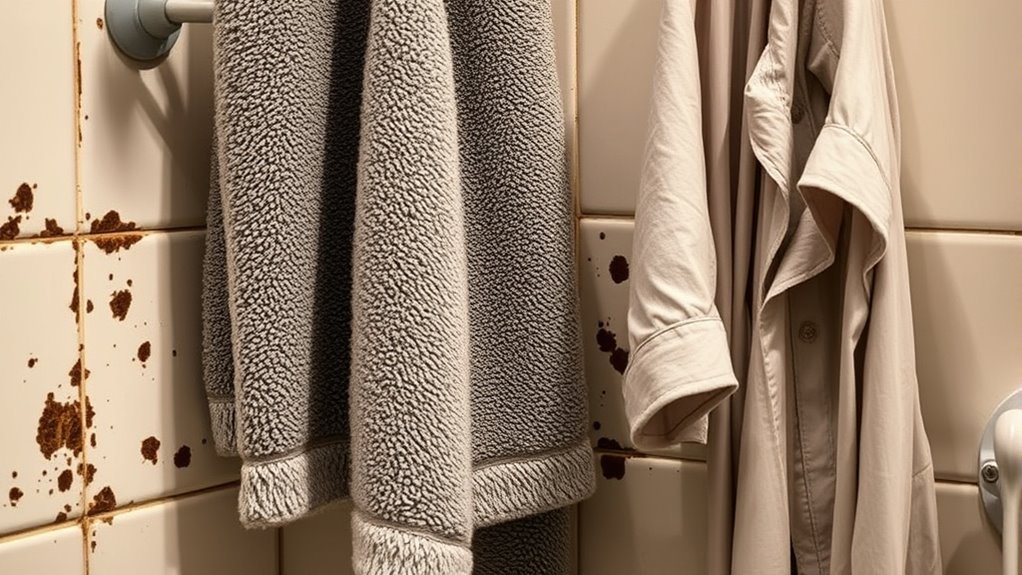
Leaving damp towels and clothes in the bathroom creates the perfect environment for mold to thrive. When moisture lingers on fabrics, it encourages mold spores to settle and grow rapidly. If you leave wet towels hanging over the shower rod or clothes piled on the floor, you’re unknowingly feeding mold’s growth. Mold spores need moisture and warmth, both of which are common in bathrooms. To prevent this, hang towels and clothes in well-ventilated areas or on a dedicated towel rack that allows air to circulate. Make sure to dry items completely after each use, and don’t leave damp fabrics lying around for hours. Taking these simple steps reduces moisture buildup and considerably lowers your risk of mold spots forming in your bathroom.
Frequently Asked Questions
Can Natural Remedies Effectively Prevent Bathroom Mold Growth?
Natural remedies can help prevent bathroom mold growth if used consistently. You might try spraying a mixture of vinegar and tea tree oil after showers, as both have antifungal properties. Keeping your bathroom well-ventilated and wiping surfaces dry also makes a difference. While natural solutions are effective for minor mold prevention, for extensive issues, professional cleaning or stronger treatments may be necessary to fully eliminate mold.
How Often Should I Inspect Plumbing for Leaks to Avoid Mold?
An ounce of prevention is worth a pound of cure. You should inspect your plumbing for leaks at least once a month to catch problems early. Pay close attention to hidden areas like under sinks and behind toilets. Regular checks help you spot small leaks before they turn into bigger issues, reducing moisture buildup that fosters mold growth. Staying vigilant keeps your bathroom healthy and mold-free.
Are There Specific Materials That Resist Mold Better in Bathrooms?
Yes, you should look for mold-resistant materials like ceramic or porcelain tiles, vinyl wallpaper, and mildew-resistant drywall in your bathroom. These materials resist mold better because they don’t absorb moisture and are easier to clean. When you install or replace bathroom surfaces, choose these options to reduce mold growth. Regular cleaning and proper ventilation will also help keep mold at bay, ensuring a healthier bathroom environment for you.
Does the Type of Bathroom Flooring Affect Mold Development?
Did you know that bathroom floors with porous materials are 50% more likely to develop mold? The type of flooring you choose definitely impacts mold growth. Non-porous options like ceramic tile or vinyl resist moisture and mold better than carpet or wood. To prevent mold, opt for these materials, guarantee proper ventilation, and wipe down wet surfaces regularly. Your choice of flooring can make a significant difference in keeping mold at bay.
How Can I Tell if Mold Has Penetrated Behind Walls or Under Fixtures?
You can tell if mold has penetrated behind walls or under fixtures by looking for hidden signs like musty odors, discoloration, or peeling paint. If you notice increased humidity, water stains, or soft spots, it’s a good idea to investigate further. You might need to remove a section of drywall or paneling to see behind it. Consider hiring a professional for a thorough inspection if you’re unsure.
Conclusion
By changing these habits, you can markedly reduce bathroom mold. Did you know that indoor mold growth can start within just 24-48 hours of moisture exposure? Regularly ventilate, wipe surfaces, and replace old fixtures to keep mold at bay. Staying proactive not only improves your bathroom’s appearance but also protects your health. Take these simple steps, and you’ll create a cleaner, mold-free space that’s safer for you and your family.