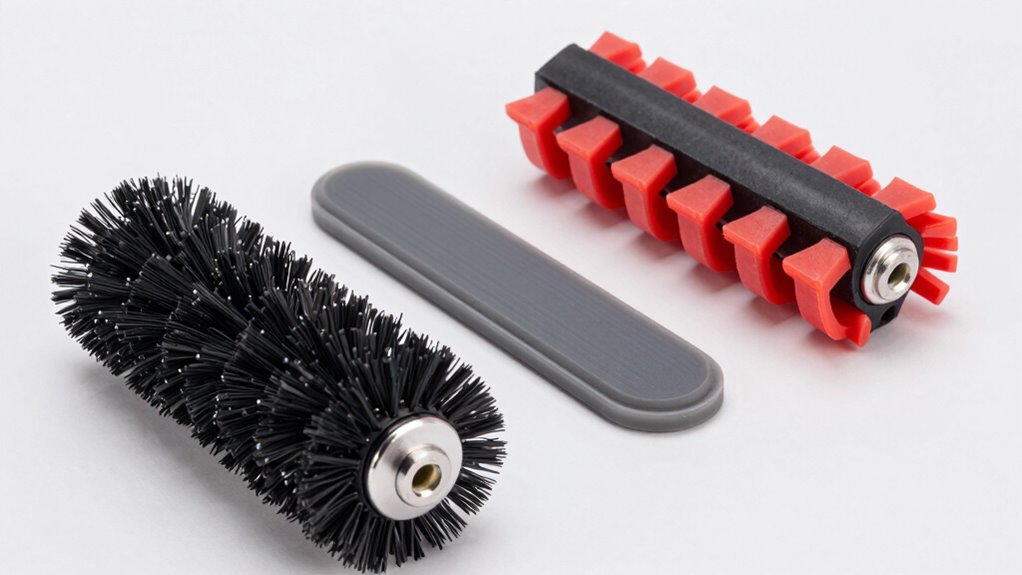
Robot vacuum brushes come in three main types: combo brushes that mix bristles and rubber blades, bristle brushes, and rubber or silicone brushes. Combo brushes are versatile and good for various surfaces but need regular cleaning. Bristle brushes work well on certain floors but can trap hair and dust. Rubber or silicone brushes resist tangles and are easier to maintain, often lasting longer. Keep exploring to understand which brush type suits your cleaning needs best.
Key Takeaways
- Combo brushes combine bristles and rubber blades for versatile cleaning on various surfaces.
- Bristle brushes are traditional, effective but may trap hair and dust, requiring regular maintenance.
- Rubber or silicone brushes are flexible, reduce hair tangling, and are easier to clean.
- Brush material impacts durability, with rubber and silicone offering longer lifespan and better pet hair handling.
- Proper brush selection and maintenance improve cleaning performance across different floor types.
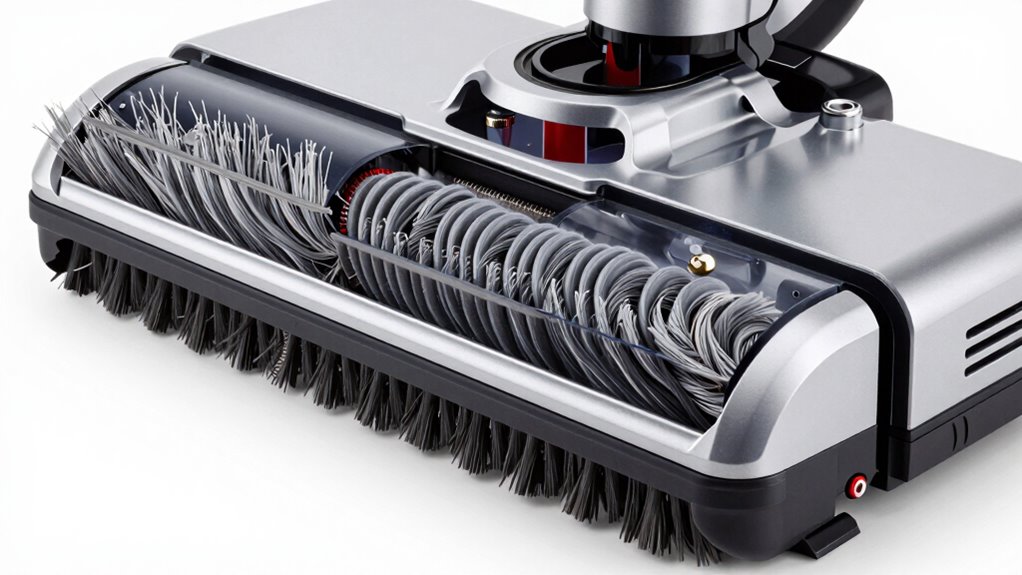
When choosing a robot vacuum, understanding the different brush types can considerably impact its cleaning performance. The type of brush your vacuum uses influences how effectively it picks up dirt, hair, and debris from various surfaces. There are primarily three main types: combo brushes, bristle brushes, and rubber or silicone brushes. Each has its advantages and drawbacks, so knowing which one suits your home’s needs is essential. For instance, combo brushes combine bristles and rubber blades, making them versatile for different floor types. They’re generally good at loosening dirt and sweeping debris into the vacuum’s suction path, but they can require more manual cleaning and maintenance to keep them working best. Regularly inspecting and cleaning the brushes helps prevent hair and dust buildup, which can hinder performance. Additionally, understanding the different brush types can help you select a model optimized for your specific cleaning tasks, especially when considering floor compatibility. Being aware of the brush maintenance needs can also extend the lifespan of your vacuum and improve its overall effectiveness. To maintain peak performance, it’s helpful to follow manufacturer guidelines on cleaning and replacing brushes, which can vary based on the type. Moreover, choosing the right brush material can enhance durability and cleaning efficiency, especially on specialized flooring.

Replacement Parts & Accessories for iRobot E, I & J Series, Combo i5, j5 Series Robot Vacuum, Dual Multi-Surface Rubber Brushes & 3 HEPA Filter & 3 Edge-Sweeping Brushes
Perfect Compatibility – CHIKIXSON replacement parts are fully compatible with the iRobot E, I, J series robotic vacuums,…
As an affiliate, we earn on qualifying purchases.
As an affiliate, we earn on qualifying purchases.
Frequently Asked Questions
How Often Should I Replace My Robot Vacuum Brushes?
You should replace your robot vacuum brushes every 6 to 12 months, depending on usage and brush material. For example, rubber brushes tend to last longer than bristle ones. Regularly check for wear and tear, especially if you notice decreased cleaning performance or increased noise. Proper replacement frequency guarantees your vacuum maintains peak suction and cleaning efficiency, preventing damage to your floors and prolonging your device’s lifespan.
Are There Specific Brushes for Pet Hair Removal?
Yes, there are specific brushes designed for pet hair removal. These brushes often feature pet hair detachment technology, making it easier to pick up pet fur effectively. When choosing, check brush compatibility with your robot vacuum model to guarantee proper fit and function. Using the right brush can improve cleaning efficiency, reduce hair tangling, and help maintain your vacuum’s performance, especially in homes with pets.
Can Brush Types Affect Vacuum Noise Levels?
Yes, brush types can affect vacuum noise levels. Soft brush materials, like rubber or silicone, often produce less noise, especially with noise reduction features. Harder brushes, such as nylon bristles, tend to generate more sound during operation. When choosing a vacuum, consider brushes designed for quieter performance, as they help minimize noise while maintaining cleaning efficiency, making your experience more comfortable.
Do Different Brushes Work Better on Hardwood or Carpets?
Different brushes work better on hardwood or carpets based on brush material and design. Soft-bristled brushes with rubber or silicone are ideal for hardwood floors, preventing scratches while effectively picking up dust. Stiff-bristled or mixed-material brushes with a more aggressive design work better on carpets, lifting embedded dirt. Your choice depends on the surface, so match the brush material and design to your flooring type for the best cleaning results.
How Do I Clean and Maintain Robot Vacuum Brushes Properly?
To clean and maintain your robot vacuum brushes, regularly remove hair and debris with a brush or scissors. Check for tangled strings and clear them. Keep your battery healthy by performing proper battery maintenance and avoiding overcharging. Also, update your vacuum’s software regularly for peak performance. This keeps your brushes clean, your device functioning efficiently, and extends its lifespan, ensuring thorough cleaning on both hardwood and carpets.
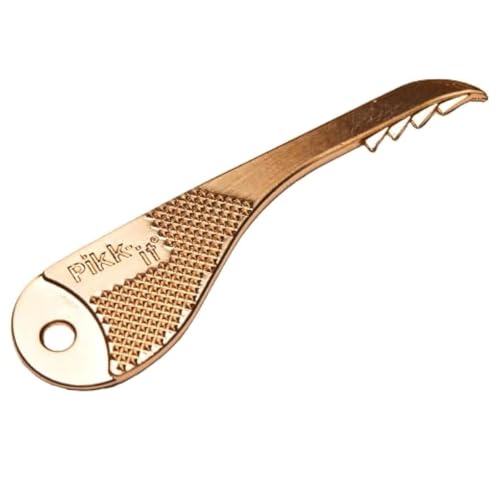
Pikk-it Vacuum Hair Brush Cleaner Tool – Removes Tangled Hair from Vacuums & Hairbrushes | Pet & Human Hair Removal Comb Rake | Improves Vacuum Cleaning Power (Single/Twin Pack) (1)
✅ WORKS ON ANY VACUUM: Pikk-it's unique design works with any vacuum, ensuring your device cleans more efficiently….
As an affiliate, we earn on qualifying purchases.
As an affiliate, we earn on qualifying purchases.
Conclusion
So, now that you know the scoop on robot vacuum brushes, you’re practically a cleaning genius—ready to outsmart those stubborn dust bunnies. Just remember, whether you pick a roller or a brush, your robot’s got the skills—just like you, if you remember to empty its bin. So go ahead, choose wisely, and let your robotic helper do the dirty work. Because honestly, who wants to spend hours vacuuming when a tiny robot can do it for you?

BEIDUOYANG 10 Pack Vacuum Cleaner Brush Side Brushes Robotic Replacement Side Brush Spare Part For X30 Vacuum Cleaner Spare Parts Accessories
Made from plastic material, these side brush accessories are designed to fit perfectly on the bottom of robot…
As an affiliate, we earn on qualifying purchases.
As an affiliate, we earn on qualifying purchases.

Replacement Parts for Shark AI AV2511AE AV2501S AV2610WA AV2501AE RV2502AE RV2610WA UR2500SR RV2520 AV2510 AI Ultra Robot Vacuum Cleaner Accessories Kits. Main Brush,HEPA Filter,Foam Filter,Side Brush
Compatible Models: The replacement parts kits compatible with Shark AI AV2511AE, AV2501S, AV2610WA, AV2501AE, RV2502AE, RV2610WA, UR2500SR, RV2520AOUS,…
As an affiliate, we earn on qualifying purchases.
As an affiliate, we earn on qualifying purchases.