Many people forget that cleaning the kitchen hood filter is vital for safety and efficiency. Grease can quickly build up, blocking airflow and increasing fire risks if not cleaned regularly. You should inspect and clean your filter every 1-3 months, more often if you cook greasy foods daily. Neglecting this step can lead to greasy surfaces, poor ventilation, and potential hazards. Keep reading to discover simple tips that make cleaning easier and more effective.

Get books, candles and calm essentials delivered free — and shop member deals
- Fast, free delivery on millions of items
- Access to Prime Big Deal Days deals on October 6–7
- Prime Video, Amazon Music and more included
Key Takeaways
- Regularly inspect and clean the grease trap to prevent grease buildup and maintain ventilation efficiency.
- Remove the filter, soak it in hot, soapy water, then scrub to eliminate stubborn grease deposits.
- Neglecting filter cleaning can cause greasy residue circulation, odors, and increased fire risk.
- Clean filters every 1-3 months, more frequently with heavy grease production, to ensure safety and performance.
- Proper maintenance extends the lifespan of exhaust fans and improves overall kitchen air quality.
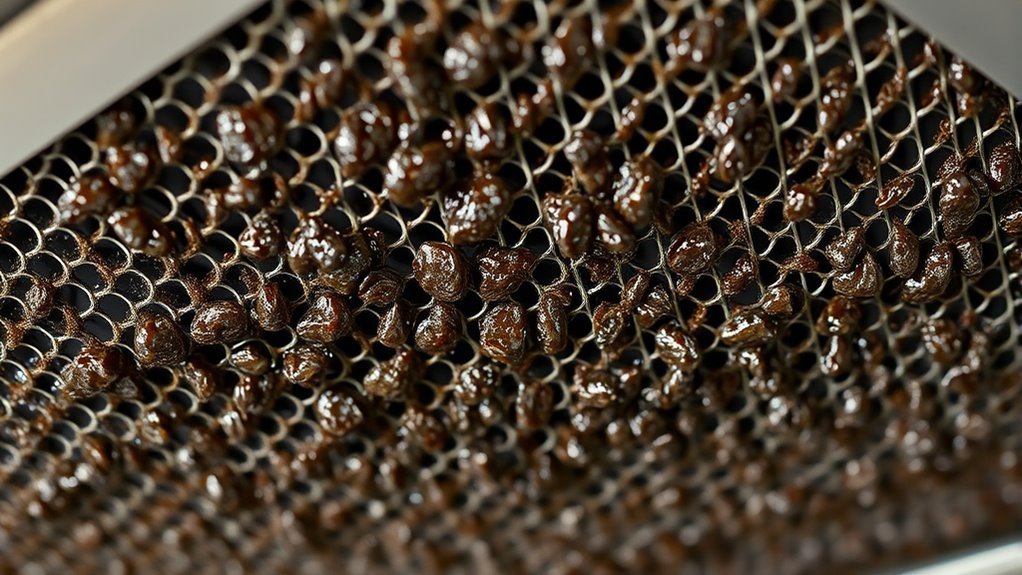
Have you ever wondered how often you should clean your kitchen hood filter? It’s a common question among homeowners and restaurant owners alike because proper filter maintenance is vital for a safe and efficient kitchen. The truth is, the frequency depends on how much you cook and the type of cooking you do, but generally, you’ll want to inspect your hood filter regularly for airborne grease buildup. When airborne grease accumulates, it not only reduces the efficiency of your ventilation system but also becomes a fire hazard. That’s why maintaining a clean filter is essential.
The key to keeping your kitchen safe and your air quality high is understanding how airborne grease settles on your filter and how often you should clean it. If you notice a thick layer of grease or a greasy film on the filter, it’s time for a cleaning. For households with moderate cooking, cleaning the filter every one to three months usually suffices. But if you’re frying or cooking greasy foods daily, you might need to do it more frequently—perhaps monthly or even bi-weekly. Regular filter maintenance prevents grease from building up to dangerous levels and keeps your ventilation system running smoothly.
Cleaning your kitchen hood filter isn’t complicated, but neglecting it can lead to serious issues. When the filter is dirty, it can’t effectively trap airborne grease, which then escapes into your kitchen and circulates in the air. This not only results in greasy surfaces and lingering odors but also puts additional strain on your exhaust fan. Over time, this can cause the fan to wear out prematurely or even pose a fire risk. That’s why routine cleaning is an investment in safety and efficiency.
The cleaning process involves removing the filter and soaking it in hot, soapy water or a degreasing solution that cuts through greasy deposits. Scrubbing with a brush will remove stubborn buildup, and rinsing thoroughly ensures no residue remains. Once dry, you can reinstall the filter, knowing it’s doing its job effectively. Remember, a clean filter doesn’t just improve air quality; it also extends the lifespan of your entire ventilation system. Additionally, understanding sound vibrations and their role in cleaning can make the process more effective and less labor-intensive.
Frequently Asked Questions
How Often Should I Replace My Kitchen Hood Filter?
You should replace your kitchen hood filter based on its filter lifespan, which typically ranges from every 6 to 12 months. Follow a regular replacement schedule to guarantee maximum performance and safety. Keep an eye on grease buildup and odors, as these indicate it’s time for a new filter. Regularly inspecting and replacing the filter helps maintain proper ventilation and prevents fire hazards.
Can I Clean the Filter With Household Cleaning Agents?
You can clean your kitchen hood filter with household cleaners, but it’s like trying to tame a wild beast—use the wrong one, and you might damage the filter. Stick to gentle cleaning agents, like dish soap or vinegar solutions, and avoid harsh chemicals. Regularly scrubbing with these household cleaners keeps grease and grime at bay, ensuring your filter stays effective and your kitchen stays fresh.
What Are Signs My Filter Needs Professional Maintenance?
If your filter material looks excessively greasy, has a strong odor, or shows signs of damage, it’s time to call professional services. You might also notice reduced airflow or increased smoke, indicating buildup that you can’t easily clean yourself. Professional maintenance ensures thorough cleaning and inspection, keeping your kitchen safe and compliant. Don’t ignore these signs—proper service helps extend your filter’s lifespan and maintains ideal hood performance.
Is There a Difference Between Washable and Disposable Filters?
Did you know that nearly 80% of restaurant fires start in the kitchen due to grease buildup? Washable filters last longer with proper cleaning methods, typically around 6-12 months, making them cost-effective. Disposable filters are convenient but need regular replacement, usually every 1-3 months. Choosing between them depends on your filter lifespan goals and maintenance routine, so assess your kitchen’s needs to keep everything safe and efficient.
How Do I Prevent Grease Buildup in the Filter?
To prevent grease buildup in your filter, regularly clean it to maintain ventilation effectiveness and odor control. Use hot soapy water or a degreasing solution, and scrub thoroughly to remove grease deposits. Installing a high-quality, washable filter can make routine cleaning easier. Consistent maintenance guarantees your kitchen stays odor-free, your ventilation works efficiently, and grease doesn’t accumulate excessively, reducing fire risks and keeping your kitchen safer and cleaner.
Conclusion
Now that you know how essential it is to clean your kitchen hood filter, don’t forget to make it part of your regular routine. Think of it like tending to a garden—you can’t just plant seeds and walk away; you need to keep it tidy and healthy. By staying on top of this task, you’ll keep your kitchen safer, cleaner, and smelling fresh. Your cooking space will shine, just like a well-maintained engine running smoothly.
Fall Picks
fall essentials
As an affiliate, we earn on qualifying purchases.