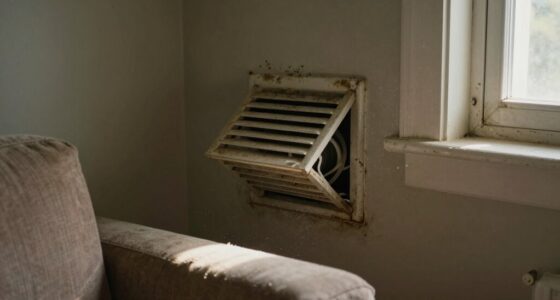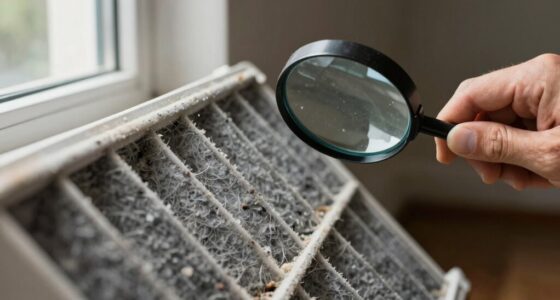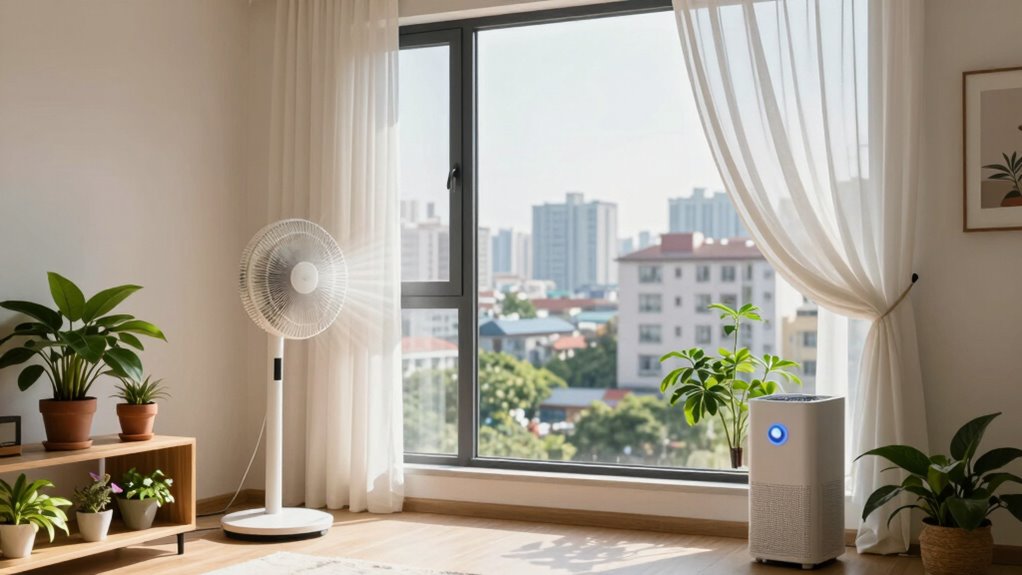

If you can’t modify your HVAC, improving air quality in your apartment is still doable with simple ventilation hacks. Keep windows open daily, even briefly, to promote air exchange. Use fans to draw in fresh air or push stale air out, especially near open windows. Create cross-ventilation by opening multiple windows or doors, and keep clutter to minimize dust buildup. You’ll discover effective ways to enhance your indoor air quality without major renovations as you explore these tips further.

Get books, candles and calm essentials delivered free — and shop member deals
- Fast, free delivery on millions of items
- Access to Prime Big Deal Days deals on October 6–7
- Prime Video, Amazon Music and more included
Key Takeaways
- Open windows daily to promote natural cross-ventilation and fresh air exchange.
- Use fans to enhance airflow and draw in outside air through open windows or doors.
- Create a makeshift ventilation system with strategically placed fans to circulate indoor air.
- Keep indoor spaces clutter-free and clean to minimize dust and improve airflow efficiency.
- Combine natural ventilation with air purifiers for optimal indoor air quality without HVAC modifications.
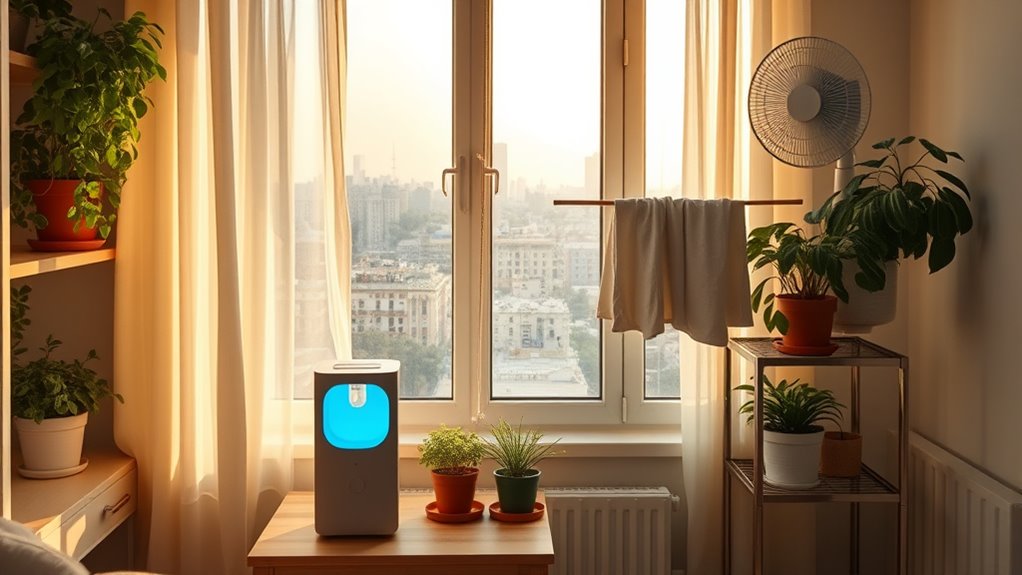
Living in an apartment means your indoor air quality can considerably impact your health and comfort. Since you often can’t modify the HVAC system or improve ventilation through major renovations, you need to get creative with simple yet effective hacks. One of the easiest ways to boost your air quality is by introducing indoor plants. Not only do they add a touch of greenery and aesthetic appeal, but they also naturally filter out toxins and increase moisture in the air. Plants like snake plants, pothos, and peace lilies are known for their air-purifying qualities and are easy to care for in confined spaces. Placing a few around your living area can help absorb formaldehyde, benzene, and other airborne pollutants, making the environment healthier and more inviting.
Indoor plants like snake plants and pothos naturally purify air and boost humidity in apartments.
In addition to greenery, choosing the right air purifier can make a notable difference. When selecting air purifier choices, look for models with HEPA filters, as they are highly effective at trapping dust, pollen, pet dander, and other small particles that can degrade indoor air quality. Activated carbon filters are also beneficial, especially if you smoke indoors or have concerns about odors and volatile organic compounds (VOCs). Opt for compact units designed for small spaces, and ensure they have a good CADR (Clean Air Delivery Rate) rating to guarantee they clean the air efficiently. Regularly running an air purifier can help reduce airborne allergens, mold spores, and pollutants that accumulate in apartment environments, where ventilation might be limited. Additionally, understanding air filtration systems can help you select the most effective equipment for your needs.
Beyond using indoor plants and air purifiers, you can improve airflow without major modifications by simply opening windows when weather permits, even if it’s just for a few minutes each day. Cross-ventilation can help exchange stale indoor air with fresh outdoor air, lowering the concentration of indoor pollutants. If outdoor air quality is poor, consider creating a mini-ventilation system by positioning fans near open windows to draw in fresh air or push out stale air. Also, avoid clutter that traps dust and allergens, and regularly clean surfaces and vacuum with a HEPA filter vacuum cleaner to prevent dust buildup.
While you may not have control over the building’s ventilation infrastructure, these small, intentional steps can profoundly improve your indoor air quality. Indoor plants, strategic air purifier choices, and simple ventilation hacks work together to create a healthier, more comfortable apartment environment. By staying mindful of these elements, you ensure that your living space remains a safe haven from indoor pollutants, even when major modifications aren’t an option.
Frequently Asked Questions
How Can I Tell if My Apartment’s Air Quality Is Poor?
You can tell if your apartment’s air quality is poor by using air quality sensors, which detect pollutants and allergens. Watch for signs like persistent odors, dust buildup, or mold detection, especially in damp areas. If you notice frequent sneezing, headaches, or respiratory issues, these could also indicate poor air quality. Regularly monitoring with sensors and inspecting for mold helps you stay aware and improve your indoor environment.
Are Air Purifiers Effective for Apartment Ventilation?
Imagine breathing crisp, fresh air in your apartment—portable air purifiers can help achieve that. They’re effective for filtering out pollutants when ventilation is limited, but their success depends on proper maintenance like regular filter changes. Keep your air purifier clean and positioned well for maximum airflow. While they don’t replace ventilation, they’re a smart addition to improve air quality, especially in small spaces where fresh air exchange is limited.
What Natural Plants Improve Indoor Air Quality?
You can improve indoor air quality with air purifying plants like snake plants, pothos, and peace lilies. These natural air filters absorb toxins and increase oxygen, making your space healthier. Place them near windows or in well-lit areas for best results. Not only do they enhance air quality, but they also add a touch of greenery. Incorporate these natural air filters into your apartment to breathe easier every day.
How Often Should I Clean Air Vents and Filters?
You should clean your air vents and replace filters every 1 to 3 months, depending on usage and air quality. Regular vent cleaning helps remove dust and debris that can reduce airflow and worsen indoor air quality. Make sure to check your filters monthly and change them when they look dirty or clogged. Consistent filter replacement and vent cleaning guarantee better ventilation and healthier indoor air.
Can Sealing Windows and Doors Affect Indoor Air Quality?
Sealing windows and doors with proper window insulation can improve draft prevention, but it can also influence indoor air quality if not done carefully. When you seal gaps, you might trap pollutants and reduce fresh airflow, leading to stale air. To maintain good air quality, ensure you balance sealing with proper ventilation, like using exhaust fans or air purifiers, so indoor air stays fresh while drafts are minimized.
Conclusion
Even if you can’t upgrade your HVAC, small changes can make a big difference. Think of your apartment as a boat on a choppy sea—ventilation hacks are your steady oars, steering clear of pollution’s storm. Crisp air becomes your anchor, grounding you amidst indoor pollutants. By combining simple tricks with mindful habits, you create a sanctuary where clean air flows freely, turning a cramped space into a breath of fresh air—your personal oasis in any apartment.
Fall Picks
fall essentials
As an affiliate, we earn on qualifying purchases.