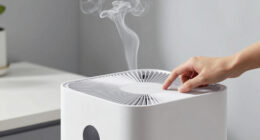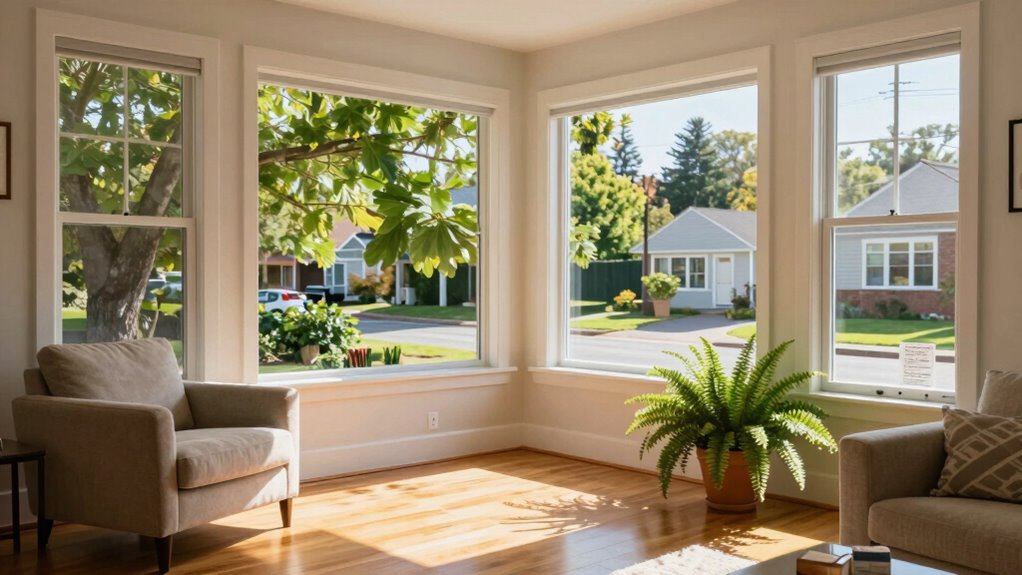

Opening windows for fresh air can boost indoor air quality and help reduce pollutants and humidity. However, you should verify outdoor air conditions first, especially during high pollution, pollen seasons, or bad weather like rain or strong winds. On days with good air quality, opening windows briefly can refresh your space. Staying mindful of outdoor conditions ensures you get the benefits without bringing in harm—keep exploring to learn more about making the best choice for your home.
Key Takeaways
- Check outdoor air quality indexes to ensure opening windows won’t introduce pollutants or pollen indoors.
- Open windows during times of good outdoor air quality, like early mornings or late evenings, for optimal ventilation.
- Avoid opening windows during high pollution, smog, or pollen seasons to prevent indoor air contamination.
- Consider weather conditions; avoid opening during rain, heavy wind, or storms to prevent moisture and debris entry.
- Balance natural ventilation with air purifiers for comprehensive indoor air quality management.

Have you ever noticed how much better your home feels after opening a window? That fresh burst of air can do wonders for your space, but it also prompts an important question: should you regularly open windows for fresh air? The answer depends on several factors, including outdoor air quality and the benefits of ventilation. Opening windows allows for natural ventilation benefits, which help improve indoor air exchange—an essential process that replaces stale, polluted indoor air with fresh outdoor air. This exchange helps reduce indoor pollutants, moisture, and odors, making your environment healthier and more comfortable. Proper indoor air exchange is vital because it prevents the buildup of pollutants that can cause allergies, respiratory issues, or even long-term health problems. It also helps control humidity levels, reducing the risk of mold and mildew growth, which thrive in damp, stagnant air. By regularly ventilating your home, you’re supporting a healthier living environment and promoting overall well-being. Additionally, using air purifiers alongside natural ventilation can further enhance indoor air quality by actively removing airborne contaminants. However, it’s important to consider outdoor air quality before throwing open those windows. If you live in an area with high pollution levels, smog, or pollen, opening windows might introduce more harm than good. On days when air quality indexes are poor, especially during smog alerts or high pollen seasons, it’s better to keep windows closed to prevent pollutants from entering your home. Conversely, during times of good outdoor air quality, opening windows for a few minutes each day can considerably boost indoor air exchange without exposing you to harmful particles. Another factor to think about is the weather. Opening windows on a breezy day can enhance air circulation, while doing so during heavy rain or strong winds might bring in moisture or debris, which could compromise your indoor environment. Also, consider the time of day; early mornings or late evenings often have better air quality, especially if pollution tends to spike during the day.
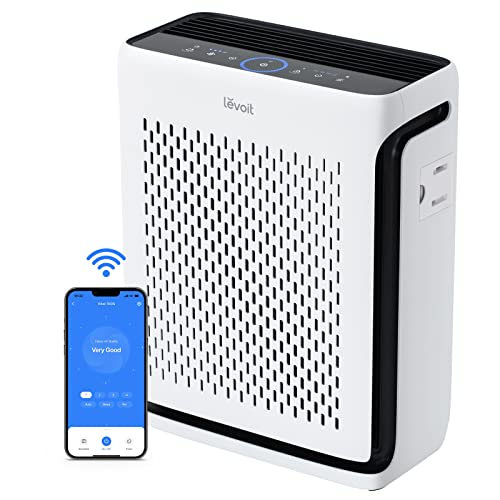
LEVOIT Air Purifier for Home Large Room Up to 1073Ft² with Air Quality Monitor, AHAM VERIFIDE, Smart WiFi, Washable Pre-Filter, HEPA Sleep Mode for Pets, Allergies, Dust, Pollen, Vital 100S-P, White
𝐖𝐇𝐘 𝐂𝐇𝐎𝐎𝐒𝐄 𝐀𝐇𝐀𝐌 𝐕𝐄𝐑𝐈𝐅𝐈𝐃𝐄 𝐀𝐈𝐑 𝐏𝐔𝐑𝐈𝐅𝐈𝐄𝐑𝐒: AHAM (Association of Home Appliance Manufacturers) is an ANSI-accredited organization that sets...
As an affiliate, we earn on qualifying purchases.
Frequently Asked Questions
How Do Indoor and Outdoor Air Quality Levels Compare in Urban Areas?
In urban areas, indoor air quality often worsens due to higher air pollution levels outside. You might find outdoor air more polluted, with smog and vehicle emissions, making ventilation strategies essential. To improve indoor air, keep windows open when outdoor pollution is low, or use air purifiers and ventilation systems. Monitoring outdoor air quality helps you decide when opening windows benefits your indoor environment, reducing pollutants and maintaining healthier air.
What Are the Health Risks of Opening Windows During Allergy Seasons?
Think opening windows during allergy season is a gust of fresh air? Think again. You risk increased pollen exposure, turning your home into a sneezing, itchy nightmare. Allergy flare-ups become inevitable as pollen chaos invades your sanctuary, making you wish for closed windows and a sealed vault. So, unless you want a relentless runny nose and watery eyes, keep those windows shut and save yourself the misery.
How Can I Improve Indoor Air Quality Without Opening Windows?
You can improve indoor air quality by using an air purifier with a HEPA filter to remove dust, allergens, and pollutants. Additionally, incorporate indoor plants like snake plants or pothos, which naturally filter toxins and boost oxygen levels. Keep your space well-ventilated by opening windows when outdoor air quality is good, but rely on air purifiers and plants when it’s not. Regular cleaning also helps maintain fresh air inside.
Are There Specific Times of Day When Outdoor Air Is Cleaner?
Early mornings and late evenings tend to have cleaner outdoor air, thanks to lower pollution levels. You can use air quality sensors to confirm these ideal times, avoiding outdoor pollution that peaks midday or during rush hours. By opening windows during these quieter periods, you enjoy fresher air and better indoor air quality. Trust your sensors and adapt your schedule to breathe easier and make the most of outdoor tranquility.
What Safety Precautions Should I Take When Opening Windows in High-Rise Buildings?
When opening windows in high-rise buildings, prioritize safety by checking for security hazards like unfastened or damaged windows. Always guarantee window lock safety is maintained; secure locks prevent accidental falls or unauthorized access. Avoid opening windows fully if they’re near ledges or busy areas, and be cautious during strong winds or storms. Use window guards or safety stops if available, and never leave children unattended near open windows.

LEVOIT Air Purifier for Home Allergies Pet Hair in Bedroom, Covers Up to 1073 ft² by 56W High Torque Motor, AHAM VERIFIDE, 3-in-1 Filter with HEPA Sleep Mode, Remove Dust Smoke Odor, Core300-P, White
WHY CHOOSE AHAM VERIFIDE AIR PURIFIERS: AHAM (Association of Home Appliance Manufacturers) is an ANSI-accredited organization that sets...
As an affiliate, we earn on qualifying purchases.
Conclusion
So, next time you’re debating whether to open that window, remember: fresh air is like a breath of life, invigorating your space and mind. While outdoor air quality varies, opening windows can be your secret weapon against stuffiness and indoor pollutants. Think of your home as a garden—ventilate it regularly to let in the sunshine and clear out the shadows. Don’t just breathe—breathe deep, and invite the outside in for a healthier, happier you.

WINIX 5510 Air Purifier (New Generation of 5500-2 with App Support) for Home Large Room Up to 1881 Ft² in 1 Hr, True HEPA, High Deodorization Carbon Filter and Auto Mode, Captures Pet Allergies, Smoke
𝐀𝐇𝐀𝐌 𝐕𝐞𝐫𝐢𝐟𝐢𝐝𝐞 𝐚𝐭 𝟑92 𝐬𝐪 𝐟𝐭.: Also cleans rooms up to 1,882 sq ft in 1 hour (941...
As an affiliate, we earn on qualifying purchases.
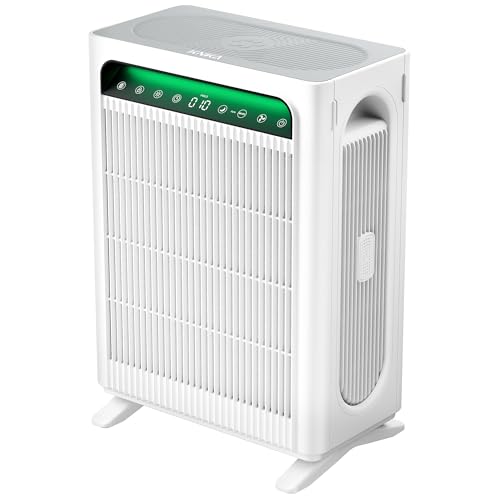
KNKA Air Purifier for Home Bedroom Large Room Up to 1,695 Ft² in 1 Hr, HEPA Air Cleaner with Washable Pre-Filter, AHAM VERIFIDE, AQI Display, ECO Mode, Pet Mode for Pets, Dust, Pollen, APH4000
𝐀𝐇𝐀𝐌 𝐕𝐞𝐫𝐢𝐟𝐢𝐞𝐝 & 𝐇𝐢𝐠𝐡 𝐂𝐀𝐃𝐑 𝐕𝐚𝐥𝐮𝐞: Certified by the Association of Home Appliance Manufacturers, this air purifier provides...
As an affiliate, we earn on qualifying purchases.