TL;DR
Meditation and mindfulness apps offer guided audio, timers, courses, reminders, and related tools that can help you build a practice around your day. They may support stress management and well-being for some people, but results vary, research on mindfulness generally does not prove that a particular app works, and an app cannot replace professional care. Choose based on teaching style, cost, accessibility, privacy, and whether you actually enjoy using it.
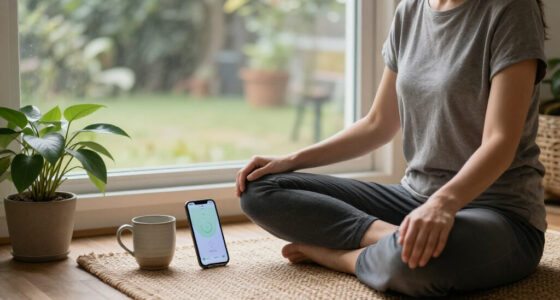
Your phone can guide a three-minute breathing break between meetings, then offer a sleep story when the house finally goes quiet. Meditation and mindfulness apps put that kind of practice within reach, with audio lessons, timers, courses, and reminders in one place.

Turn your quiet moments into listening time
- Thousands of audiobooks, podcasts and originals
- Listen on your phone, tablet or Echo — also offline
- Cancel anytime
That convenience can help when you are new to meditation or cannot get to a class. But a polished app is still a tool, not a promise of better sleep or calmer days. This guide explains what these apps offer, what research can and cannot tell you, and how to choose one that fits your routine, budget, beliefs, and privacy needs.
You will also find a simple way to compare options without letting streaks, big claims, or a crowded library make the choice for you. The best app is the one that gives you clear guidance and leaves room for practice to feel like your own.
Meditation apps combine tools such as guided audio, timers, reminders, courses, and sleep content; you do not need to use every feature.
Mindfulness research does not automatically prove that a particular app works; check whether that app itself has been studied.
Compare teaching style, accessibility, price, cancellation terms, offline access, privacy, and evidence before subscribing.
Start with a few comfortable minutes linked to a routine you already have, then adjust the format based on how it feels.
Stop or switch practices if meditation causes distress, and seek professional advice for persistent or severe symptoms.
What meditation apps give you in a few taps
Meditation and mindfulness apps are phone or web tools that offer guided audio, videos, timers, courses, reminders, and tracking to help you practise attention and awareness. Many add sleep stories, breathing exercises, movement, and relaxation, so a single app may cover more than sitting quietly. For example, you might use a five-minute guided session at lunch and a soundscape at bedtime.
Some apps teach one approach or serve a particular audience; others offer a broad library. A beginner may want a calm voice explaining what to do when thoughts wander, while an experienced meditator may prefer a silent timer with a bell. A large catalogue can be useful, but it can also feel like walking into a library with no shelf labels.
Common features include introductory sessions, short practices, themed courses on focus or self-compassion, and progress tracking. Apps use guided lessons to help people practise attention and awareness, but the content and teaching style differ. Treat the library as a menu: you do not have to try every dish to find one that works for you.
Pricing varies too. Some apps include a free timer and a handful of sessions, while subscriptions may open larger libraries, offline listening, or structured programs. Before you enter payment details, check what stays free and when a trial converts to a paid plan.
Products Worth Considering

LEVOIT Vital 200S-P Smart Air Purifier for Large Rooms up to 1875 ft², Quiet 27 dB Operation, AHAM Verifide, HEPA Sleep Mode, White

Dyson V12 Detect Slim Absolute Cordless Stick Vacuum

Ring Battery Doorbell Plus, Satin Nickel
As an affiliate, we earn on qualifying purchases.
What an app can—and cannot—do for your well-being
A meditation app can make instruction and routine easier to access, and mindfulness-based programs may help some people with stress, anxiety, depressive symptoms, or overall well-being. It cannot guarantee those outcomes, and results depend on the person, practice, and program. Imagine trying a guided breathing session after a tense commute: it may help you pause, but it cannot resolve the reason your commute is stressful.
Research on mindfulness programs offers reasons for interest, but app studies vary in design, duration, and quality. Evidence about mindfulness in general does not prove that a specific app has been tested or works for everyone. Look for clear information about research on the actual service, who took part, and what the study measured. Self-reported improvement is useful, but it is not the same as a diagnosis or a clinical assessment.
An app is a delivery tool. It may support a practice, much as a recipe card helps you cook, but it does not replace a qualified professional when you need assessment or treatment. If anxiety, depression, or sleep problems persist or feel severe, speak with a health professional. Meditation can feel uncomfortable for some people; you can stop, switch practices, or seek guidance.
That distinction helps keep expectations grounded. A short session may give you a useful moment of calm, while longer-term changes are uncertain and personal. Treat any bold promise as a cue to check the evidence, not as a result you should expect.
Compare apps by fit, evidence, cost, and privacy
The best meditation app for you is the one with clear instruction, a comfortable style, accessible features, fair pricing, and privacy practices you understand. No single brand is best for every listener. Picture a beginner who feels awkward sitting still: a short course with practical explanations may suit them better than a huge collection of advanced sessions.
Use this comparison when you try a few options. A free timer may be enough if you already know how you like to practise; a paid plan could make sense if you use its courses regularly. If you commute through patchy coverage, offline access may matter more than a streak counter.
| What to compare | Questions to ask | Why it matters |
|---|---|---|
| Teaching | Are the instructions clear? Do you like the voice and pace? | You are more likely to return to guidance that feels comfortable. |
| Cost | What is free? When does a trial renew? How do you cancel? | A low monthly price can still add up if you forget about it. |
| Access | Does it offer captions, adjustable playback, and offline listening? | Features should work with your needs and daily routine. |
| Privacy | What does it collect, share, and let you delete? | Mood entries and usage patterns can reveal personal details. |
| Evidence | Has this specific app been studied, and what did researchers measure? | General mindfulness research does not validate every app. |
Check the privacy policy and settings before recording mood or health details. Ask what data the company collects, why it uses it, whether it shares it, and how long it keeps it. A wellness label alone does not tell you how sensitive information gets handled.
Also preview the language. Meditation has roots in religious and philosophical traditions, while many current apps present secular practices. If a particular framing matters to you, listen to a sample first; two apps can teach breathing with very different words and assumptions.
Start a practice without turning it into another chore
You can start with a few comfortable minutes and choose a practice you are willing to repeat. There is no required session length or universal daily quota. For instance, if your mornings already feel rushed, a brief pause after lunch may fit better than a grand plan to meditate before sunrise.
- Pick one moment. Tie practice to something you already do, such as sitting down after lunch or turning off your bedside lamp.
- Choose a short session. Try a few minutes of guided breathing, a body scan, or a quiet timer. Pick the format that feels least awkward.
- Notice what happens. You may feel calmer, bored, restless, or distracted. Those reactions are information, not a score.
- Adjust the next session. Try a different voice, shorter audio, silent timer, or movement-based practice if the first format does not fit.
- Review after a week or two. Ask whether the app makes practice easier and whether you want to continue. Cancel a trial if the answer is no.
This small experiment works better than chasing a perfect streak. A missed day does not erase what you practised, and streaks measure app use rather than health. Let a reminder serve as a gentle nudge; turn it off if it starts to sound like a scolding alarm.
Distraction is part of many practices, not proof that you are doing it wrong. If a guided voice keeps pulling your attention, try listening to nearby sounds or focusing on a slow walk. The skill may be noticing that your mind wandered and returning to one breath, one sound, or one step.
Know when to pause, switch methods, or seek support
An app is a poor fit when its practice leaves you distressed, its claims feel misleading, or its reminders add pressure. You can pause or stop without failing. Someone who tries a quiet body scan and feels more unsettled might switch to a short movement session, focus on sounds in the room, or stop and speak with a trusted professional.
Mindfulness does not require an empty mind. Thoughts will arrive like cars passing outside a window; the practice is often noticing them, then choosing where to place your attention again. Still, people respond differently. If meditation repeatedly brings up distress, there is no need to push through just because an app labels a course as beginner-friendly.
Keep health claims in perspective, too. An app can offer exercises that some people find useful for managing everyday stress, but it cannot diagnose anxiety, depression, or insomnia. Persistent or severe symptoms deserve a conversation with a qualified health professional, who can help you consider appropriate care.
Workplaces, schools, and health organizations sometimes provide app access as part of a broader well-being offering. The version available through a program may differ from an individual subscription, and participation does not mean the app has been clinically validated for your situation. Check what support comes with the program and whether your activity or personal entries are visible to anyone else.
Use the app as a door into practice, not a test you must pass. If a door feels uncomfortable, you can choose another one.
That is the useful balance: take the convenience, keep your expectations realistic, and let your experience guide the next step. The goal is not to collect minutes or badges. It is to find an approach that feels safe, workable, and worth returning to.
Frequently Asked Questions
Do meditation apps actually work?
Some people find meditation apps helpful for building a routine or managing everyday stress. Results vary, and research on mindfulness programs does not automatically show that every app is effective. Check whether the specific app has been studied and remember that it is not a replacement for professional care.
How long should I meditate as a beginner?
There is no required session length. A few minutes may feel manageable when you are starting, while longer practices suit other people. Pick a duration you can approach comfortably and adjust it if the session feels rushed or too long.
Are free meditation apps good enough?
A free app may be enough if it offers a timer or guided sessions that suit your needs. Paid subscriptions often add larger libraries, courses, or offline access. Read the trial and cancellation terms so a free trial does not become an unwanted charge.
Can a meditation app help with anxiety, depression, or insomnia?
An app may support some people with symptoms, but it cannot diagnose a condition or promise treatment. If symptoms persist or feel severe, talk with a qualified health professional. Stop or change the practice if meditation makes you feel distressed.
How can I check whether a meditation app is private?
Read the privacy policy and review the app’s settings. Check what information it collects, why it collects it, whether it shares the data, how long it keeps it, and whether you can delete entries. Mood and health check-ins can be sensitive even in a wellness app.
Conclusion
Choose an app that makes a small, comfortable practice easier to begin. Try a sample, check the cost and privacy settings, and give yourself permission to switch if the voice, format, or claims do not sit right with you. A timer, a short guided session, or a quiet walk can all be valid starting points.
Let the app be a doorway, not a scoreboard. The useful part is the moment you notice your mind has wandered and gently return to the day in front of you.