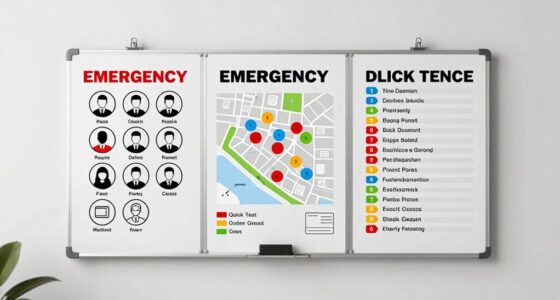
In an outage, your building can’t rely on balcony generators, so expect outdoor spaces to be without power. Communication is key; stay informed through multiple channels about expected timelines and safety instructions, especially for elevator and heat outages. Always follow safety protocols, such as avoiding stairs with mobility issues or using alternative heating if necessary. If disruptions occur, building staff will guide you on emergency steps. Keep exploring to learn how to stay safe and prepared during these situations.
Open a free Amazon Business account
Business pricing, bulk buying and tax-exempt orders.
As an affiliate, we earn on qualifying purchases.
Key Takeaways
- Establish multiple communication channels to inform residents about outages and expected timelines proactively.
- Provide clear safety guidelines for elevator use, heat management, and emergency procedures during outages.
- Educate residents that balcony generators are typically unavailable; encourage stocking emergency supplies.
- Designate building staff or contacts for resident assistance, especially during medical or mobility emergencies.
- Develop and share comprehensive outage response plans focusing on safety, clear communication, and timely service restoration.
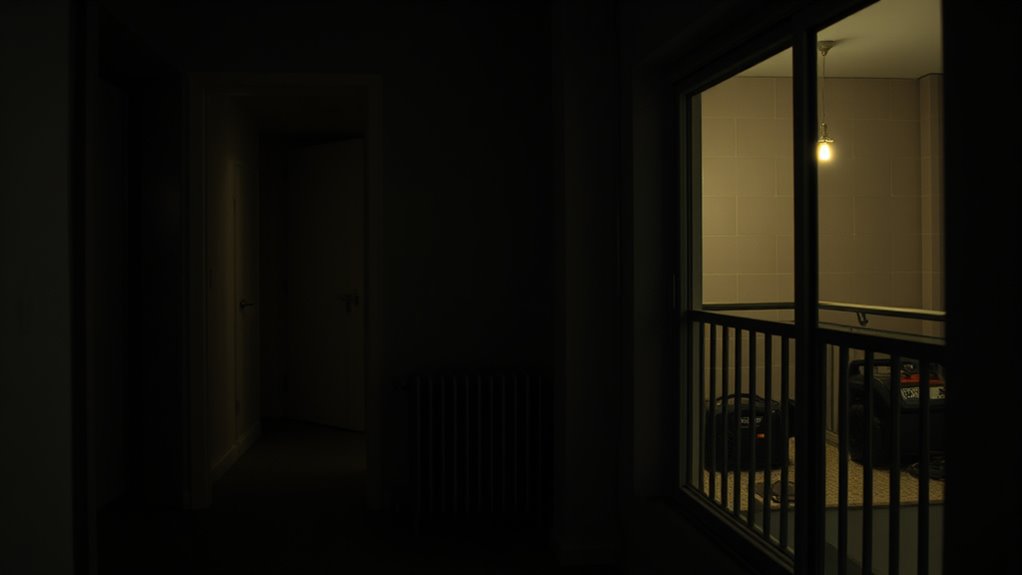
When planning for an apartment outage, it is essential to prepare thoroughly to minimize disruptions. You want to guarantee that everyone remains safe and informed throughout the process, especially when it comes to critical systems like elevators and heating. Clear emergency communication is indispensable. Before the outage begins, establish a reliable way to notify residents about scheduled work, expected timelines, and any immediate safety concerns. Use multiple channels—texts, emails, posted notices—to make sure everyone gets the message. During the outage, keep communication lines open. If issues arise or delays occur, prompt updates can reduce confusion and anxiety. This ongoing communication is the backbone of tenant safety protocols, helping residents understand what to expect and how to act if emergencies happen. It’s also essential to have a plan for immediate response in case someone faces a medical emergency or becomes stranded due to elevator failure.
Effective outage planning includes clear communication, multiple channels, and emergency response plans to ensure resident safety and minimize disruptions.
Tenant safety protocols should include clear instructions on how to handle outages safely. For example, if the elevator is out, remind tenants to avoid using stairs if they have mobility challenges or if stairs are unsafe. Provide guidance on where to seek assistance if necessary. For heat outages, inform residents about alternative heating options, such as portable heaters or designated warming areas, and emphasize safety precautions to prevent fire hazards. Making sure tenants know how to respond reduces panic and guarantees everyone’s safety. It’s also a good idea to designate building staff or emergency contacts who can assist residents during outages. These protocols should be communicated well in advance, with printed materials or digital resources readily accessible. Additionally, understanding the limitations of backup power solutions, such as generators, is crucial since most apartment buildings do not have backup generators for outdoor spaces like balconies, making it important to plan accordingly.
You should also be aware of the limitations of power sources—particularly the common “no balcony generators” rule. Most apartment buildings don’t have backup generators for outdoor spaces, so it’s paramount to prepare for outages without relying on such equipment. Encourage residents to keep emergency supplies on hand—batteries, flashlights, bottled water—and remind them not to depend on balcony generators or similar setups, which are often unavailable or prohibited. Knowing what’s effective and what’s not in an outage situation helps everyone stay safe and reduces frustration.
Ultimately, thorough planning, effective communication, and strict tenant safety protocols make all the difference during an apartment outage. By staying proactive, informing residents at every stage, and preparing for emergencies, you keep disruptions to a minimum and guarantee that everyone remains safe until full power and services are restored.
Frequently Asked Questions
How Long Can Outages Typically Last During Planned Maintenance?
Outages during planned maintenance usually last a few hours to a full day, depending on the scope. You should stay aware of outage frequency to prepare accordingly. Remember, generator safety is essential; never attempt to operate backup generators yourself. Maintenance schedules aim to minimize inconvenience, but outages can sometimes extend unexpectedly. Always stay informed with your building management for updates and safety instructions during these periods.
Are There Alternative Power Sources for Essential Appliances?
During outages, you might have access to emergency preparedness measures like backup generators or alternative energy sources, but these aren’t always guaranteed for all essential appliances. Check with your building management about available options, such as battery backups or portable generators. Staying informed helps you plan ahead and guarantees your safety and comfort during power disruptions. Always have a plan to keep crucial appliances running when traditional power sources fail.
What Safety Measures Are in Place During Outages?
During outages, you’re protected by strict safety measures. Emergency preparedness protocols are in place, ensuring quick responses to hazards. Communication protocols keep you informed through alarms, alerts, and updates, so you’re never left in the dark. Backup systems prioritize essential services, minimizing risks. Stay alert and follow instructions; these safeguards are designed to protect your safety and keep you calm amid the unexpected.
How Do Outages Affect Residents With Medical Equipment?
Outages can threaten your medical device safety, especially if power loss affects your essential equipment. During emergencies, you should have a backup plan, like battery-operated devices or a generator if available. Stay prepared by keeping emergency supplies and knowing how to quickly access medical assistance. Your proactive emergency preparedness helps guarantee your safety and the reliable operation of your medical devices during power outages.
Can Residents Receive Advance Outage Notifications?
Yes, residents can receive advance outage notifications. The property typically follows notification procedures to guarantee effective resident communication. You should be informed through emails, notices, or direct messages before planned outages, especially when critical services like elevators or heat are affected. Stay attentive to these updates, and contact management if you don’t receive timely information, so you’re prepared and can make necessary arrangements.

Hihealer Meditation Cushion, Traditional Tibetan Meditation Pillow Velvet Cover - Large Floor Cushion Seating for Adults - Yoga Buckwheat Bolster for Women、Moms
- Comfort and Support: Ergonomic design for extended meditation
- Premium Velvet Cover: Soft, luxurious cover adds elegance
- Buckwheat Filling: Natural hulls for customizable firmness
As an affiliate, we earn on qualifying purchases.
Conclusion
When an outage hits, knowing your building’s plan keeps you prepared. Imagine losing heat during winter—without backup, it’s uncomfortable and unsafe. For example, a building that prioritized generator access avoided residents freezing through a blackout. Stay informed about your apartment’s protocols, keep essentials handy, and communicate with management. Being proactive guarantees you stay safe and comfortable, even when the unexpected strikes. Remember, a well-prepared plan makes all the difference.
Labor Day sales Picks
labor day deals
As an affiliate, we earn on qualifying purchases.