Firmness doesn’t automatically mean your pillow supports your neck well. True support comes from how well it conforms to your natural curves and promotes proper alignment. An overly firm pillow can cause pressure points and discomfort, while a supportive one adapts to your shape and cushions pressure. Finding the right balance of resistance and flexibility is key. If you’re curious about how to choose the best support, there’s more to learn about ergonomic design and proper materials.
Key Takeaways
- Firmness refers to resistance, but true support depends on how well a pillow conforms to natural neck curves.
- Overly firm pillows can cause pressure points, leading to discomfort despite their firmness.
- Supportive pillows mold to your shape, maintaining proper alignment without forcing unnatural positions.
- The right support balances firmness and flexibility, ensuring comfort and ergonomic alignment.
- Material choice, such as memory foam, impacts supportiveness more than firmness alone.

Neck support plays a essential role in maintaining proper alignment and reducing strain, especially during long periods of sitting, sleeping, or travel. When choosing a pillow or support device, understanding the basics of ergonomics principles can make all the difference. Ergonomics isn’t just about comfort; it’s about designing support that promotes healthy posture and minimizes stress on your neck muscles and spine. An ergonomic pillow design considers these principles to guarantee your head, neck, and shoulders are properly aligned, which helps prevent stiffness, pain, and long-term issues.
Proper ergonomic support aligns your head, neck, and shoulders to prevent pain and promote healthy posture.
Many people mistakenly believe that a pillow labeled as “firm” automatically provides better support. But firmness alone doesn’t determine whether a pillow is supportive in an ergonomic sense. Supportiveness hinges on how well the pillow conforms to your natural curves and distributes pressure evenly. A pillow that’s too firm might push your head forward or cause pressure points, leading to discomfort and poor posture. Conversely, a supportive pillow adapts to your shape, providing consistent support without forcing your neck into unnatural positions. It’s about finding a balance where the pillow offers enough resistance to hold your head comfortably, yet remains flexible enough to contour to your unique anatomy.
When considering an ergonomic pillow design, pay attention to the materials used. Memory foam, for example, molds to your shape, offering customized support that aligns with ergonomic principles. These materials help maintain the natural curve of your neck, which is essential for reducing strain. Supportive pillows should also have an appropriate height and firmness level tailored to your sleeping position—whether you sleep on your back, side, or stomach. For side sleepers, a slightly higher pillow that fills the space between your ear and shoulder works best. For back sleepers, a medium height pillow that supports the cervical spine is ideal. Stomach sleepers often need a softer, flatter pillow to prevent neck extension and discomfort. Additionally, choosing a pillow made from supportive materials can enhance ergonomic benefits by providing better conformity and pressure distribution.
Ultimately, the key lies in choosing a pillow that is both supportive and ergonomic, rather than simply firm. Proper support involves aligning your head and neck with your spine, which can prevent muscle tension and improve sleep quality. When you follow these principles, you’ll notice less waking up with neck pain and stiffness. Remember, support that’s truly ergonomic is designed with your body’s natural curves in mind, ensuring comfort and health in every restful moment.

DONAMA Cervical Pillow for Neck and Shoulder,Contour Memory Foam Pillow,Ergonomic Neck Support Pillow for Side Back Stomach Sleepers with Pillowcase
【Quality Sleep Starts With A Good Pillow】Are you always waking up with back cramps or neck pain? Experience…
As an affiliate, we earn on qualifying purchases.
As an affiliate, we earn on qualifying purchases.
Frequently Asked Questions
How Do I Determine My Ideal Neck Support Firmness Level?
To determine your ideal neck support firmness level, start with your firmness preferences by considering whether you prefer a softer or firmer feel. Conduct a support level assessment by trying different pillow options, noting how each supports your neck during sleep or rest. Pay attention to how your neck feels in the morning—if it’s sore or strained, adjust firmness until you find a balance that keeps your neck aligned comfortably.
Can a Pillow Be Both Firm and Supportive at the Same Time?
Yes, a pillow can be both firm and supportive at the same time. Look for one with high-quality materials that guarantee durability and maintain shape over time. An ergonomic design helps contour to your neck and head, providing proper support. When choosing, consider how the pillow’s firmness offers stability without sacrificing comfort, ensuring it stays supportive and durable through regular use for a better night’s sleep.
Are There Specific Materials That Provide Better Neck Support?
Think of materials as your neck’s best friends—memory foam and latex foam are top contenders. Memory foam molds to your shape, offering personalized support like a gentle hug, while latex foam springs back quickly, providing resilient support that keeps your neck aligned. Both materials are excellent choices, depending on whether you prefer a softer, contouring feel or a springy, supportive lift. Your neck will thank you for choosing wisely!
How Often Should I Replace My Neck Support Pillow?
You should replace your neck support pillow every 1 to 2 years, depending on its pillow durability. Regularly check for signs of wear like flattening, loss of shape, or persistent odors. Following a consistent replacement schedule guarantees you maintain ideal support and comfort. If your pillow starts to lose its firmness or shows visible signs of deterioration, it’s time for a new one to prevent neck pain and ensure proper alignment.
Do Support Needs Change With Age or Health Conditions?
As you age or face health conditions, your support needs shift. Age-related changes can weaken muscles, requiring softer or more adaptable pillows, while certain health issues like neck injuries demand firmer, more precise support. You might find that what once worked no longer offers comfort or relief. Pay attention to your body’s signals and adjust your pillow choice accordingly, ensuring maximum support and comfort tailored to your evolving needs.
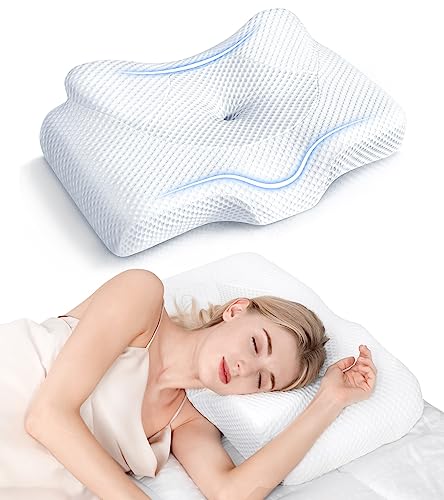
Osteo Cervical Pillow for Neck Pain Relief, Hollow Design Odorless Memory Foam Pillows with Cooling Case, Adjustable Orthopedic Bed Pillow for Sleeping, Support for Side Back Sleepers
【STOP! THE NECK PAIN & SLEEPLESS NIGHTS ARE OVER!】After years of discomfort, you've found salvation at last! Meet…
As an affiliate, we earn on qualifying purchases.
As an affiliate, we earn on qualifying purchases.
Conclusion
Remember, reliable neck support isn’t about firmness alone; it’s about the right fit and feel. Don’t settle for just ‘firm’—seek supportive, snug, and soothing solutions that suit your specific needs. By understanding the difference, you’ll make smarter, safer choices, steering clear of discomfort and damage. So, stay savvy, select supportive, and enjoy serene, secure neck support that truly supports you. Your neck deserves nothing less than the best!
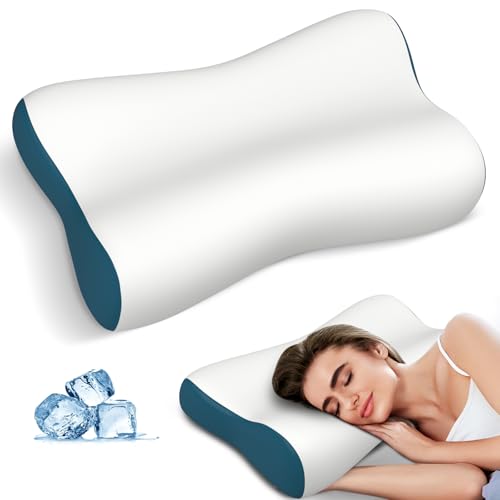
Cervical Neck Pillow for Pain Relief, Contour Memory Foam Pillows for Sleeping, Ergonomic Pillow Orthopedic Cooling Pillow Bed Pillow Neck Support for Side Back Stomach Sleepers
【Pain-Relief Cervical Neck Pillow】Do you suffer from insomnia all night? Do you wake up with neck cramps or…
As an affiliate, we earn on qualifying purchases.
As an affiliate, we earn on qualifying purchases.

Ultra Pain Relief Cooling Pillow for Neck Support, Adjustable Cervical Pillow Cozy Sleeping, Odorless Ergonomic Contour Memory Foam Pillows, Orthopedic Bed Pillow for Side Back Stomach Sleeper
REVOLUTIONIZE YOUR SLEEP WITH THE INNOVATIVE HOLLOW CONCAVE DESIGN – Tired of waking up with neck pain and…
As an affiliate, we earn on qualifying purchases.
As an affiliate, we earn on qualifying purchases.