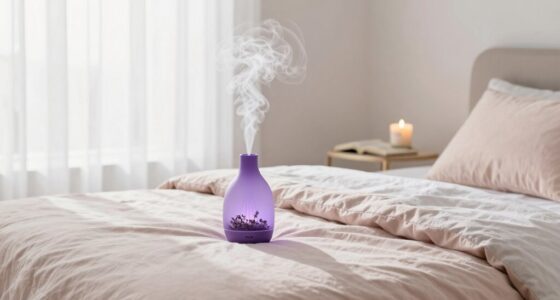

Many people wrongly believe that any humidity level is okay for sleep. In reality, the ideal range is between 40% and 60%. Too dry and you’ll wake with dry eyes, sore throat, or snoring; too damp and mold or dust mites can worsen allergies. Proper humidity supports comfortable, healthy sleep—and if you want to find out how to get it just right, there’s more to discover below.
Key Takeaways
- The ideal sleep humidity range is 40-60%, but many people mistakenly assume higher levels are more comfortable.
- Humidity below 40% can cause dry eyes, sore throat, and increased snoring, while above 60% promotes mold and allergies.
- Proper monitoring with a hygrometer helps maintain the correct range; guesswork often leads to discomfort.
- Many people over-humidify or dehumidify without adjusting based on real measurements, disrupting sleep comfort.
- Maintaining correct humidity levels supports better breathing, prevents microbial growth, and enhances overall sleep quality.

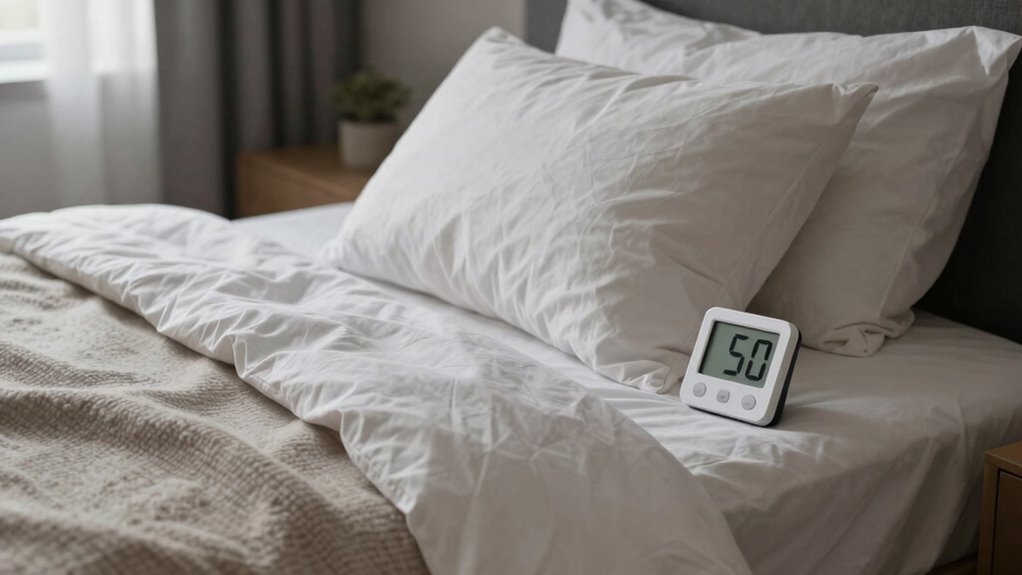
TempPro TP50 Digital Hygrometer Indoor Thermometer Room Thermometer and Humidity Gauge with Temperature Humidity Monitor(Previously ThermoPro)
Wellness Indicator: This humidity meter with humidity level icon indicates air conditions – DRY/COMFORT/WET, allowing this humidity sensor…
As an affiliate, we earn on qualifying purchases.
As an affiliate, we earn on qualifying purchases.
Why Humidity Levels Matter for Restful Sleep
Maintaining proper humidity levels in your bedroom is essential for achieving restful sleep. When humidity is too low, your nasal passages and throat dry out, making you uncomfortable and increasing your chances of waking up throughout the night. Dry air can also cause skin irritation and exacerbate respiratory issues, disrupting your sleep cycle. Additionally, Dry air can lead to increased static electricity, which may be irritating during sleep. Conversely, high humidity creates a damp environment that promotes mold growth and dust mites, which can trigger allergies and asthma symptoms. Both extremes interfere with your ability to enter and stay in deep sleep stages. Keeping humidity within the ideal range helps your body maintain moisture balance, supports clear breathing, and creates a comfortable environment, all of which are vital for restorative sleep. Proper humidity levels also influence indoor air quality, further affecting sleep quality and overall health. Additionally, maintaining optimal humidity can also help preserve the performance of your home theater equipment, ensuring clear visuals and sound quality during your movie nights. Ensuring the right humidity level also contributes to overall indoor air quality, which is crucial for healthy sleep.

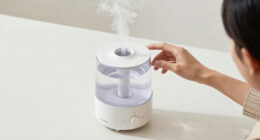
LEVOIT Top Fill Humidifiers for Bedroom, 2.5L Tank for Large Room, Easy to Fill & Clean, 28dB Quiet Cool Mist Air Humidifier for Home Baby Nursery & Plants, Auto Shut-off for Safety, 25H
𝙁𝙖𝙨𝙩 𝙃𝙪𝙢𝙞𝙙𝙞𝙛𝙞𝙘𝙖𝙩𝙞𝙤𝙣 𝘼𝙡𝙡 𝙉𝙞𝙜𝙝𝙩: Runs for up to 25 hours on low thanks to its SUPER LARGE capacity…
As an affiliate, we earn on qualifying purchases.
As an affiliate, we earn on qualifying purchases.
The Common Mistakes in Setting Bedroom Humidity

One common mistake people make when setting their bedroom humidity is relying solely on a hygrometer without considering seasonal or environmental changes. You might think that once you’ve set a specific humidity level, it stays perfect year-round, but this isn’t true. External factors like heating in winter or air conditioning in summer can drastically alter indoor moisture levels. Ignoring these shifts can lead to overly dry or humid conditions, both of which disrupt sleep and cause discomfort. Additionally, some assume that a cheap or outdated hygrometer provides accurate readings, which isn’t always the case. Without regularly calibrating your device or adjusting for seasonal variations, you risk maintaining an unhealthy or uncomfortable environment. Properly managing humidity means paying attention to these nuances, not just relying on a single reading. Smart home automation can help monitor and adjust humidity levels automatically to maintain optimal sleep conditions throughout the year, especially when integrated with connected sensors that track environmental changes in real time. Being aware of indoor climate fluctuations helps you create a more consistent and comfortable sleeping environment, and understanding how humidity levels impact sleep quality further emphasizes the importance of ongoing monitoring.
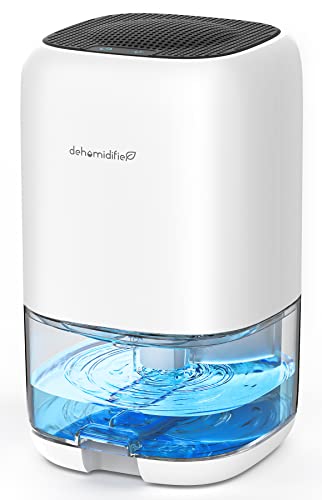
Dehumidifier, 35 OZ Small Dehumidifiers for Bedroom for Home, Quiet with Auto Shut Off, Dehumidifiers for Bedroom (280 sq. ft), Bathroom, RV, Closet, White
High Efficient Dehumidifiers for Home: Still annoyed about the muggy weather? Just Take it easy! have a try…
As an affiliate, we earn on qualifying purchases.
As an affiliate, we earn on qualifying purchases.
The Ideal Humidity Range for Sleep Comfort
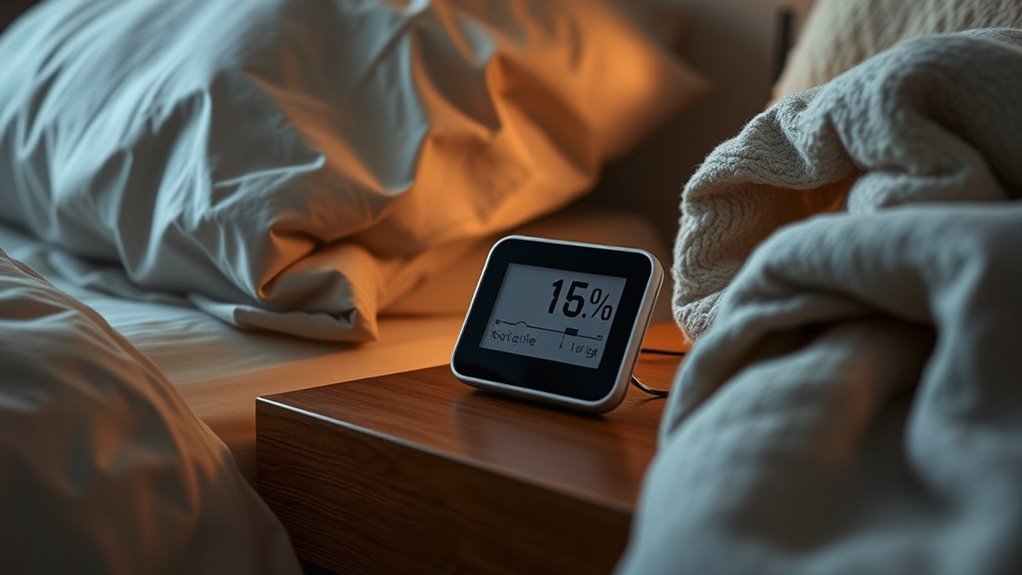
Achieving ideal sleep comfort depends largely on maintaining the right humidity level in your bedroom. Experts recommend keeping humidity between 40% and 60%. Within this range, you’ll likely experience fewer dry skin issues, less congestion, and a lower chance of mold growth. If humidity drops below 40%, you may notice dry eyes, sore throat, and increased snoring. Above 60%, mold and dust mites thrive, potentially aggravating allergies and asthma. Using a hygrometer helps you monitor levels accurately. Adjust your settings with a humidifier or dehumidifier as needed. Maintaining this ideal range creates a comfortable environment that promotes restful sleep, reduces discomfort, and supports overall health. Proper humidity control can also prevent the growth of mold and bacteria that thrive outside the recommended range. Additionally, many Gold IRA markets now emphasize the importance of a healthy environment for long-term well-being, highlighting how environmental factors like humidity can impact overall health. Ensuring proper air quality is essential for a good night’s sleep and overall wellness. Maintaining optimal humidity levels also helps prevent the proliferation of mold spores, which can worsen respiratory issues during sleep. Proper humidity levels are also crucial for respiratory health, as they help regulate mucus production and airway comfort during rest.

Govee Digital Hygrometer Indoor Thermometer Room H5075, Bluetooth Temperature Humidity Meter with 164ft Remote App Control, Notification Alerts, 2 Years Data Storage Export for Bedroom, Wine Cellar
Smart Features: The Govee Wireless Thermometer Hygrometer supports all basic functions as well as smart functions such as…
As an affiliate, we earn on qualifying purchases.
As an affiliate, we earn on qualifying purchases.
Signs Your Sleep Environment Has Incorrect Humidity
If you wake up with a persistent dry throat, it might mean your room’s humidity is off. You could also notice mold or dust buildup, which are signs of excessive moisture or dryness. Recognizing these indicators can help you adjust your environment for better sleep quality. Additionally, monitoring your zodiac traits may reveal how your personal tendencies influence your comfort needs. Maintaining proper humidity levels is essential for preventing respiratory issues that can disrupt sleep and overall health. Ensuring your humidification system is properly maintained can further improve your sleep environment. Paying attention to indoor air quality can also help optimize your sleep conditions and overall well-being. Regularly checking and adjusting your humidifier’s settings can help maintain the ideal range for restful sleep.
Persistent Dry Throat
A persistent dry throat during sleep often signals that your bedroom’s humidity levels are off. When the air is too dry, your throat dries out, causing discomfort and waking you up. You might also notice other signs that your environment isn’t ideal.
- Waking up with a scratchy or sore throat
- Feeling constant dryness in your mouth and nasal passages
- Increased throat clearing or coughing overnight
- Chapped lips that won’t heal
- A lingering tickle or irritation that disrupts sleep
If you experience these symptoms regularly, it’s worth checking your room’s humidity levels. Adjusting the humidity to a comfortable range can help keep your throat moist and reduce discomfort. Proper indoor humidity not only improves sleep quality but also supports your overall respiratory health. Using a humidifier can effectively maintain optimal humidity levels and prevent these issues. Maintaining the correct humidity range can prevent the growth of mold and dust mites that thrive in overly humid environments, further contributing to better respiratory health.
Mold and Dust Buildup
When your bedroom’s humidity levels are too high or too low, mold and dust can quickly become problems. Excessive humidity creates a perfect environment for mold growth on walls, bedding, and furniture, which can trigger allergies and respiratory issues. You might notice a musty smell or visible black spots indicating mold presence. Low humidity, on the other hand, encourages dust accumulation, as dust mites thrive in dry conditions. If you find yourself sneezing more, coughing, or waking up with congestion, these signs could point to improper humidity. Dust buildup on surfaces and bedding also increases. Maintaining the right humidity level helps prevent mold from spreading and keeps dust mites in check, ultimately supporting better sleep and a healthier environment. Proper ventilation and humidity control can also reduce the likelihood of Free Floating particles settling in your sleeping area. Additionally, consistent humidity levels can improve overall indoor air quality, making your sleep environment more comfortable and safe. Regularly monitoring and adjusting humidity levels can further prevent microbial growth and promote a cleaner, healthier space. Using humidifiers or dehumidifiers can be effective tools to help maintain these optimal conditions.
How to Measure and Adjust Your Bedroom’s Humidity
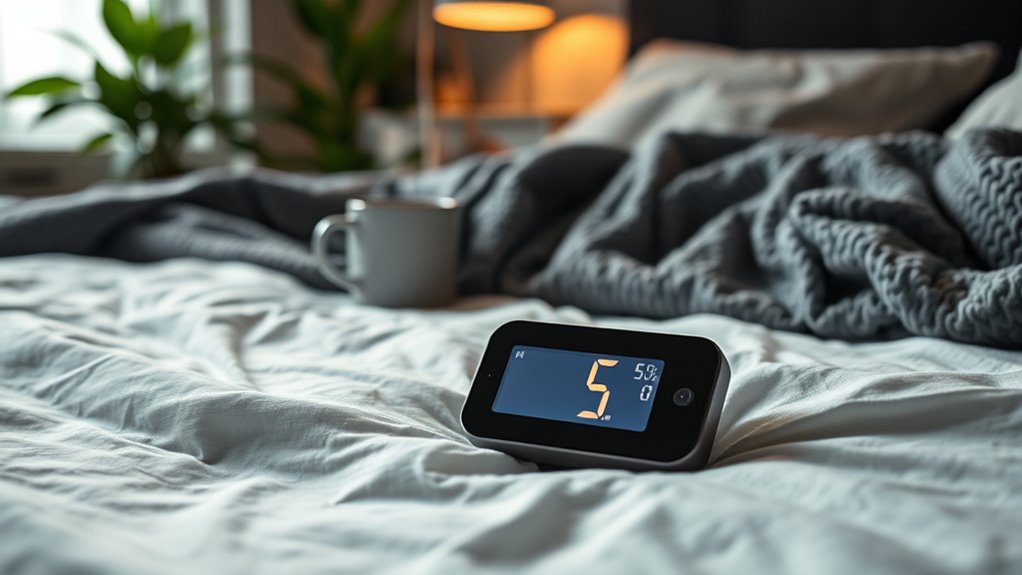
To effectively manage your bedroom’s humidity, you need to know how to measure it accurately. A hygrometer is your best tool—it gives real-time readings of moisture levels. Place it in your bedroom away from windows, vents, or direct sunlight for an accurate reading. Once you know your current humidity, you can adjust it with simple steps:
- Use a humidifier if levels are below 40%, especially in dry seasons
- Decrease humidity with a dehumidifier or vent fans if it’s above 60%
- Keep doors open to promote air circulation
- Use moisture-absorbing products like silica gel packs or charcoal
- Regularly check the hygrometer to monitor changes and maintain a consistent range
Knowing how to measure and adjust helps create a comfortable, healthy sleep environment.
Tips for Maintaining the Perfect Sleep Climate

Keeping your bedroom at the right humidity level helps you sleep better and breathe easier. Aim for an ideal range, usually between 40% and 60%, to create a comfortable environment. Using a humidifier can make maintaining this balance simple and effective.
Ideal Humidity Levels
Achieving the right humidity level is essential for a comfortable and restorative sleep environment. The ideal range is typically between 40% and 60%. Staying within this range helps prevent dry skin, irritated sinuses, and respiratory issues while reducing the risk of mold and dust mites. To maintain this balance, monitor your indoor humidity regularly with a hygrometer. Keep windows open when weather permits, and consider adjusting your thermostat to support proper humidity levels. Avoid excessive humidity, which can cause dampness and mold, or too low, which leads to dryness. Consistency is key—small adjustments make a big difference in creating a sleep-friendly climate. Being mindful of these tips helps you enjoy better sleep and wake up feeling refreshed.
Using a Humidifier
Using a humidifier can be a simple and effective way to maintain the ideal sleep environment, especially during dry seasons or in homes with low humidity. To get the best results, place the humidifier in your bedroom, away from direct contact with bedding or furniture, and keep it at a safe distance from your bed. Regularly clean and disinfect the device to prevent mold and bacteria buildup. Use a hygrometer to monitor humidity levels, aiming for the recommended range of 40-60%. Adjust the humidity output as needed—if your skin feels dry or your throat is sore, increase it; if you notice condensation or mold, decrease it. Proper use guarantees a comfortable, healthy sleep climate without over-humidifying.
Frequently Asked Questions
How Does Humidity Affect Sleep Quality Beyond Comfort?
Higher humidity levels can increase your risk of mold and dust mites, which may trigger allergies and respiratory issues, disrupting your sleep. Conversely, very low humidity can cause dry skin, nasal congestion, and throat irritation, making it harder to rest peacefully. Maintaining ideal humidity balances these risks, supporting better breathing and overall health. When your environment is just right, you’ll fall asleep faster and stay asleep longer, improving your sleep quality.
Can Fluctuating Humidity Levels Disrupt Sleep Patterns?
Yes, fluctuating humidity levels can disrupt your sleep patterns. When humidity varies, it causes your body to work harder to regulate temperature and moisture levels, leading to discomfort and frequent awakenings. Sudden changes can also cause dryness or congestion, making it harder to fall asleep or stay asleep. To improve your sleep, maintain a consistent humidity level in your bedroom, ideally between 40-60%, for a more restful night.
What Are the Health Risks of Incorrect Bedroom Humidity?
Incorrect bedroom humidity can pose serious health risks. About 40% of indoor air quality issues stem from improper humidity levels, leading to respiratory problems, allergies, and skin irritation. When humidity is too low, you risk dry skin and increased susceptibility to colds. Too high, and mold or dust mites thrive, worsening asthma and allergies. Maintaining ideal humidity helps protect your respiratory health and promotes restful sleep.
Do Different Seasons Require Different Humidity Adjustments?
Yes, different seasons do require humidity adjustments. During winter, you should increase humidity levels to prevent dry skin and respiratory issues caused by cold, dry air. In summer, lower humidity helps you stay cool and reduces mold growth. Monitor your indoor humidity regularly with a hygrometer, and adjust your humidifier or dehumidifier accordingly to stay within the most suitable comfort range for better sleep and health year-round.
How Quickly Can Humidity Changes Impact Sleep?
Suddenly, your sleep quality can drop as humidity shifts. In just a few hours, a sudden increase or decrease can make your breathing uncomfortable or cause your body to struggle with temperature regulation. You might not notice it at first, but within a night, these fluctuations can lead to restless sleep, dry skin, or congestion. Adjusting humidity levels promptly aids in maintaining comfort and ensures restful sleep all night long.
Conclusion
Did you know that over 60% of people sleep best when indoor humidity is between 40-60%? Maintaining the right level can markedly improve your sleep quality and overall health. Don’t overlook this often-missed factor—small adjustments can make a big difference. By keeping your bedroom within the ideal humidity range, you’ll wake up feeling more refreshed and ready to take on the day. Take control of your sleep environment today for better nights ahead.