
Clutter in your bedroom can quietly overwhelm your senses, increasing stress and making it harder to relax or fall asleep. The visual noise from disorganized spaces signals your brain to stay alert, disrupting sleep cycles without you noticing. By decluttering and creating a calm, tidy environment, you reduce this hidden noise and promote better rest. Keep going to discover simple steps to transform your space and improve your sleep quality.
Key Takeaways
- Clutter creates visual noise that overloads senses, preventing relaxation and making it harder to fall asleep.
- Organizing surfaces and storage reduces visual distractions, signaling the brain it’s time to rest.
- Simplifying your bedroom environment lowers stress levels and promotes a calm, sleep-friendly atmosphere.
- Regular decluttering minimizes the ‘noise’ that can cause alertness and disrupt sleep cycles.
- Removing unnecessary items and maintaining order fosters mental clarity and improves sleep quality.

Budding Joy 90L Under Bed Storage Containers, Closet Organizers and Storage Bins, Foldable Underbed Storage Bags for Linen Sheets, Blanket, Clothing, Comforter, Sweaters, Pillows, Wrapping Paper, Grey
Premium Material : The underbed storage containers are made from high-quality, odorless, three-ply composite non-woven thick fabric, foldable…
As an affiliate, we earn on qualifying purchases.
As an affiliate, we earn on qualifying purchases.
How Clutter Affects Your Brain and Sleep

Clutter in your bedroom can substantially disrupt your brain’s ability to relax and prepare for sleep. When your space is chaotic, your brain perceives it as a threat or stressor, triggering heightened alertness and making it harder to wind down. Visual noise from clutter overloads your senses, preventing your mind from shifting into a restful state. This constant distraction can increase cortisol levels, the stress hormone, which hampers the production of melatonin, the hormone responsible for sleep. As a result, you may find yourself tossing and turning or waking up feeling unrested. Simplifying your space helps calm your nervous system, allowing your brain to signal that it’s time to relax and prepare for restorative sleep. Incorporating at‑home beauty tech devices that promote relaxation can further support your sleep quality. Reducing visual clutter also creates a more calming environment, which can help ease your mind before bedtime. Additionally, adopting sleep-friendly organization strategies can enhance your ability to unwind and improve overall sleep quality. Creating a relaxation-friendly environment by minimizing clutter can significantly reduce sensory overload, helping your nervous system stay relaxed. Implementing proper lighting control can also help set a soothing mood conducive to restful sleep.
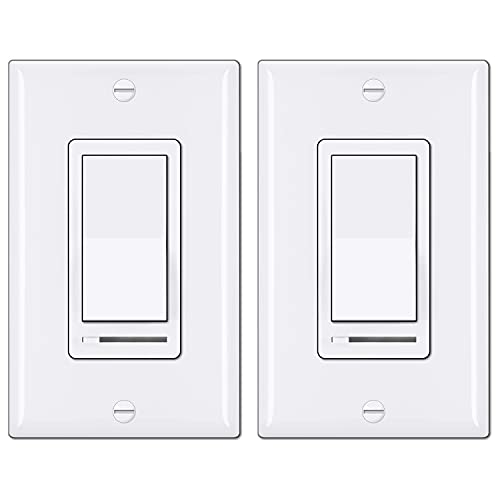
BESTTEN 2 Pack Dimmer Light Switch, Universal Lighting Control, Single Pole or 3 Way, Compatible with LED Dimmable Lamp, CFL, Incandescent, Halogen Bulb, Decorator Wallplate Included, UL Listed, White
Eliminate Flickering: NOTE: This dimmer has an adjustable dimming range. Please rotate the SIDE ADJUSTMENT WHEEL to eliminate…
As an affiliate, we earn on qualifying purchases.
As an affiliate, we earn on qualifying purchases.
The Psychological Impact of Visual Disarray

When your bedroom is in disarray, it can subtly influence your mindset and emotional well-being. Clutter creates a constant visual distraction, making it harder to relax and unwind. This chaos can generate feelings of stress, overwhelm, and even guilt, affecting your mood and confidence. Over time, these emotions can erode your sense of control and peace. To illustrate, consider how clutter affects different aspects of your mental state:
| Effect | Impact |
|---|---|
| Increased Stress | Heightened anxiety and unease |
| Reduced Focus | Difficulty concentrating or relaxing |
| Emotional Drain | Feeling overwhelmed or frustrated |
| Sleep Disruption | Struggles falling asleep or staying asleep |
| Mood Fluctuations | Irritability or low mood |
Clearing clutter restores mental clarity, fostering a calmer, more positive environment.

Glowco CalmCarry Sleep Aid Device – Handheld Microcurrent Relaxation Tool, Supports Calm, Focus & Gentle Relief, USB Rechargeable, Portable Wellness Device for Adults & Kids | Teal Calm Carry
【Original Glowco CalmCarry – Natural Calm & Gentle Relief】Experience the original the Glowco/ the Glow company calm carry—crafted…
As an affiliate, we earn on qualifying purchases.
As an affiliate, we earn on qualifying purchases.
Simple Steps to Create a Calm and Organized Bedroom
Creating a calm and organized bedroom starts with setting intentional habits and making simple changes that promote tranquility. First, dedicate a few minutes each day to tidy up, putting away clothes, and clearing surfaces. Second, establish a designated spot for essentials like your phone, books, and glasses, so everything has a place. Third, declutter regularly by removing items you no longer need or use, creating a more open space. Keep surfaces minimal and avoid stacking clutter that can create visual noise. Use storage solutions like baskets or bins to hide away items out of sight. Incorporating storage solutions and proper organization techniques can further minimize visual clutter and improve overall harmony. Additionally, choosing appropriate furniture that fits the space and promotes relaxation can enhance the bedroom’s calming effect. Implementing consistent organization routines and clutter management practices can help maintain a peaceful environment over time. Being mindful of visual noise and its impact on sleep quality is also essential. These small, consistent steps help reduce chaos and foster a peaceful environment, making your bedroom a true sanctuary for rest.

Sweetcrispy 7 Drawer Dresser with Fabric Bins Fabric Storage Tower Organizer for Bedroom Closet Hallway Entryway Tall Chest of Drawers with Steel Frame Wood Top Easy Pull Handles,Dark Gray
【Perfectly Sized 7-Drawer Dresser】Designed for modern living spaces,this dresser measures 39.6"D x 11.8"W x 30.4"H – compact enough…
As an affiliate, we earn on qualifying purchases.
As an affiliate, we earn on qualifying purchases.
The Connection Between Tidiness and Restful Nights
A tidy bedroom directly influences your ability to fall asleep and stay asleep throughout the night. When your space is organized, your mind isn’t overwhelmed by visual clutter, reducing stress and anxiety. Clutter can create a sense of chaos, making it harder to relax and unwind. A clean space signals to your brain that it’s time to rest, promoting a calm mindset. Additionally, tidiness helps eliminate distractions that can interrupt your sleep, such as misplaced objects or distracting patterns. When everything has a designated place, you spend less time searching for items and more time winding down. Proper home organization can also optimize your bedroom layout for better sleep comfort. Incorporating smart storage solutions can further streamline your space, making it easier to maintain a clutter-free environment. This visual noise can subtly influence your sleep quality, even if you aren’t consciously aware of it. Understanding the role of heat distribution and material choices in your bedroom furniture and decor can also contribute to a more restful environment. Ultimately, a neat environment fosters a peaceful atmosphere, making it easier to drift off and enjoy uninterrupted, restful sleep.
Maintaining a Clutter-Free Space for Long-Term Sleep Benefits
To enjoy long-term sleep benefits, maintaining a clutter-free bedroom requires consistent effort and mindful habits. You need to develop routines that keep your space organized and inviting. First, set aside time each week to tidy up, ensuring everything has a designated place. Second, resist the urge to bring unnecessary items into your bedroom; only keep essentials that promote relaxation. Third, regularly assess your space for clutter build-up, and declutter promptly before it becomes overwhelming. Staying disciplined with these habits prevents clutter from creeping back and disrupting your sleep environment. Remember, a tidy room isn’t a one-time fix—it’s an ongoing process that supports restful nights and overall well-being. To maintain a comfortable environment, consider implementing seasonal checklists for cleaning and maintenance, which can help you stay on top of home upkeep. Additionally, understanding the importance of clutter management can motivate you to stay consistent; this approach aligns with principles of effective space organization and contributes to better sleep quality. Incorporating storage solutions can also make it easier to keep your bedroom tidy and ensure everything has a proper place. Developing a routine that emphasizes space organization can significantly enhance your ability to maintain a clutter-free environment over time. Regularly practicing home organization techniques can further reinforce these habits and make clutter less likely to accumulate. Consistency is key to enjoying the long-term benefits of a clutter-free bedroom.
Frequently Asked Questions
How Does Bedroom Clutter Impact Overall Mental Health?
Clutter in your bedroom can increase stress and anxiety, making it harder to relax and unwind. It creates visual noise that overwhelms your senses, leading to feelings of chaos and frustration. When your space is cluttered, your mind struggles to focus and feels constantly distracted. By decluttering, you promote a calmer environment, which helps improve your mental health, boost your mood, and support better sleep and overall well-being.
Can Decluttering Improve Sleep Quality Quickly?
Yes, decluttering can quickly improve your sleep quality. When you clear your bedroom of unnecessary items, you reduce visual noise that can cause stress or distraction. A tidy space creates a calming environment, helping your mind relax more easily. Within just a few days of decluttering, you might notice falling asleep faster and experiencing more restful, uninterrupted sleep. So, taking time to tidy up can make a noticeable difference quickly.
What Are Common Mistakes When Organizing a Bedroom?
You often make the mistake of overcrowding your space with unnecessary items, which creates visual noise and disrupts your sleep. You might also neglect proper storage solutions, leaving clutter in plain sight. Additionally, you tend to overlook the importance of maintaining a consistent organization system, causing chaos to build up. To improve, focus on simplicity, use effective storage, and regularly reassess your space to keep it calming and clutter-free.
How Often Should I Declutter to Maintain Good Sleep Hygiene?
You should declutter your bedroom at least once every month to maintain good sleep hygiene. Regular tidying helps eliminate visual noise that can disrupt your relaxation and sleep quality. Keep surfaces clear, remove unnecessary items, and organize your belongings efficiently. By staying consistent with this routine, you create a calm, inviting environment that promotes restful sleep and reduces stress, making it easier to unwind at the end of each day.
Are There Specific Colors or Decor That Promote a Clutter-Free Feel?
Bright, bold colors might seem lively, but they actually create visual noise that keeps you awake. Instead, opt for soothing neutrals like soft grays, gentle beiges, or calming blues. Minimal decor with clean lines and uncluttered surfaces promotes tranquility. You’ll find it easier to relax and fall asleep when your bedroom’s decor encourages calm, not chaos. Less is definitely more when it comes to fostering a peaceful sleep environment.
Conclusion
By now, you know how clutter can quietly sabotage your sleep and peace of mind. Isn’t it worth taking a few moments each day to tidy up and create a calm sanctuary? When your bedroom is organized, your mind relaxes, and restful nights become easier to achieve. So, why not start today? Clear the visual noise, and give yourself the gift of truly restful sleep—your mind and body will thank you.