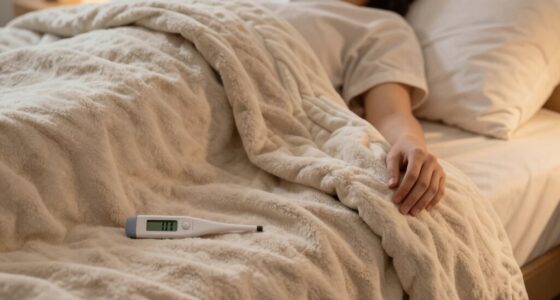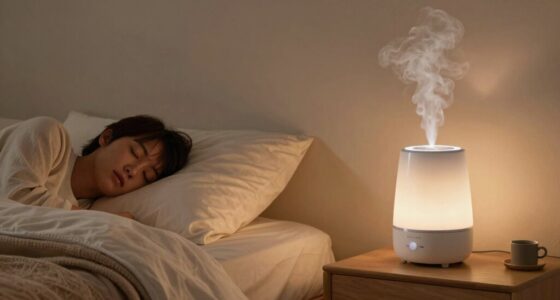

When you drink alcohol, it helps you fall asleep faster because of its initial sedative effects on your central nervous system. However, as your body processes alcohol, it disrupts your sleep cycles by suppressing REM and deep sleep stages, leading to fragmented, lighter sleep. This causes you to wake up feeling tired and unrested, even if you slept enough. If you keep exploring, you’ll discover how alcohol affects your overall sleep quality and daytime alertness.

Get books, candles and calm essentials delivered free — and shop member deals
- Fast, free delivery on millions of items
- Access to Prime Big Deal Days deals on October 6–7
- Prime Video, Amazon Music and more included
Key Takeaways
- Alcohol initially promotes drowsiness by depressing the central nervous system, making you fall asleep faster.
- It suppresses REM and deep sleep stages, leading to less restorative sleep overall.
- As alcohol metabolizes, rebound effects cause frequent awakenings and lighter, fragmented sleep.
- Alcohol disrupts circadian rhythms, impairing sleep patterns and causing morning grogginess.
- Long-term, alcohol impairs sleep quality, resulting in tiredness despite falling asleep quickly.
Many people believe that a drink can help them unwind and fall asleep faster, but alcohol’s effects on sleep are more complex than they seem. When you consume alcohol, your body begins to metabolize it quickly through a process called alcohol metabolism. This involves enzymes in your liver breaking down alcohol into acetaldehyde, then into acetic acid, which your body eventually eliminates. While this process might seem straightforward, it has significant implications for your sleep quality. The rapid metabolism of alcohol initially makes you feel drowsy, which is why many turn to drinks for quick relief. However, as alcohol is metabolized, it triggers a series of effects that disrupt your sleep cycle, leading to fragmented and less restorative sleep.
Alcohol’s influence on your sleep cycle is profound. During the first part of the night, alcohol can make you fall asleep faster because it acts as a depressant on your central nervous system. But this effect is misleading because it doesn’t promote deep, restful sleep. Instead, alcohol suppresses REM sleep—the critical stage associated with dreaming and memory consolidation—and reduces slow-wave sleep, which is essential for physical and mental restoration. As your body processes the alcohol, these suppressive effects fade, and you often experience a rebound effect. This causes frequent awakenings, lighter sleep, and difficulty reaching deep sleep stages, leaving you feeling tired and unrefreshed in the morning.
Alcohol initially helps you fall asleep but disrupts REM and deep sleep, leading to tiredness and unrest.
Furthermore, alcohol’s impact on your sleep architecture is profound. During the night, it can cause your sleep to become more fragmented, resulting in multiple awakenings and lighter sleep stages. Additionally, alcohol’s effects on dehydration and increased production of stress hormones like cortisol further interfere with your ability to achieve restorative sleep.
In addition, alcohol can impair your body’s natural circadian rhythms, making it harder to maintain consistent sleep patterns. When your circadian rhythm is thrown off, you may find yourself waking up feeling groggy and less alert, despite having spent hours in bed. This cycle of initial drowsiness followed by restless, fragmented sleep exemplifies how alcohol’s influence extends beyond mere sleep onset, ultimately impairing the quality and restorative power of your sleep. So, while a drink might seem helpful for falling asleep faster, its long-term effects on your sleep cycle and overall rest can be quite detrimental.
Frequently Asked Questions
Does Alcohol Affect REM Sleep Cycles?
Alcohol’s effect on your sleep includes disrupting REM sleep cycles. When you drink, it initially helps you fall asleep faster, but it then interferes with your sleep cycle, especially REM stages. This disruption can cause you to wake up feeling tired, less rested, and with poorer sleep quality overall. So, even though alcohol might seem to help you fall asleep, it actually hampers your ability to get restorative REM sleep.
Can Alcohol Use Lead to Long-Term Sleep Disorders?
Yes, alcohol use can lead to long-term sleep disorders. If you develop alcohol dependence, it may disrupt your sleep hygiene, making it harder to fall asleep and stay asleep over time. This ongoing disturbance can result in chronic sleep problems, affecting your health and daily functioning. Cutting back or eliminating alcohol helps restore healthy sleep patterns and improves your overall sleep quality.
How Much Alcohol Disrupts Normal Sleep Patterns?
Even small amounts of alcohol can disrupt your sleep patterns, especially if you have a higher alcohol tolerance. As you drink more, it interferes with your sleep quality, causing you to wake up feeling less rested and more alert. While alcohol may help you fall asleep faster initially, consuming too much worsens your sleep cycle, leading to less restorative rest. Moderation is key to maintaining healthy sleep patterns.
Is There a Safe Amount of Alcohol for Better Sleep?
You can’t have your cake and eat it too when it comes to alcohol and sleep. Even small amounts can interfere with your sleep hygiene, disrupting alcohol metabolism and causing fragmented rest. While some may believe a little helps, there’s no truly safe amount for better sleep. To prioritize restful nights, it’s best to avoid alcohol altogether or limit intake well before bedtime.
Does Alcohol’s Impact on Sleep Vary by Age or Gender?
Yes, alcohol’s impact on sleep varies by age and gender. Age-related differences mean older adults may experience more disrupted sleep and longer recovery times. Gender-specific effects also play a role; for instance, women often metabolize alcohol differently, leading to distinct sleep disruptions compared to men. Recognizing these variations can help you understand how alcohol affects your sleep uniquely, and it’s best to moderate intake accordingly to minimize sleep disturbances.
Conclusion
So, next time you’re tempted to unwind with a drink, remember it might help you fall asleep faster but can leave you feeling groggy and restless later. Imagine Sarah, who drinks wine most nights—she quickly falls asleep but wakes up feeling exhausted and anxious. Choosing healthier sleep habits, like relaxing routines or limiting alcohol, can improve your rest. Don’t let a quick fix sabotage your sleep quality and overall well-being.
Halloween Picks
halloween
As an affiliate, we earn on qualifying purchases.