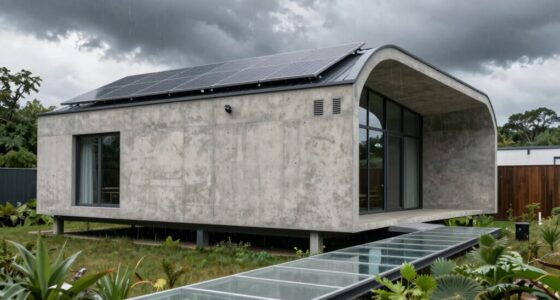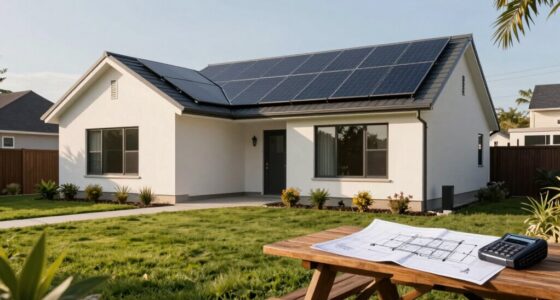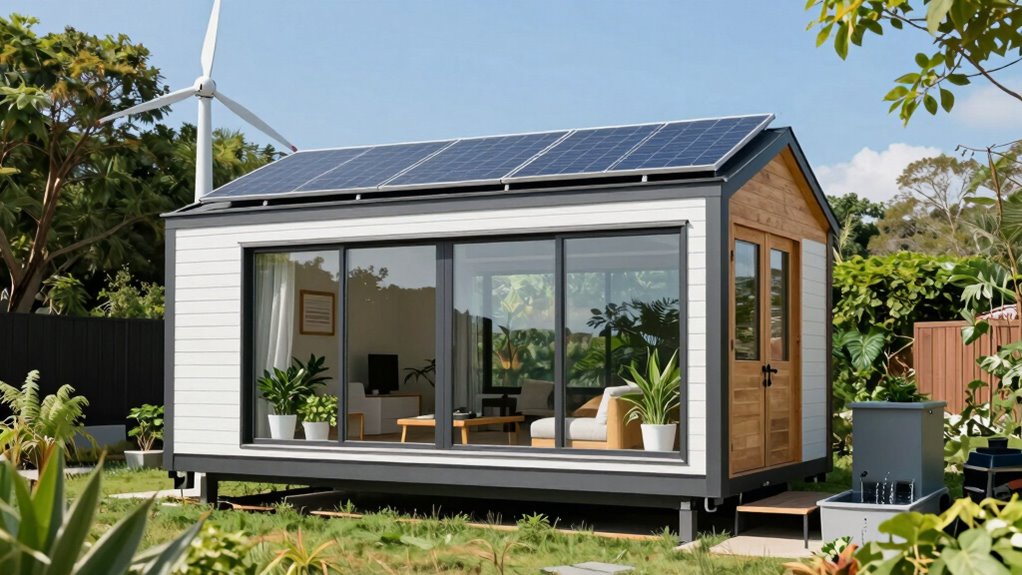

Grid-independent home concepts focus on integrating renewable energy sources like solar, wind, and hydro, combined with efficient resource management systems for water and power. You’ll design a resilient, self-sufficient system with reliable energy storage, such as high-quality batteries, controlled by smart management systems. Planning for practical challenges like costs and safety is key, and future innovations like AI-driven automation and advanced security will make your home more autonomous. Keep exploring to discover how to turn this vision into reality.
Key Takeaways
- Incorporate renewable energy sources like solar panels, wind turbines, and small-scale hydro systems for independent power generation.
- Design advanced energy storage solutions with high-capacity batteries and management systems to ensure reliable power during low-generation periods.
- Implement comprehensive water conservation, recycling, and storage systems to achieve resource independence.
- Use smart home automation and IoT integration to optimize energy and resource management efficiently.
- Focus on resilient building practices and climate-adaptive systems to withstand extreme weather and ensure continuous self-sufficiency.

ECO-WORTHY 10KW Output 9.36KWH Off Grid Solar System Complete Kit for Home:12pcs 195W Solar Panels(2340W)+10KW 120V/240V Inverter (UL 1741)+ 2pcs 48V 100AH Lithium Batteries(UL 1973&UL 9540A)
[Ideally Output of 9.36KWH] The power of 9.36KWh per day under 4 hours full sunshine by the 2340W…
As an affiliate, we earn on qualifying purchases.
As an affiliate, we earn on qualifying purchases.
Core Principles of Self-Sufficient Homes
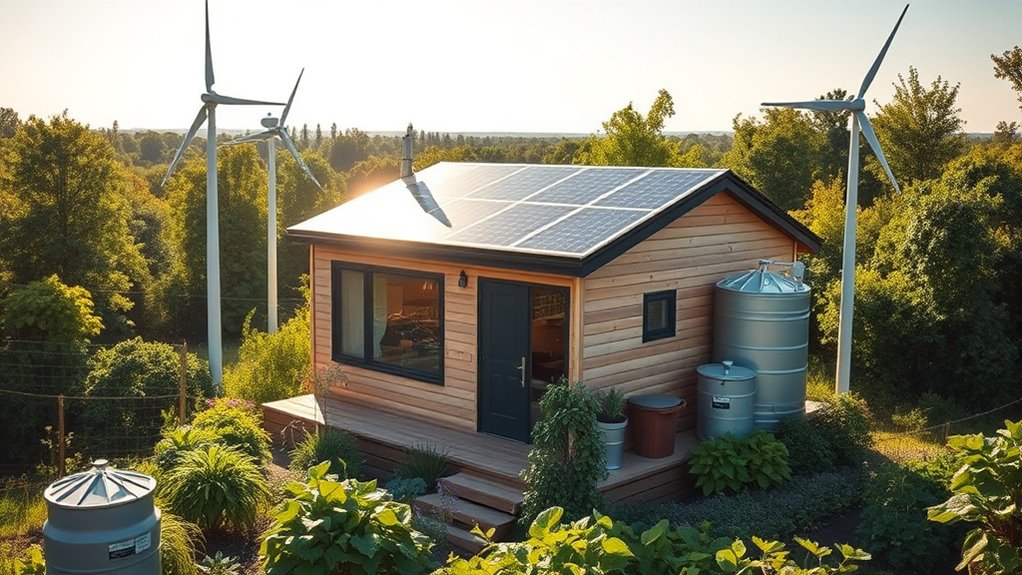
Self-sufficient homes are built on the foundation of key principles that enable them to operate independently from the grid. First, you focus on energy efficiency, minimizing consumption through smart design, insulation, and quality appliances. This not only reduces overall energy demand but also allows for more manageable off-grid energy production, making it more practical and sustainable. Second, you prioritize resource management, particularly water conservation and storage, ensuring a reliable supply even during shortages. Implementing water recycling systems can further enhance resource sustainability and reduce reliance on external sources. Additionally, integrating renewable energy sources like solar and wind power can significantly decrease dependence on external energy inputs. Third, you incorporate sustainable building practices, using eco-friendly materials and techniques that reduce environmental impact and improve durability. Eco-friendly building materials can also help you achieve a lower carbon footprint and promote healthier indoor environments. Additionally, choosing durable materials can extend the lifespan of your home and lower maintenance needs over time. Finally, you plan for resilience, designing your home to withstand extreme weather and disruptions without external support. Embracing these core principles helps you create a truly self-sufficient home capable of functioning independently, reducing reliance on external systems and increasing sustainability. Incorporating advanced power generation solutions, such as solar panels and wind turbines, further enhances your home’s independence and reduces long-term reliance on external energy sources.

VEVOR 500W Wind Turbine Generator, 12V Wind Turbine Kit, 5-Blade Wind Power Generator with MPPT Controller, Adjustable Windward Direction & 2.5m/s Start Wind Speed, Suitable for Home, Farm, RVs, Boats
500W High-Efficiency Output: VEVOR 500W high-power wind turbine generator delivers exceptional wind energy utilization and efficiency, making it…
As an affiliate, we earn on qualifying purchases.
As an affiliate, we earn on qualifying purchases.
Renewable Energy Technologies for Independence
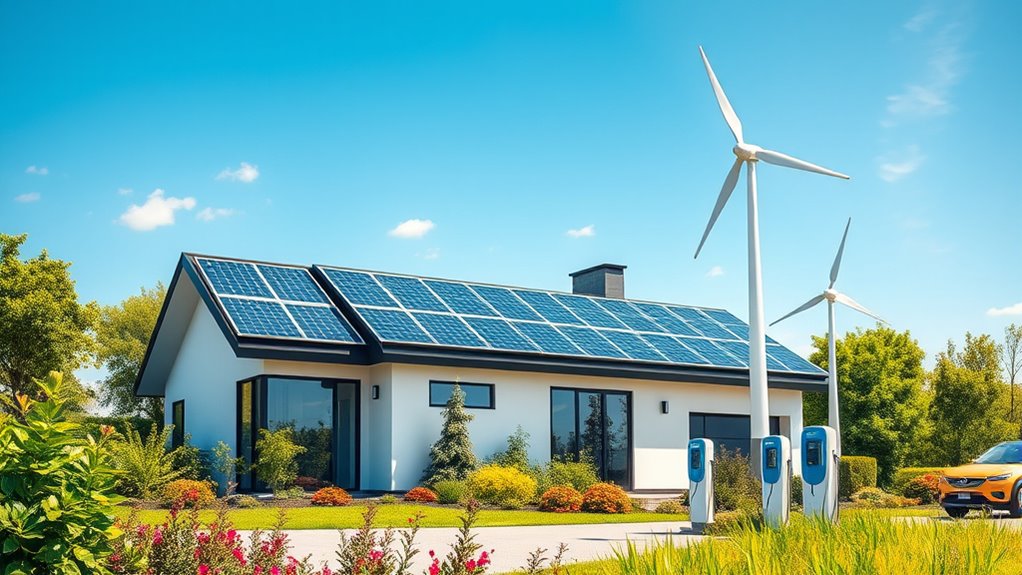
Have you considered how renewable energy technologies can power your home independently? Solar panels are the most common choice, converting sunlight into electricity and reducing your reliance on the grid. Wind turbines can supplement energy needs in windy areas, capturing natural airflow to generate power. Small-scale hydro systems are an option if you have access to flowing water, providing a consistent energy source. Geothermal systems tap into the earth’s heat, offering a reliable way to produce electricity or heat your home directly. Biomass technology uses organic waste to generate power, making use of local resources. Incorporating these technologies enables you to generate clean, sustainable energy, reduce bills, and enhance your home’s independence from traditional power grids. Hydraulics principles also play a key role in optimizing system efficiency and safety. Additionally, selecting the right solar panels and energy storage solutions can further improve your system’s reliability and performance. Understanding energy management systems can help you efficiently control and monitor your renewable setup for optimal results. Proper system sizing and load planning are essential to ensure consistent power supply and avoid overloads. Moreover, careful system integration is crucial to maximize the effectiveness and safety of your independent power setup.

Ontel Battery Daddy Storage & Organizer Case w/Tester, Stores & Protects Up to 180 Batteries, Double-Sided, Clear Locking Lid, Secure Latches & Portable Carrying Handle – Red (Batteries Not Included)
Double-Sided Battery Organizer: The Ontel Battery Daddy is a compact & portable way to organize, store and protect…
As an affiliate, we earn on qualifying purchases.
As an affiliate, we earn on qualifying purchases.
Designing a Reliable Energy Storage System
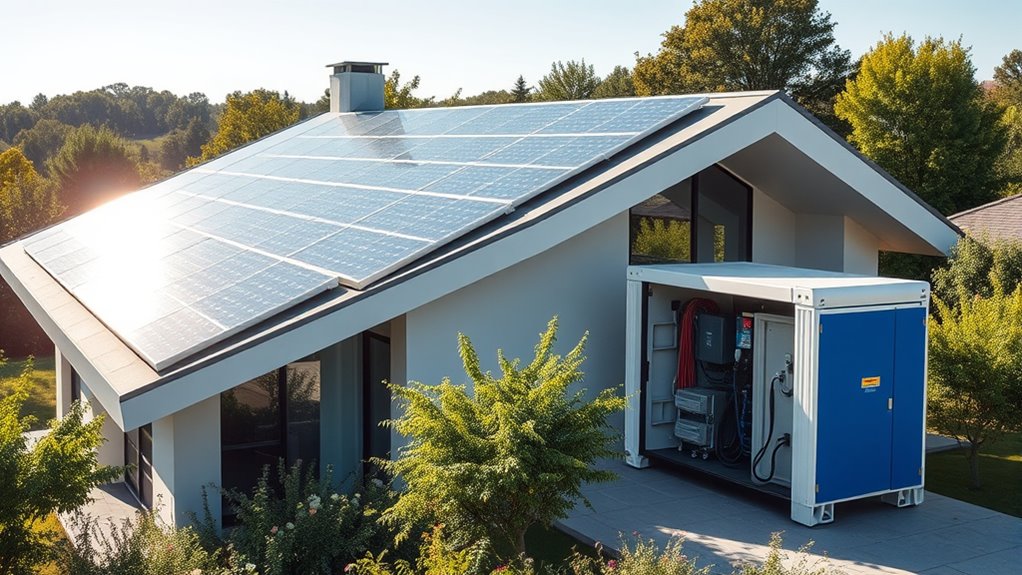
Effective energy storage is essential for guaranteeing your home remains powered even when renewable sources aren’t generating electricity. To achieve this, you need a reliable system that can store excess energy efficiently and deliver it when needed. Start by selecting high-quality batteries with sufficient capacity to meet your energy demands during low-generation periods. Consider lithium-ion batteries for their longevity and fast response times. Incorporate proper management systems to monitor performance, prevent overcharging, and optimize lifespan. Ensure your storage system is scalable, so you can expand it as your energy needs grow. Also, protect your batteries with suitable enclosures and safety features. A well-designed storage system gives you confidence that your home stays energized, regardless of weather fluctuations or daylight hours. Safe installation practices are crucial to ensure the system functions reliably and safely over time. To maximize efficiency, battery management systems can provide real-time data to help you make informed decisions about energy use and maintenance. Additionally, integrating energy storage capacity assessments can help you determine the appropriate size and type of system for your specific needs, especially considering the vetted products for safety and effectiveness available in the market. Incorporating performance monitoring can further enhance system reliability by identifying potential issues early.

SimPure Y7P-BW UV Countertop Reverse Osmosis Water Filter, NSF/ANSI 58 Certified, 5 Stage RO Water Filtration System, Water Purifier for Home, No Installation, 4: 1 Pure to Drain, Classic Pure Taste
TESTED AND CERTIFIED BY SGS: Against NSF/ANSI 58 Standard: Converts your tap water/well water(TDS<500 ppm) into purified drinking…
As an affiliate, we earn on qualifying purchases.
As an affiliate, we earn on qualifying purchases.
Practical Considerations and Challenges
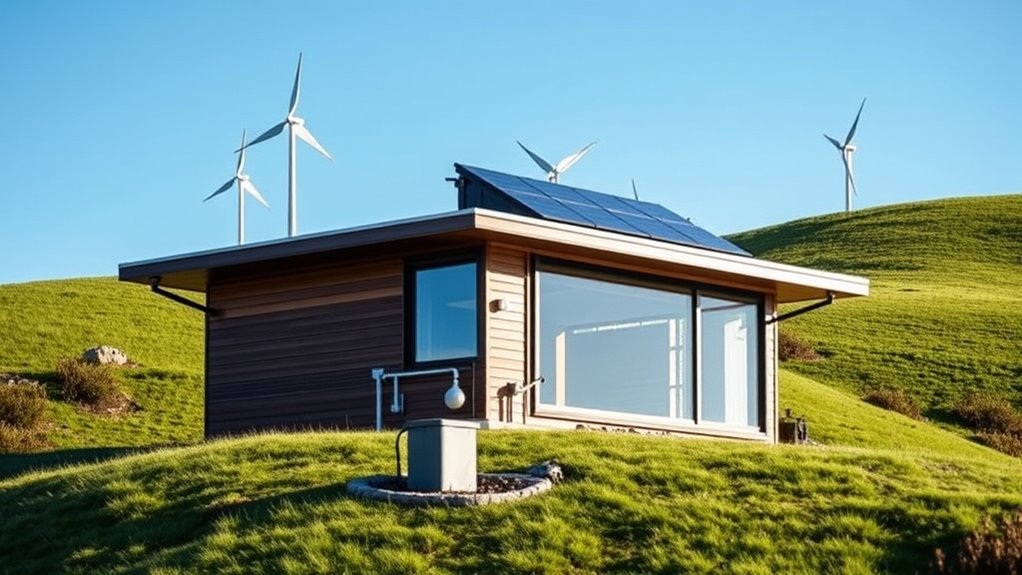
Implementing practical energy storage solutions involves steering through several real-world challenges that can impact performance and reliability. You may encounter issues like high upfront costs, which can strain your budget, or difficulties integrating storage systems with existing home infrastructure. Maintenance requirements can also be demanding, requiring regular checks to guarantee peak operation. Additionally, environmental factors such as temperature fluctuations and extreme weather can reduce battery lifespan and efficiency. To navigate these challenges effectively, consider:
- Conducting thorough cost-benefit analyses before installation
- Choosing scalable and adaptable storage options
- Implementing proper insulation and cooling measures to protect equipment
- Understanding battery technology advancements that enhance durability and efficiency
- Evaluating climate resilience strategies to safeguard your system against weather-related impacts
- Paying attention to financial considerations, like initial investments and ongoing maintenance costs, to ensure your energy project remains sustainable
- Staying informed about energy storage innovations that can improve system performance and longevity
- Consulting with professional installers to ensure proper integration and system optimization.
Being aware of these practical considerations helps you make informed decisions, maximizing your system’s longevity and ensuring consistent energy independence.
Future Trends in Autonomous Residential Living
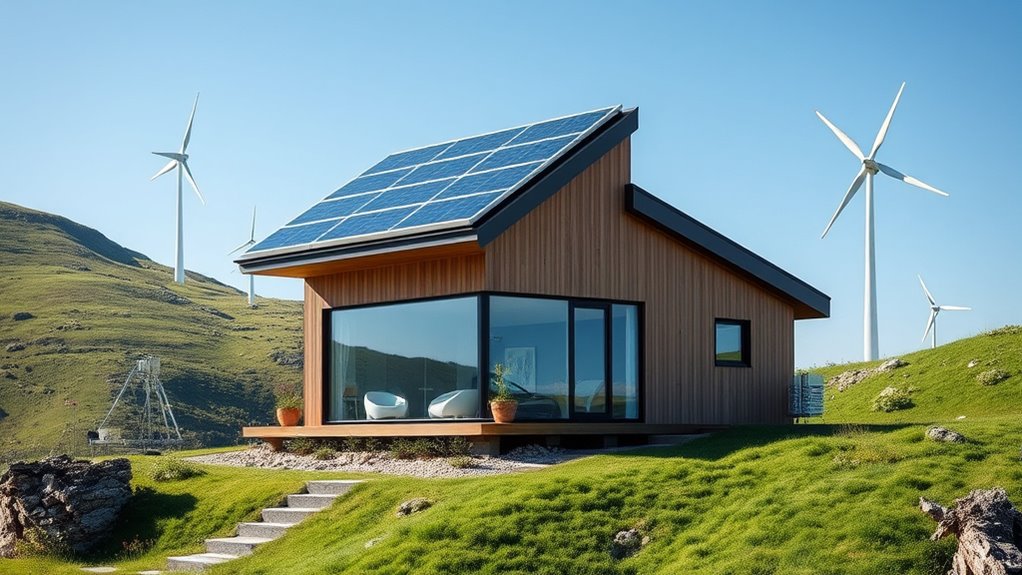
As technology advances, autonomous residential living is poised to become increasingly integrated into everyday life, offering homeowners greater independence and efficiency. Expect smarter homes equipped with AI-driven systems that anticipate your needs, from adjusting climate control to managing energy consumption. Renewable energy sources like solar and wind will become more prevalent, powering homes reliably and reducing reliance on the grid. Autonomous maintenance drones and robotic assistants will handle routine tasks, freeing you up for more meaningful activities. Connectivity will improve, enabling seamless integration between appliances, security, and energy systems. You’ll see homes that adapt dynamically to your lifestyle, smart home automation, optimizing resources and enhancing comfort. These systems will leverage advanced sensors and IoT connectivity to monitor and respond to environmental changes in real time. Additionally, advancements in home energy management systems will allow for real-time monitoring and adaptive control, further increasing efficiency and resilience. As these technologies develop, the importance of home automation security will also grow, ensuring safety alongside convenience.
Frequently Asked Questions
What Are the Initial Costs of Setting up a Grid-Independent Home?
The initial costs of setting up a grid-independent home typically range from $10,000 to $50,000, depending on your energy needs and system size. You’ll need to invest in solar panels, batteries, inverters, and installation. While the upfront expense might seem high, it’s a worthwhile investment that reduces your long-term energy bills and reliance on the grid. Planning carefully helps you balance costs and desired energy independence.
How Maintenance-Intensive Are Off-Grid Energy Systems?
Off-grid energy systems are like tending a garden; they require regular attention to stay healthy. You’ll need to monitor batteries, clean solar panels, and occasionally replace components. While not overly demanding, this upkeep keeps your system running smoothly. With a little effort, you’ll enjoy reliable power without the constant pull of the grid. Think of it as nurturing your independence—small daily acts that yield long-term freedom.
Can Existing Homes Be Retrofitted for Independence?
Yes, you can retrofit existing homes for independence. You’ll need to install renewable energy sources like solar panels or wind turbines, upgrade your energy storage systems, and improve insulation to reduce energy demand. You might also add backup generators for reliability. While it takes some planning and investment, retrofitting allows you to generate your own power, decrease reliance on the grid, and enjoy greater energy independence, all tailored to your home’s specific needs.
What Legal or Zoning Restrictions Apply to Off-Grid Homes?
You might face local zoning laws that restrict off-grid living, which about 60% of rural areas enforce. These rules could limit water collection, septic systems, or solar panel installations. You should check with your city or county planning office before starting. Some areas require permits or inspections, and violating these can lead to fines or forced disconnection. Planning ahead helps guarantee your off-grid home stays compliant and sustainable.
How Do Off-Grid Homes Perform in Extreme Weather Conditions?
Off-grid homes can perform well in extreme weather if you design and prepare properly. You’ll want durable, well-insulated structures to handle cold, heat, or storms. Installing reliable backup power, such as solar with battery storage, guarantees you stay powered during outages or bad weather. Proper maintenance and weatherproofing are essential, so you can comfortably and safely live through harsh conditions without relying on utility grids.
Conclusion
Living off-grid isn’t just a trend—it’s a smart move toward energy independence. Studies show that by 2030, over 60% of homes could be self-sufficient with renewable tech and smart storage. Embracing these concepts means you reduce reliance on the grid, lower bills, and contribute to a greener future. With the right design and technology, you can enjoy reliable power while living sustainably. Take control of your energy, and make your home truly independent.