
TL;DR

Turn your quiet moments into listening time
- Thousands of audiobooks, podcasts and originals
- Listen on your phone, tablet or Echo — also offline
- Cancel anytime
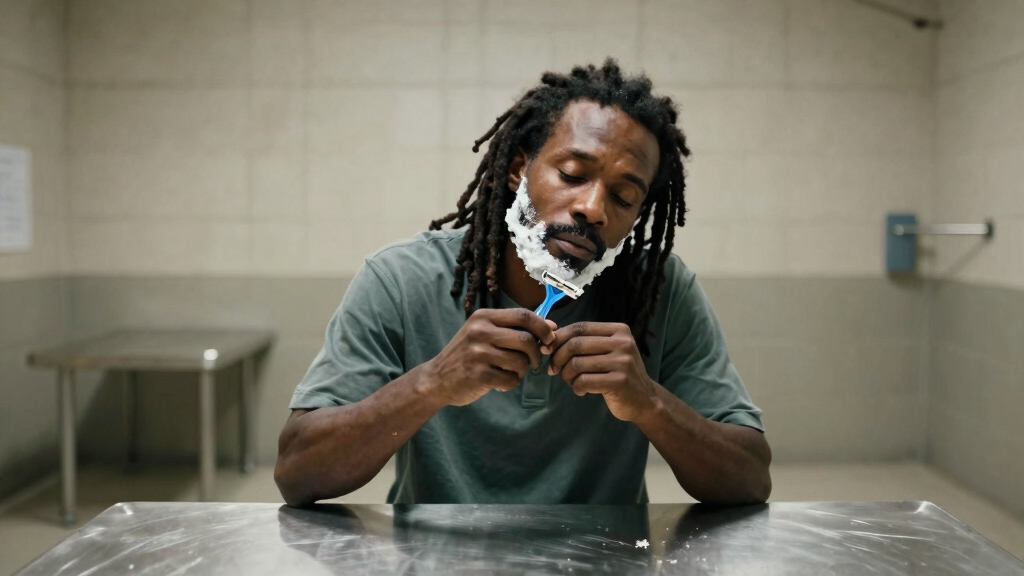
The U.S. Supreme Court has refused to hear a lawsuit filed by a Rastafarian inmate who alleged prison guards violated his religious rights by shaving his dreadlocks. The decision limits legal recourse for inmates over religious grooming disputes.
The U.S. Supreme Court has declined to hear a lawsuit filed by a Rastafarian inmate who alleged that prison guards violated his religious rights by shaving his dreadlocks, effectively blocking his legal challenge.
The case involves a Rastafarian man incarcerated in New York who claimed that prison officials shaved his dreadlocks without his consent, arguing it was a violation of his religious beliefs. The inmate filed a lawsuit seeking damages and an injunction to prevent future incidents.
In a unanimous decision, the Supreme Court refused to review the case, citing procedural barriers and the absence of a clear legal violation that warrants Supreme Court intervention. The ruling was issued on April 2024, with no dissenting opinions.
Implications for Religious Rights in Prisons
This decision narrows legal avenues for inmates to challenge prison policies or actions that infringe on their religious practices, potentially impacting future cases involving religious grooming and expression. Civil rights advocates express concern that the ruling could limit protections for inmates’ religious freedoms, while prison authorities see it as a reinforcement of institutional authority.
As an affiliate, we earn on qualifying purchases.
Legal and Religious Context of Dreadlocks Rights
Religious rights cases involving grooming, such as wearing dreadlocks, have historically been complex, balancing individual religious freedoms against institutional regulations. The Supreme Court has previously addressed related issues, but this case marks a significant ruling on procedural grounds. The inmate’s case was initially dismissed in lower courts before reaching the Supreme Court, which declined to hear it.
The case drew attention to the broader issue of religious expression within correctional facilities, a topic that has seen varying legal interpretations over the years.
“The Court’s decision not to hear the case is based on procedural considerations and does not reflect on the merits of the claims.”
— Supreme Court spokesperson
As an affiliate, we earn on qualifying purchases.
Unresolved Questions About Future Legal Protections
It remains unclear whether future cases will face similar procedural barriers or if new legal standards will be established to better protect religious rights in prisons. The ruling does not address the substantive issues of religious accommodation, leaving open questions about possible legislative or judicial changes.
prison-approved hair care products
As an affiliate, we earn on qualifying purchases.
As an affiliate, we earn on qualifying purchases.
Next Steps for Inmate Religious Rights Litigation
Legal advocates may pursue legislative efforts to clarify protections for religious grooming in prisons or attempt new lawsuits under different legal theories. Prison authorities might also review and adjust policies to avoid legal conflicts. The case highlights ongoing debates about balancing security, discipline, and religious freedoms in correctional settings.
As an affiliate, we earn on qualifying purchases.
Key Questions
Does this ruling mean inmates cannot sue over religious grooming issues?
The ruling suggests that procedural and legal standards may limit such lawsuits from reaching the Supreme Court, but it does not entirely prevent inmates from pursuing legal action in lower courts or through legislative channels.
What are the legal grounds for the inmate’s original lawsuit?
The inmate claimed that shaving his dreadlocks without his consent violated his religious rights under federal law and the First Amendment.
Could this decision affect other religious rights cases in prisons?
Yes, it may influence how courts assess procedural issues and the likelihood of success for future religious rights claims, potentially making it harder to litigate such cases at the highest judicial levels.
Will this ruling lead to changes in prison policies?
Prison authorities may review and tighten or clarify grooming policies to prevent legal challenges, but specific policy changes are not mandated by this ruling.
Source: google-trends
Halloween Picks
halloween
As an affiliate, we earn on qualifying purchases.