

When it comes to water for coffee, minerals like calcium and magnesium are key players. They help balance acidity, reduce bitterness, and give your brew vibrancy. Too much can cause over-extraction, making your coffee harsh, while too little results in flat flavors. Bicarbonates keep the pH stable, affecting acidity and clarity. Understanding and adjusting these minerals can considerably improve your coffee’s taste, so if you want to discover more about optimizing your water, keep exploring.

Turn your quiet moments into listening time
- Thousands of audiobooks, podcasts and originals
- Listen on your phone, tablet or Echo — also offline
- Cancel anytime
Key Takeaways
- Calcium and magnesium minerals enhance flavor complexity by buffering acids and bitterness in brewed coffee.
- Proper mineral levels help maintain ideal pH balance, ensuring optimal extraction and taste.
- Excess minerals can cause over-extraction, leading to bitterness, while insufficient minerals result in flat flavors.
- Adjusting mineral content through filtering or re-mineralization improves coffee’s aroma and clarity.
- Monitoring mineral composition ensures consistent water quality for better coffee brewing results.
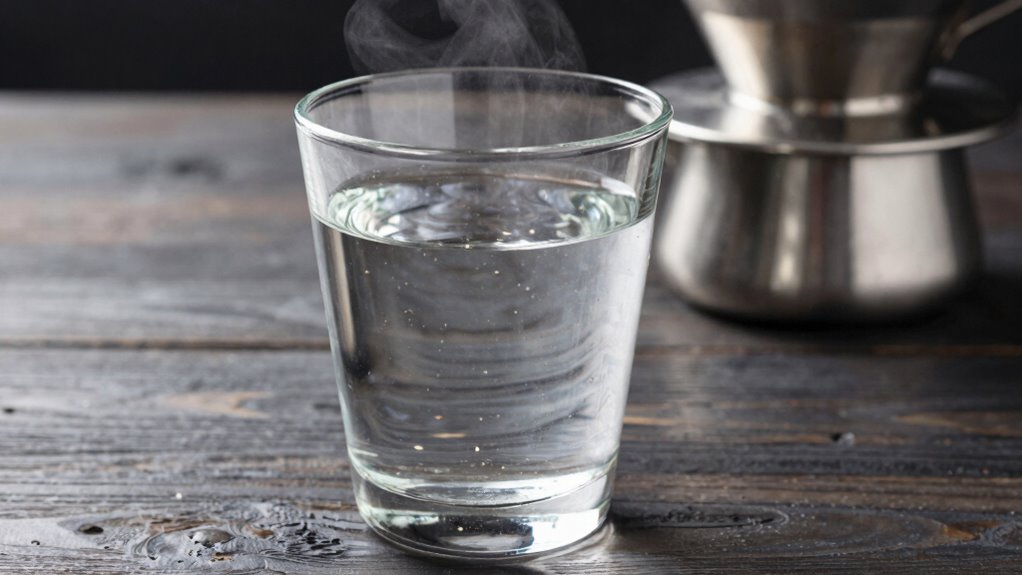
Have you ever considered how essential water quality is to brewing the perfect cup of coffee? The truth is, water makes up about 98% of your brewed beverage, so its composition directly influences flavor, aroma, and overall quality. When you think about water for coffee, you need to pay close attention to its water composition, which includes the minerals dissolved within it. These minerals aren’t just background players; they actively shape the extraction process, affecting how the coffee’s flavors develop during brewing.
A well-balanced mineral profile ensures that your coffee doesn’t taste flat or overly harsh. The key minerals—calcium, magnesium, bicarbonates, and trace elements—must be in the right proportions. Calcium and magnesium, for example, act as natural buffers, helping to neutralize undesirable acids and bitterness, resulting in a smoother, more rounded flavor. They also influence water hardness, which can make your coffee taste richer or more vibrant. Too much calcium or magnesium, however, can lead to over-extraction, making the coffee taste bitter or overly intense. Conversely, too little of these minerals can produce a flat, dull brew lacking depth.
Bicarbonates play an essential role in maintaining the water’s pH level, preventing it from becoming too acidic or too alkaline. Proper pH balance is fundamental because it affects how the coffee’s acids are extracted during brewing. If the water is too alkaline, the coffee might taste dull, while overly acidic water can cause over-extraction, making the brew sour or sharp. Achieving the right mineral balance isn’t just about adding minerals blindly; it’s about understanding your water’s natural mineral content and adjusting if necessary. Sometimes, using filtered or softened water can strip away beneficial minerals, so you might need to reintroduce them to optimize flavor. Understanding water chemistry is also crucial for adjusting brewing parameters and achieving the ideal flavor profile. Additionally, having a good grasp of water testing can help you monitor and maintain optimal mineral levels over time.
Knowing the water’s mineral content can also assist in troubleshooting flavor issues, helping you identify whether mineral imbalances are to blame. You don’t need to be a chemist to appreciate how water’s mineral balance impacts your coffee experience. The goal is to have water that complements the coffee beans’ natural flavors, rather than overpowering or muting them. By paying attention to your water’s mineral content and making small adjustments, you can consistently brew a cup that highlights the unique characteristics of each coffee origin. Ultimately, understanding water composition and maintaining a proper mineral balance allows you to unlock the full potential of your beans, making every sip a delightful experience.
water mineral test kit for coffee
As an affiliate, we earn on qualifying purchases.
As an affiliate, we earn on qualifying purchases.
Frequently Asked Questions
How Does Water pH Affect Coffee Flavor?
Your water’s pH level directly impacts coffee flavor by influencing acidity and overall balance. If the pH is too low (acidic), your coffee may taste sharp or sour, while a high pH (alkaline) can dull flavors and reduce brightness. Maintaining proper water mineral balance guarantees ideal extraction, highlighting the coffee’s nuanced flavors without overpowering acidity or dullness. Aim for a balanced pH for a richer, more vibrant brew.
Can Mineral Levels Vary by Water Source Region?
Absolutely, mineral levels can wildly vary depending on your water source region! Regional water composition is like a fingerprint—unique and unpredictable. Mineral variability can turn your coffee into a completely different experience, from bright and lively to dull and flat. So, when you brew, remember that where your water comes from dramatically influences flavor, making every cup a new adventure in mineral magic.
What Is the Ideal Mineral Concentration for Brewing?
You should aim for a mineral balance with about 70-150 ppm of total dissolved solids, focusing on moderate water hardness. Too much calcium and magnesium can make your coffee bitter, while too little can result in flat flavors. Adjust mineral levels based on your water source to attain a balanced extraction, enhancing flavor without overpowering the coffee’s natural notes. Proper mineral concentration ensures a well-rounded, flavorful brew every time.
How Often Should I Test My Water’s Mineral Content?
Imagine your coffee’s flavor as a delicate dance, with minerals guiding each step. You should test your water’s mineral content every few months to catch any mineral variability. Regular water testing helps you understand shifts in mineral levels, ensuring your brew stays balanced and flavorful. Staying consistent with testing keeps your coffee tasting its best, like a symphony where every note is perfectly tuned.
Do Mineral Additives Improve or Harm Coffee Taste?
Mineral additives can improve coffee taste if they help balance your water’s mineral interactions, enhancing extraction and flavor clarity. However, if they disrupt your water mineral balance, they can harm the taste, making it flat or overly bitter. You should carefully monitor and adjust mineral levels, ensuring additives support the ideal mineral interaction. Properly managed, mineral additives can elevate your coffee experience without compromising flavor.
re-mineralization water for coffee brewing
As an affiliate, we earn on qualifying purchases.
As an affiliate, we earn on qualifying purchases.
Conclusion
Remember, choosing the right minerals in your water isn’t just a detail—it’s the secret ingredient to brewing a perfect cup. Like a skilled artist, you hold the brush, and your water sets the tone. So, don’t overlook the tiny but mighty minerals; they’re the silent heroes transforming water into a symphony of flavor. After all, without them, even the best beans can’t reach their full potential. Cheers to water that truly makes your coffee shine!
coffee water filter with mineral adjustment
As an affiliate, we earn on qualifying purchases.
As an affiliate, we earn on qualifying purchases.
water hardness tester for coffee
As an affiliate, we earn on qualifying purchases.
As an affiliate, we earn on qualifying purchases.
Halloween Picks
halloween
As an affiliate, we earn on qualifying purchases.