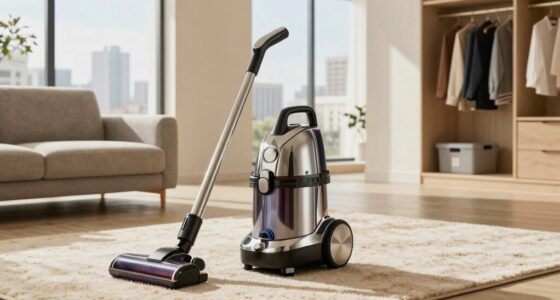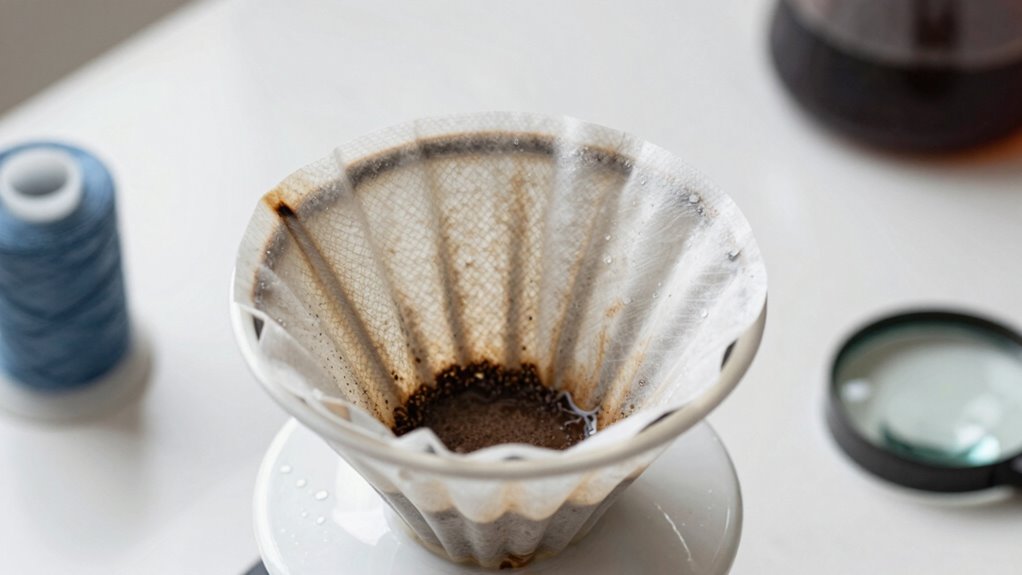

Proper filter hygiene is essential for maintaining indoor air quality and HVAC efficiency. You should regularly check and replace or clean filters depending on their type and your living conditions—more often if you have pets, smokers, or allergies. Dirty filters can block airflow, strain your system, and worsen health issues like allergies and asthma. Staying proactive guarantees your system runs smoothly and keeps your environment healthy; discover more tips to keep your indoor air pure.

Turn your quiet moments into listening time
- Thousands of audiobooks, podcasts and originals
- Listen on your phone, tablet or Echo — also offline
- Cancel anytime
Key Takeaways
- Regularly inspect and replace filters based on manufacturer guidelines and household conditions to maintain optimal air quality.
- Dirty filters restrict airflow, strain HVAC systems, and can lead to higher energy costs and system failures.
- Proper filter hygiene prevents indoor pollutants, allergens, and bacteria from circulating, promoting healthier indoor environments.
- Signs of poor filter hygiene include unusual odors, increased dust, and decreased HVAC performance.
- Maintaining filter hygiene extends equipment lifespan, reduces operational costs, and supports overall indoor safety.

Have you ever considered how essential filter hygiene is to maintaining a healthy environment? Your indoor air quality depends considerably on how well you manage your filters. Filters trap dust, allergens, bacteria, and other airborne particles, preventing them from circulating in your space. However, if you neglect regular maintenance, these trapped pollutants can become a source of contamination rather than protection. This is why sticking to proper maintenance schedules is imperative. Regularly cleaning or replacing filters ensures they continue functioning effectively, which directly impacts the air quality you breathe every day.
Maintaining filter hygiene is essential for cleaner air and a healthier environment.
When you ignore routine filter maintenance, your environment can quickly become polluted. Dirty filters restrict airflow, forcing your HVAC system to work harder and increasing energy consumption. This added strain can lead to system breakdowns and higher utility bills. More importantly, compromised filters fail to trap hazardous particles, allowing them to recirculate and lowering the overall air quality. Poor air quality can worsen allergies, asthma, and other respiratory issues, especially if you or your family members are sensitive to airborne irritants. To prevent these problems, you need to follow a consistent maintenance schedule tailored to your specific system and environment. Additionally, understanding the importance of filter hygiene helps you recognize the critical role filters play in maintaining a healthy indoor environment.
The frequency of filter changes or cleanings depends on several factors, including the type of filter you use, your living conditions, and your indoor air quality needs. For example, high-efficiency filters may need replacing less often, but if you have pets, smokers, or someone with allergies in your home, more frequent attention is necessary. Establishing a routine schedule—such as checking filters every month and replacing them every three months—helps maintain ideal air quality. Don’t wait for visible dirt or reduced airflow to prompt action; proactive maintenance keeps your system running smoothly and your environment healthier. Regular inspections also help you identify clogged filters before they cause more significant issues. Staying informed about filter lifespan and replacing filters accordingly can extend the efficiency of your HVAC system and improve indoor air quality.
Furthermore, it is useful to know that filter replacement guidelines are often provided by manufacturers, helping you determine the optimal schedule for your specific filters. In addition to your regular maintenance schedules, always pay attention to signs that your filters need attention sooner. Unusual odors, increased dust settling on surfaces, or a noticeable decline in system performance are indicators that your filters may be clogged or ineffective. Keeping track of these signs and acting promptly can prevent bigger issues down the line. Remember, investing a little time and effort into filter hygiene isn’t just about keeping your HVAC system happy—it’s about safeguarding your indoor air quality, your health, and your comfort. By staying disciplined with maintenance routines, you create a cleaner, safer environment for everyone in your home or workspace.
Taking proactive steps to maintain your filters not only enhances the longevity of your HVAC system but also contributes to a broader biodiversity of healthy indoor environments.
Products Worth Considering

Levoit Vital 100S-P Air Purifier with Washable Pre-Filter

Levoit Core 400S-P Smart Air Purifier for Large Rooms

Blueair Blue Pure 511i Max Smart Air Purifier
As an affiliate, we earn on qualifying purchases.
Frequently Asked Questions
How Often Should I Replace My Filter for Optimal Hygiene?
You should replace your filter every 1 to 3 months for ideal hygiene. Doing so helps maintain good air quality and maximizes the filter’s lifespan. If you notice increased dust, odors, or reduced airflow, it’s a sign to change it sooner. Regular replacements prevent buildup of allergens and pollutants, ensuring your indoor environment stays healthy. Consistent filter changes are key to keeping your air clean and your system running efficiently.
Are There Specific Cleaning Products Recommended for Filter Maintenance?
For maintaining your air purifier, use gentle, non-abrasive cleaning products like mild soap and water to clean the filter, ensuring you don’t damage it. Avoid harsh chemicals that could compromise the filter’s effectiveness and shorten its lifespan. Regular cleaning with appropriate products helps extend your filter’s lifespan, keeping your air purifier running efficiently and maintaining ideal air quality. Always check your manufacturer’s instructions for specific cleaning recommendations.
Can Poor Filter Hygiene Cause Health Issues?
Poor filter hygiene can cause serious health issues, like turning your home into a breeding ground for allergens and mold. When filters aren’t cleaned or replaced, indoor air quality plummets, making you more prone to allergies, asthma, and respiratory problems. You might not see or smell the danger, but ignoring filter hygiene risks your health with airborne irritants lurking in your environment. Stay vigilant to keep your air clean and safe!
What Signs Indicate My Filter Needs Immediate Attention?
If your filter’s air quality drops or you notice a persistent or unusual smell, it’s time to act. Reduced airflow, increased energy bills, or visible dirt on the filter also signal that your filter needs immediate attention. Ignoring these signs shortens the filter lifespan and compromises air quality, which can affect your health. Regularly inspecting and replacing your filter guarantees peak performance and healthier indoor air.
Are There Eco-Friendly Options for Filter Hygiene?
You might notice a fresh breeze or a slight scent of earth when considering eco-friendly filter hygiene options. Yes, there are biodegradable filters and reusable filter options that help reduce waste. These eco-friendly choices not only support sustainability but also keep your environment cleaner. By opting for biodegradable filters, you guarantee your air stays fresh without harming the planet, making your filter maintenance more responsible and environmentally conscious.
Conclusion
Keeping your filters clean isn’t just about prolonging their life; it’s about safeguarding your health and ensuring the best performance. Regular maintenance might seem like a hassle, but it’s a small effort for big benefits. So, why risk letting dirt and bacteria take over? When you prioritize filter hygiene, you’re taking control of your environment and well-being. Isn’t it worth the extra step to breathe easier and live healthier?