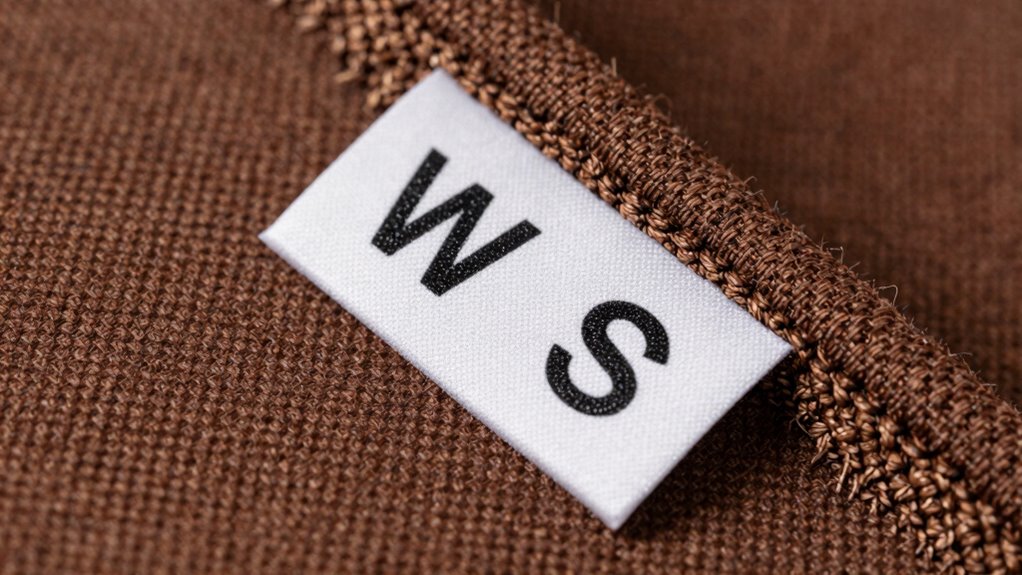
Upholstery tags with “W” and “S” codes give you simple cleaning instructions. A “W” means you can safely clean your fabric with water-based solutions like mild soap or upholstery cleaners. An “S” indicates you should avoid water and use solvent-based cleaners such as alcohol or dry cleaning solutions instead. Knowing these codes helps prevent damage and keeps your furniture looking its best. Continue exploring to learn more about caring for different fabrics and their tags.

Get books, candles and calm essentials delivered free — and shop member deals
- Fast, free delivery on millions of items
- Access to Prime Big Deal Days deals on October 6–7
- Prime Video, Amazon Music and more included
Key Takeaways
- “W” indicates water-based cleaning is safe, suitable for using water, mild soap, or upholstery cleaners.
- “S” means water should be avoided; use solvent-based cleaners like alcohol or dry cleaning solutions.
- Cleaning codes help prevent fabric damage, staining, or shrinking caused by improper cleaning methods.
- “W” fabrics are generally more durable and suitable for high-traffic areas, while “S” fabrics are more delicate.
- Understanding these labels guides proper cleaning, extending furniture lifespan and maintaining fabric appearance.
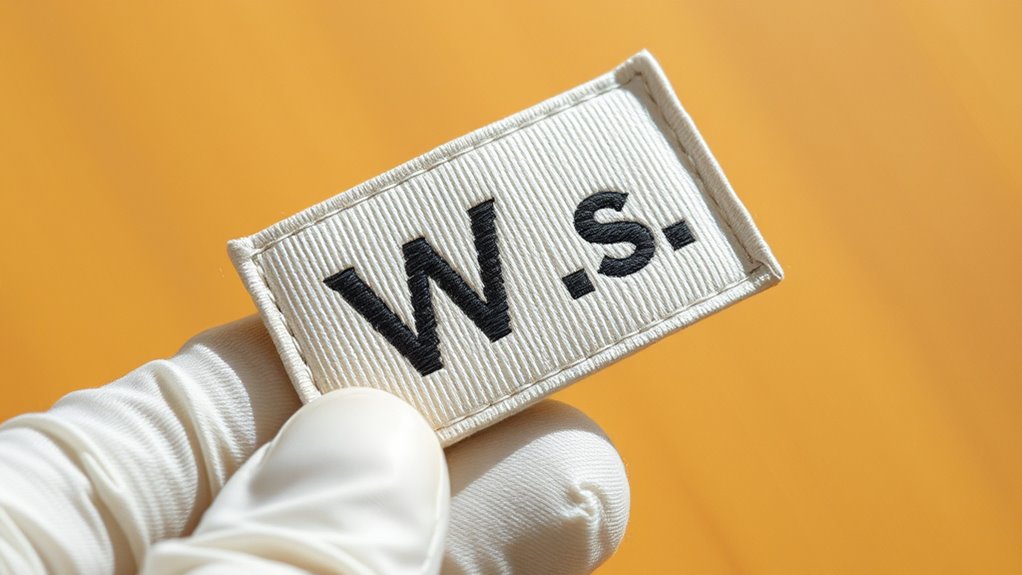
Have you ever wondered what those tiny tags sewn into your upholstered furniture actually mean? They might look like just a small label, but they’re packed with important information about your furniture’s care and maintenance. One of the most useful parts of these tags is the set of cleaning codes, which tell you how to clean your furniture without risking damage. These codes are often represented by a single letter or symbol, like “W” or “S,” and understanding them can extend the lifespan of your furniture by helping you choose the right cleaning methods. But beyond cleaning, these tags can also give clues about fabric durability, helping you understand which materials are more resilient over time.
When you see a “W” on the tag, it indicates that water-based cleaning methods are safe for your upholstery. This means you can use water, mild soap, or upholstery cleaning products that are water-based. If your furniture gets stained or dirty, this code reassures you that a gentle scrub with water won’t harm the fabric. On the other hand, a “S” code means you should avoid water altogether. Instead, you’ll need to use solvent-based cleaners, like those containing alcohol or dry-cleaning solutions, to clean the fabric safely. Using water on a “S” fabric could lead to staining, shrinkage, or even damage to the fibers, so it’s essential to follow the cleaning codes precisely.
But these codes can also hint at fabric durability. For example, some fabrics are naturally more durable and resistant to wear, making them suitable for high-traffic areas or households with kids and pets. Others might be more delicate, requiring careful cleaning and less frequent use to maintain their appearance. Knowing the cleaning codes helps you choose the right cleaning techniques, but it also guides you in selecting furniture that matches your lifestyle. If you have a busy household, opting for a fabric with a “W” code and high durability ratings can prevent premature wear and tear, keeping your furniture looking fresh longer. Additionally, understanding the role of AI ethicist jobs in developing responsible cleaning products can support environmentally sustainable choices.
Frequently Asked Questions
Are Upholstery Tags Legally Required on All Furniture?
Yes, upholstery tags are legally required on all furniture to guarantee proper furniture labeling and regulation compliance. These tags provide important information about the materials used and cleaning instructions. By law, manufacturers must attach these labels to help you make informed choices and maintain furniture properly. Always check for the tag before purchasing or using furniture, as it’s a key part of furniture regulation enforcement and consumer protection.
Can Upholstery Tags Be Removed After Purchase?
You shouldn’t remove upholstery tags after purchase, as doing so can be illegal and might prevent fabric care instructions from being available. For example, a homeowner removed the tag, making it difficult to identify the fabric type for cleaning. Always keep the tag intact to guarantee proper fabric care, and remember, removing it could lead to fines or difficulty in cleaning or restoring your furniture later.
Do Different Countries Have Varying Upholstery Tag Regulations?
Yes, different countries have varying upholstery tag regulations influenced by international standards and cultural differences. You’ll find that labeling requirements differ, with some nations emphasizing detailed fiber content, flame retardants, or safety warnings. These regulations reflect local safety concerns, manufacturing practices, and cultural priorities. When shopping internationally, you should check the specific labeling laws to guarantee compliance and understand the care instructions, as standards can vary considerably across regions.
How Often Should I Check Upholstery Tags for Updates?
Check your upholstery tags consistently to stay current on care label accuracy. You should inspect these labels whenever you notice changes in fabric, wear, or cleaning routines. Regular review helps you understand fabric identification methods and guarantees proper care. By frequently confirming tag details, you prevent mishandling, maintain fabric freshness, and prolong furniture’s lifespan. Staying vigilant about updates keeps your cleaning consistent, confident, and cozy, protecting your investment over time.
What Should I Do if an Upholstery Tag Is Missing or Damaged?
If an upholstery tag is missing or damaged, you should avoid using the piece until you can substitute it. Removing the care label intentionally can violate legal compliance, so it’s best to consult the retailer or manufacturer for guidance. They might provide a replacement or advise on proper care. Keeping the original tag helps ensure proper care and legal adherence, preventing potential issues with warranties or regulations.
Conclusion
Now that you know what those letters really mean on upholstery tags, you’ll never look at them the same way. But what about the hidden messages behind other symbols? Could there be more secrets waiting to be uncovered? Keep a close eye on your furniture’s tags—you might discover surprises that could change how you care for your pieces forever. Stay curious, because the next tag could hold the key to your furniture’s future.
Halloween Picks
halloween
As an affiliate, we earn on qualifying purchases.