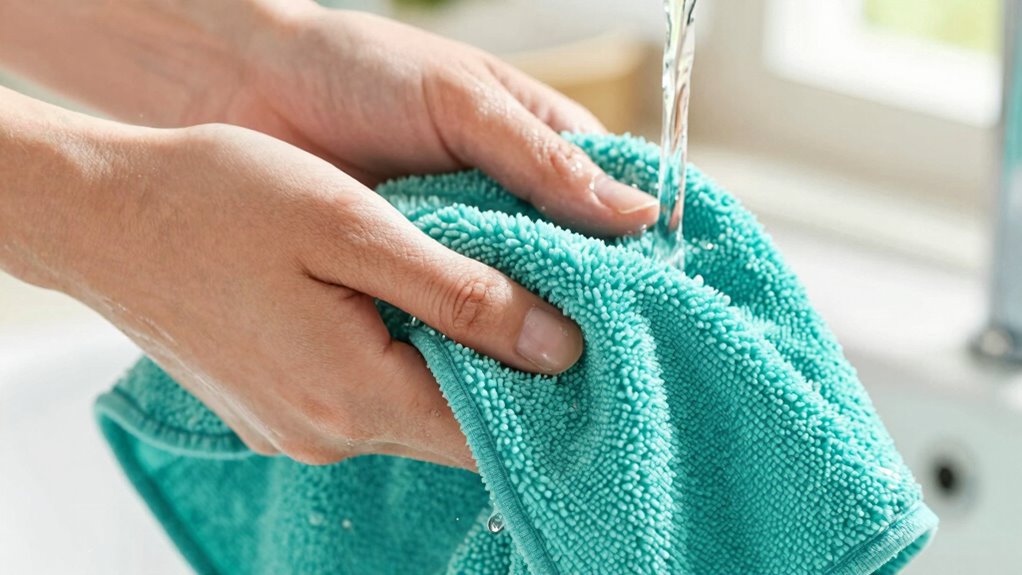

To keep your microfiber working its best, wash it separately using a gentle cycle with warm or cold water and a mild, liquid detergent free of bleach and softeners. Avoid fabric softeners and dryer sheets, as they weaken the fibers. After washing, air dry or use a low-heat setting in the dryer. Proper storage and regular inspections help extend its life. Keep these tips in mind to maintain peak cleaning power — there’s more to learn!
Key Takeaways
- Wash microfiber separately in warm or cold water on a gentle cycle to prevent damage and maintain effectiveness.
- Use a mild, liquid detergent free of bleach, fabric softeners, and heavy-duty cleaners.
- Remove lint, pet hair, and debris before washing to enhance cleaning performance and prolong lifespan.
- Air dry in a well-ventilated area or use a low-heat dryer cycle to avoid fiber damage.
- Store microfiber in a clean, dry, and dark space, ensuring it is completely dry before storage.
Understanding the Benefits of Proper Microfiber Care
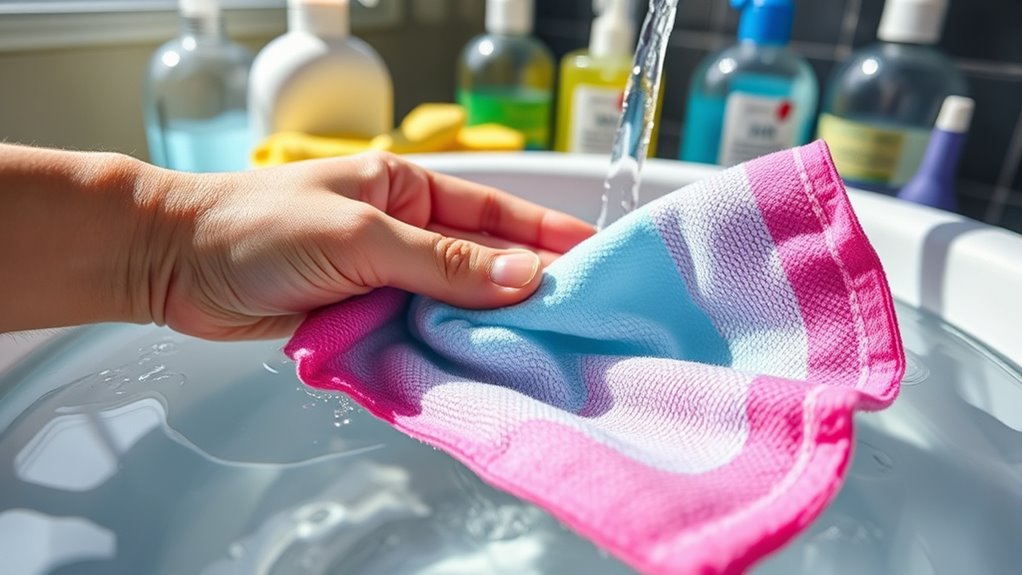
Proper microfiber care extends the lifespan of your products and maintains their effectiveness. When you take care of your microfiber items correctly, you ensure they perform like new for a longer time. This means they’ll clean better, absorb more, and last through countless washes. Proper care also prevents damage caused by dirt, oils, or improper washing methods. Using gentle washing techniques helps preserve the fibers’ integrity and prevents fraying or pilling. By following simple maintenance practices, you keep the fibers in excellent condition, which preserves their unique properties. Additionally, well-maintained microfiber reduces the need for frequent replacements, saving you money over time. Understanding fiber maintenance techniques and their impact on color fidelity helps you get the most out of your purchases, making sure they stay effective, efficient, and in top shape for as long as possible. Regular cleaning and avoiding harsh chemicals can further preserve microfiber’s integrity and performance air purifier maintenance dos and don’ts. Proper washing also helps maintain the fiber’s structure, ensuring durability and consistent performance throughout its lifespan.
Sorting and Preparing Your Microfiber Items for Washing
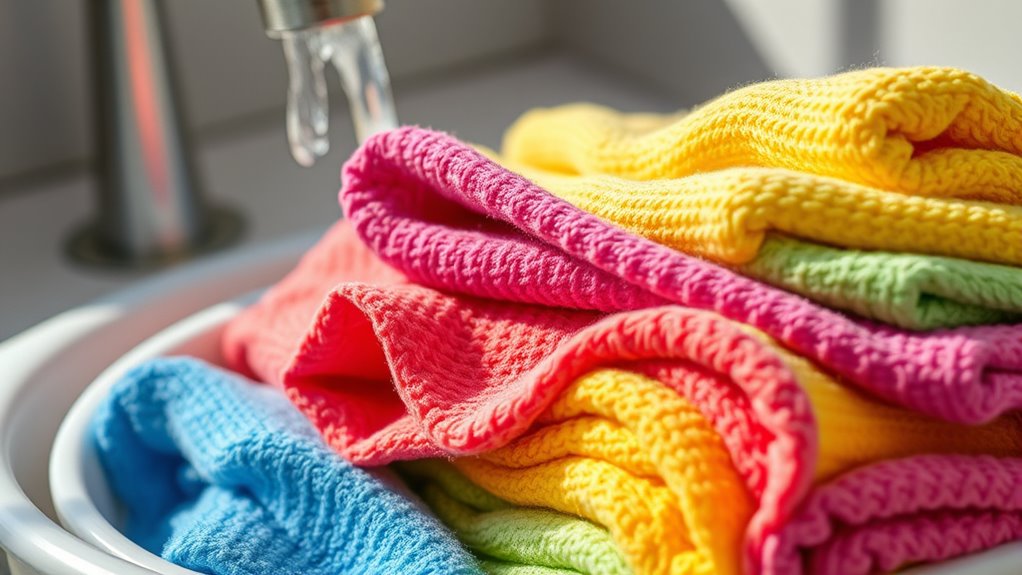
Before washing your microfiber items, make sure to separate them by color to prevent bleeding. Remove any lint or debris to keep your laundry clean and avoid transferring dirt. Also, inspect each piece for damage to make sure they’re in good shape for their next use.
Separate by Color
Sorting your microfiber items by color is essential to prevent dye transfer and keep your fabrics looking their best. When colors bleed during washing, it can cause dullness or staining, ruining your items. To avoid this, separate whites, lights, and darks before washing. Think of your microfiber as delicate treasures that deserve special care. Properly sorting your laundry can also help maintain fabric integrity and extend the lifespan of your microfiber products. Additionally, sorting helps preserve the cultural significance of the patterns and symbols on your microfiber, especially if they hold sentimental or traditional value. Incorporating eco-friendly practices into your laundry routine aligns with European cloud innovation by reducing water and energy consumption, contributing to sustainability goals. Taking this step gives you peace of mind, knowing your microfiber is safe and vibrant after every wash. It’s a small act that preserves the beauty and longevity of your cleaning tools.
Remove Lint and Debris
Now that you’ve separated your microfiber items by color, it’s time to prepare them for washing by removing lint and debris. Start by inspecting each piece closely. Use your fingers or a lint roller to pick off any loose lint, pet hair, or debris stuck on the surface. For stubborn particles, gently brush with a soft brush or use sticky tape to lift debris without damaging the fibers. Removing lint beforehand prevents it from clogging your washing machine and guarantees a thorough clean. Be thorough, especially with items prone to trapping lint, like cloths used for cleaning or polishing. Properly prepared microfibers will wash more effectively and maintain their absorbency and texture longer. Taking these extra steps helps your microfiber stay in top condition and ready for next use. Additionally, fiber maintenance is essential to ensure that the fibers retain their cleaning efficiency over time. Regularly checking and proper washing techniques can further extend the lifespan of your microfiber items. Incorporating gentle washing methods can also help preserve the delicate fibers from damage during cleaning. Understanding the importance of fiber durability and how it impacts fabric longevity can guide you in selecting appropriate cleaning practices.
Check for Damage
Inspect each microfiber item carefully for tears, fraying, or loose stitches before washing. Damaged fabrics can shed fibers or worsen in the wash, reducing their effectiveness. If you find tears or fraying, consider repairing them with a needle and thread or setting the item aside. Loose stitches can unravel further, so secure them before laundering. Check for any holes or weakened areas that might cause fibers to come loose during washing. Removing damaged items or repairing them ensures your microfiber stays durable and effective. Additionally, damaged fabrics can transfer debris or fibers onto other items, so sorting out compromised pieces helps keep your laundry clean. Taking these steps now helps prolong the life of your microfiber and maintains its cleaning power. Proper fabric care supports effective washing practices and longer-lasting microfiber.
Choosing the Right Detergent for Microfiber Fabrics
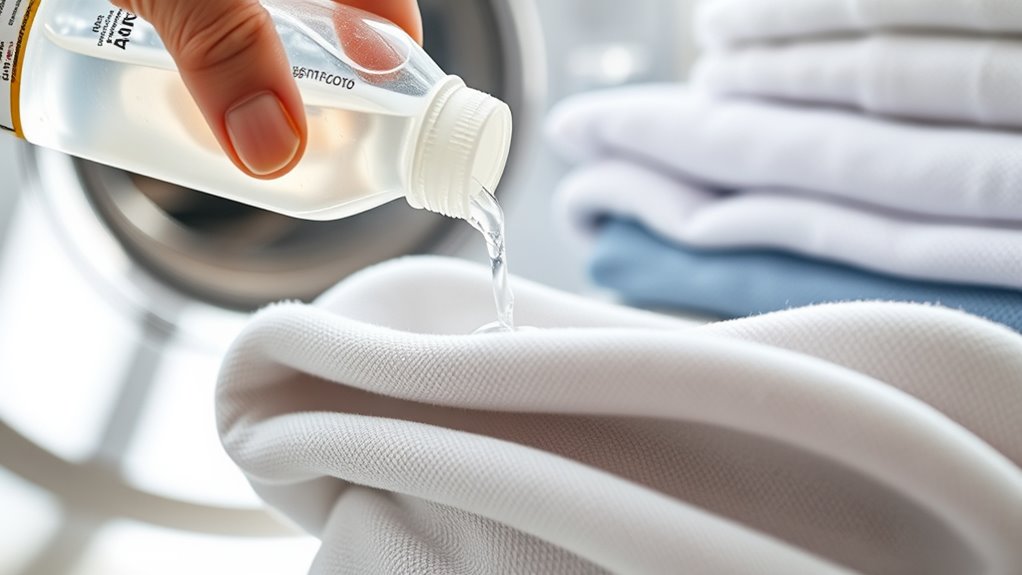
Choosing the right detergent is essential for maintaining the softness and longevity of microfiber fabrics. Not all detergents are suitable, so pick wisely. Here are four tips to guide you:
- Use a mild, liquid detergent free of bleach and fabric softeners, which can damage fibers.
- Avoid heavy-duty or powdered detergents that may leave residues or cause stiffness.
- Choose detergents specifically labeled for delicate or microfiber fabrics when possible.
- Use the recommended amount; excess detergent can leave buildup, reducing softness and absorbency.
Water Temperature and Its Impact on Microfiber Maintenance
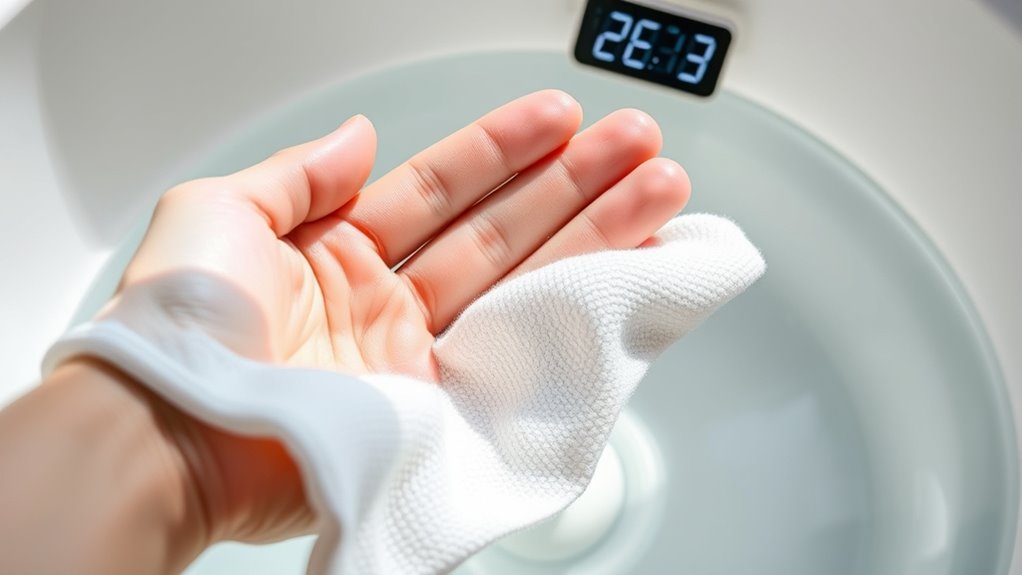
Water temperature plays a crucial role in maintaining microfiber fabrics, as it directly affects their cleanliness and longevity. Using hot water can help dissolve oils, grease, and stubborn dirt, ensuring a thorough clean. However, excessive heat can damage the fibers, causing them to weaken or lose their softness over time. Cold water is gentler and preserves the fabric’s integrity but might not be as effective at removing heavy stains or oils. Ideally, you should wash microfiber cloths and towels in warm water, around 86°F to 104°F, to balance cleaning power and fabric care. Always check the care label for specific temperature recommendations. Proper water temperature ensures your microfiber stays effective, soft, and durable, extending its lifespan and maintaining its cleaning efficiency. Choosing the right water temperature helps prevent damage and keeps your microfiber in optimal condition. Additionally, understanding how fiber properties respond to different temperatures can further optimize your laundry routine. Being aware of water quality is also important, as minerals and impurities can affect microfiber’s performance and longevity. Moreover, using appropriate detergents formulated for microfiber can enhance cleaning without compromising the fabric’s softness.
The Do’s and Don’ts of Washing Microfiber Cloths and Towels
To keep your microfiber cloths and towels in top shape, you need to follow proper washing techniques and avoid harsh chemicals. Pay attention to how you dry and store them to prevent damage and maintain their effectiveness. Let’s go over some essential do’s and don’ts to extend their lifespan. Additionally, understanding the importance of fiber composition can help you choose the right cleaning methods to preserve their quality. Recognizing the role of passive voice detection can also improve the clarity and impact of your writing.
Proper Washing Techniques
When washing microfiber cloths and towels, following proper techniques guarantees they stay effective and last longer. First, always wash them separately from regular laundry to prevent lint transfer. Second, use warm or cold water instead of hot, which can damage fibers. Third, select a gentle cycle to avoid excessive agitation that wears out the cloths. Fourth, avoid fabric softeners and bleach—they can clog fibers and reduce absorbency. Instead, opt for a mild detergent designed for microfiber, which cleans effectively without harming the material. By sticking to these techniques, you guarantee your microfiber stays soft, absorbent, and durable. Proper washing not only extends their lifespan but also keeps them performing at their best for all your cleaning needs.
Avoid Harsh Chemicals
Using harsh chemicals like bleach or strong degreasers can damage microfiber fibers, reducing their absorbency and lifespan. These chemicals can break down the delicate fibers, causing them to become stiff or frayed over time. Avoid using fabric softeners, as they leave residues that diminish microfiber’s ability to trap dirt and liquids. Instead, opt for mild, eco-friendly detergents free of fragrances and dyes. Strong chemicals can also cause discoloration or weaken the fabric’s structure, leading to tears or loss of effectiveness. Always read labels carefully and stick to recommended cleaning products. Keeping harsh chemicals out of your microfiber laundry helps maintain its softness, durability, and cleaning power, ensuring your cloths stay effective and last longer. Regularly cleaning microfiber with appropriate detergents helps preserve its integrity and performance over time.
Drying and Storage Tips
Proper drying and storage are essential to maintaining the performance and longevity of microfiber cloths and towels. To keep them in top shape:
- Air dry whenever possible to prevent damage from high heat.
- Avoid using fabric softeners, which can clog fibers and reduce absorbency.
- Store microfiber in a clean, dry place away from direct sunlight to prevent deterioration.
- Fold cloths neatly to prevent wrinkles and keep them organized for easy use.
Always guarantee microfiber is completely dry before storing to prevent mold and odors. Avoid hanging towels in damp areas, and don’t mix microfiber with lint-producing fabrics. Following these tips helps your microfiber stay effective and lasts longer. Proper drying and storage are simple steps that make a big difference. Additionally, proper handling techniques can further enhance the lifespan of your microfiber items.
Drying Techniques to Preserve Microfiber Quality
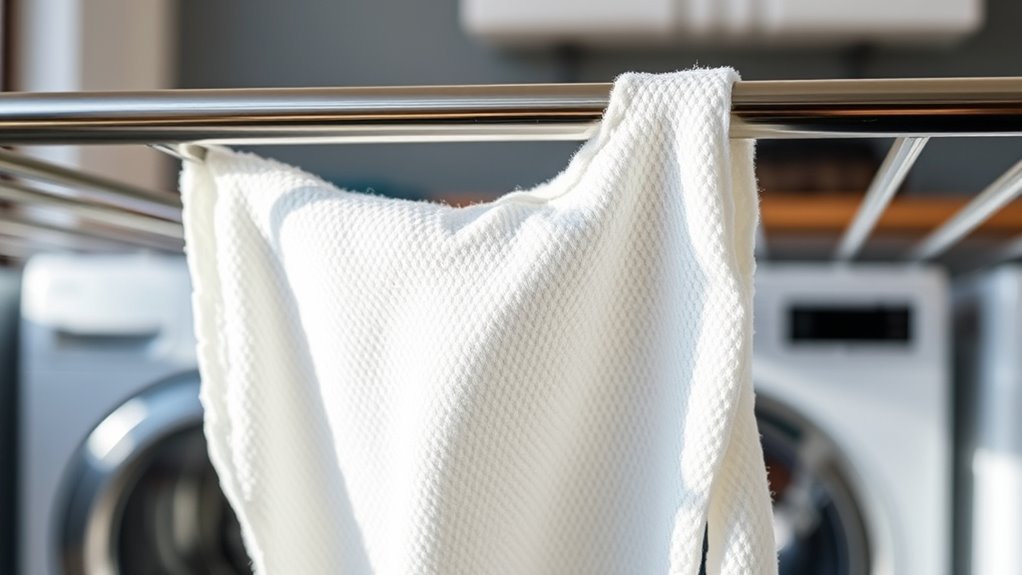
To preserve the softness and durability of microfiber fabrics, it is essential to select the appropriate drying techniques. Air drying is your best option; hang microfiber items in a well-ventilated area away from direct sunlight. This method prevents heat damage and keeps fibers soft. If you prefer using a dryer, choose the lowest heat setting, or opt for a no-heat tumble dry cycle if available. Avoid high heat, which can weaken fibers and cause pilling or shrinking. To speed up drying, gently squeeze out excess water without wringing, and lay items flat if possible. Never use fabric softeners or dryer sheets, as they can leave residues that diminish microfiber’s effectiveness. Proper drying ensures your microfiber stays soft, fluffy, and long-lasting.
Avoiding Common Mistakes That Damage Microfiber Materials
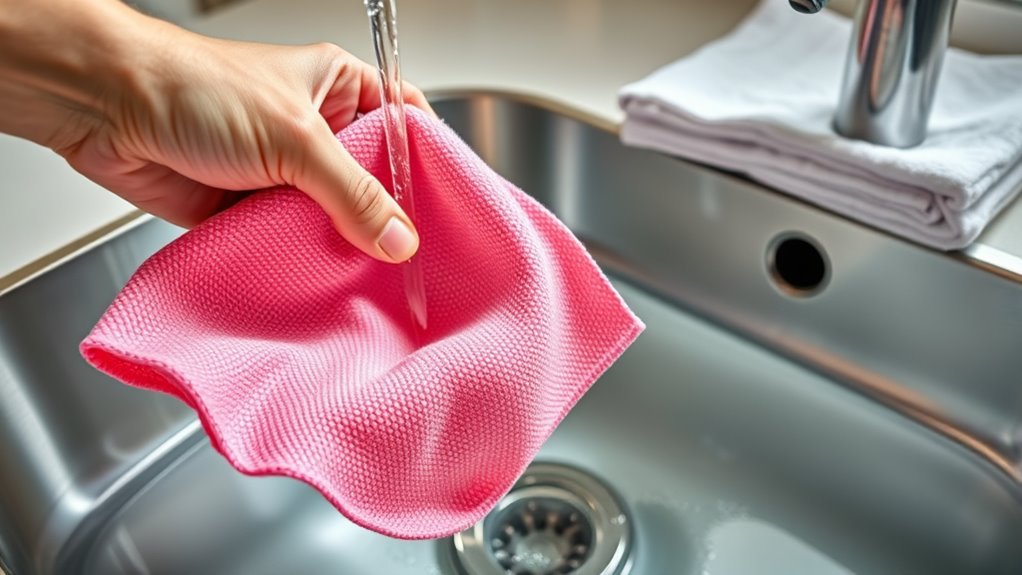
Even when you dry microfiber fabrics carefully, certain mistakes during washing or handling can still cause damage. To keep your microfiber in top shape, avoid these common errors:
- Using fabric softeners or bleach, which can clog fibers and reduce absorbency.
- Washing microfiber with lint-producing fabrics like cotton, which can transfer debris and compromise the material.
- Overloading the washing machine, preventing proper cleaning and causing friction that wears down fibers.
- Ignoring water temperature guidelines, since hot water can weaken microfiber and cause shrinkage.
Storing Microfiber Items for Longevity and Performance

Storing microfiber items correctly is essential to maintain their softness, absorbency, and overall performance over time. Proper storage prevents dust, dirt, and static buildup, which can degrade the fibers. Keep microfiber tools in a clean, dry place away from direct sunlight and heat sources. Avoid overcrowding to prevent deformation or wrinkling. Use breathable containers or mesh bags to protect items without trapping moisture. When stacking, ensure they’re flat or rolled gently to avoid creases.
| Storage Tip | Benefit |
|---|---|
| Use breathable bags | Prevent moisture accumulation |
| Store in a cool, dry area | Preserve fibers and avoid mold |
| Avoid direct sunlight | Prevent fading and fiber damage |
| Keep away from heat | Maintain integrity of microfiber materials |
| Store flat or rolled | Reduce wrinkling and deformation |
Recognizing When It’s Time to Replace Your Microfiber Tools

Knowing when to replace your microfiber tools is essential for maintaining effective cleaning and ideal performance. Over time, microfiber can become worn, frayed, or less absorbent, reducing its effectiveness. Watch for these signs:
- The fabric is visibly frayed or thinning, indicating loss of integrity.
- It no longer traps dirt or absorbs liquids as well as when new.
- It emits a persistent odor even after washing.
- The microfiber becomes difficult to rinse or rinse out completely.
If you notice any of these, it’s time to replace your tools. Continuing to use worn microfiber can spread dirt or leave streaks, defeating the purpose of cleaning. Replacing worn tools ensures you maintain best cleaning results and hygiene.
Tips for Maintaining Microfiber Effectiveness Over Time
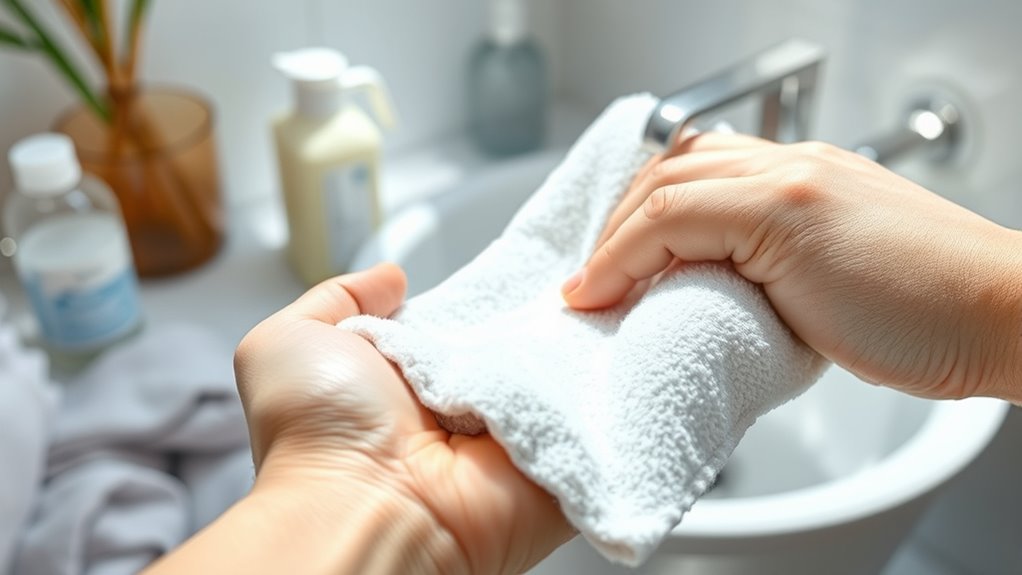
To keep your microfiber tools working effectively over time, regular maintenance is essential. Always rinse your microfiber thoroughly after each use to remove dirt and debris. Avoid fabric softeners and bleach, as they can clog fibers and reduce absorbency. Wash microfiber separately from other fabrics to prevent lint transfer. Use a gentle, cold or warm cycle with a mild detergent, ensuring no residues remain. Air-drying is preferable; if you use a dryer, select a low heat setting to prevent damage. Store microfiber tools in a clean, dry place away from direct sunlight. Periodically inspect your tools for wear and tear, replacing them when fibers are frayed or ineffective. Consistent care will prolong their lifespan and maintain their cleaning power.
Frequently Asked Questions
Can I Use Fabric Softeners on Microfiber Items?
No, you shouldn’t use fabric softeners on microfiber items. They can leave a residue that clogs the fibers, reducing their effectiveness and absorbency. Instead, wash microfiber with mild detergent and avoid fabric softeners, dryer sheets, or bleach. If you want to keep your microfiber soft, use a small amount of white vinegar during rinse or tumble dry on low heat. This helps maintain its softness and functionality.
How Often Should I Replace My Microfiber Cloths?
You should replace your microfiber cloths every 3 to 6 months, depending on usage and condition. If they become frayed, stained, or lose their cleaning effectiveness, it’s time for new ones. Regularly inspect them for signs of wear, and don’t hesitate to substitute them when they no longer perform well. Proper maintenance and timely replacement ensure you get the best cleaning results and extend the lifespan of your microfiber cloths.
Are There Specific Brands of Detergent Best for Microfiber?
You should look for detergents free of fabric softeners and bleach when washing microfiber. Brands like Seventh Generation, Ecos, and Method often make gentle, effective options that won’t damage your cloths. Avoid strong chemicals; instead, choose mild, liquid detergents designed for delicate fabrics. Using the right detergent helps maintain microfiber’s absorbency and softness, ensuring it stays effective for longer periods. Always follow the washing instructions for the best results.
Can Microfiber Fabrics Be Washed With Other Materials?
Think of microfiber as a delicate dance partner; it can groove with other fabrics, but only if you choose wisely. You can wash microfiber with cotton or polyester, but avoid mixing it with towels or rough fabrics that can snag its fine fibers. Use gentle cycles and cold water to keep its dance smooth. Always separate microfiber from items with Velcro or zippers to prevent unnecessary snags.
What Are Signs That Microfiber Has Lost Its Effectiveness?
You’ll notice microfiber has lost its effectiveness when it no longer picks up dirt or dust as easily, or if it feels rough or stiff rather than soft. You might also see streaks or missed spots on surfaces you’re cleaning, indicating it’s not absorbing or trapping debris well. If your microfiber smells bad even after washing, that’s a sign it’s worn out and needs replacing for peak cleaning performance.
Conclusion
So, there you have it—your ultimate guide to keeping microfiber working like new. Follow these tips, and you might just extend its lifespan beyond the lifespan of your patience. Or, if you ignore them, prepare for the sad day your trusty microfiber turns into a lint-laden relic. After all, who knew that caring for your cleaning tools could be such a revolutionary act? Stay vigilant, and your microfiber will thank you—probably with spotless results.