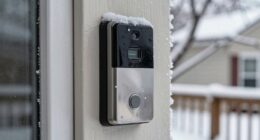
To effectively disinfect high-touch surfaces, focus on areas like doorknobs, light switches, and your phone, which are touched frequently and can harbor germs. Disinfect these surfaces daily in homes with children or immunocompromised individuals, and every few days otherwise, depending on usage. Use EPA-registered disinfectants properly, following their instructions, to guarantee germs are eliminated without damaging coatings. Staying consistent is key—continue exploring to learn how regular cleaning and proper disinfection work together for better safety.

Turn your quiet moments into listening time
- Thousands of audiobooks, podcasts and originals
- Listen on your phone, tablet or Echo — also offline
- Cancel anytime
Key Takeaways
- High-touch surfaces include doorknobs, light switches, and smartphone screens that frequently contact multiple users.
- Regular cleaning and disinfecting reduce microbial buildup and prevent germ transmission on these surfaces.
- Use EPA-registered disinfectants following manufacturer instructions for effective pathogen elimination.
- Cleaning frequency depends on environment risk; daily for households with children or immunocompromised individuals.
- Maintaining surface hygiene requires consistent cleaning, proper disinfectant use, and periodic replacement of antimicrobial coatings.
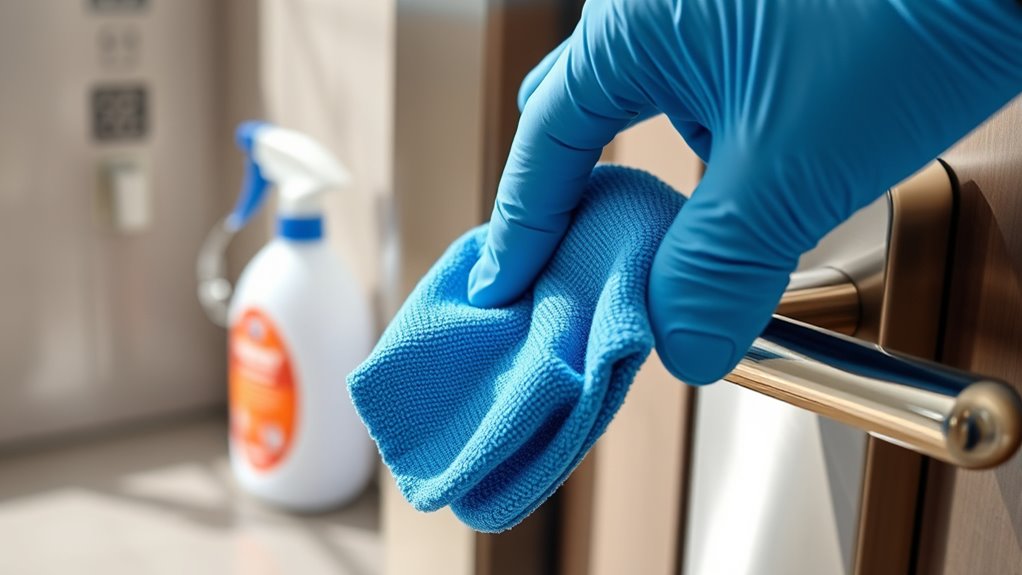
High-touch surfaces like doorknobs, light switches, and smartphone screens are common spots for germs to thrive. These areas are touched frequently, making them prime breeding grounds for bacteria and viruses. To keep them safe, it’s vital to understand the role of antimicrobial coatings and how often you should clean these surfaces. Antimicrobial coatings can be applied to high-touch areas, creating a protective barrier that inhibits the growth of germs. While these coatings don’t replace regular cleaning, they serve as an extra line of defense, reducing the microbial load between disinfecting sessions. Incorporating antimicrobial coatings into your cleaning routine can help lessen the spread of germs, especially in high-traffic environments like homes, offices, or public spaces.
However, relying solely on antimicrobial coatings isn’t enough. Regular cleaning remains essential because these coatings can lose effectiveness over time due to wear and tear or dirt accumulation. The key is to establish an appropriate cleaning frequency based on how often the surfaces are touched and the environment’s risk level. For instance, in a household with children or immunocompromised individuals, you might want to wipe down doorknobs and light switches daily. In less risky settings, cleaning every few days may suffice. Consistent cleaning helps physically remove dirt, germs, and any residual antimicrobial agents that may have degraded. Use a suitable disinfectant that is proven effective against the pathogens you’re targeting, and follow the manufacturer’s instructions for contact time to guarantee proper disinfection. Additionally, understanding the importance of surface antimicrobial properties can help you choose the right products for enhanced protection.
It’s also important to be mindful of the cleaning products you use. Many disinfectants are compatible with antimicrobial coatings, but some harsh chemicals can compromise their integrity. Check the labels and, when in doubt, opt for gentle, EPA-registered disinfectants. Remember, the goal is to keep the surfaces as germ-free as possible without damaging any protective coatings or finishes.
EPA-registered disinfectant spray
As an affiliate, we earn on qualifying purchases.
As an affiliate, we earn on qualifying purchases.
Frequently Asked Questions
Are There Any Surfaces That Don’T Need Disinfecting Regularly?
You don’t need to disinfect non-porous surfaces and seldom touched items as often. Items like walls, floors, or furniture that aren’t frequently handled usually don’t require regular disinfecting. Instead, focus on high-touch surfaces like doorknobs or light switches. Regular cleaning with soap and water often suffices for these low-traffic areas, helping you save disinfectant and time while keeping your space safe.
How Do I Choose the Best Disinfectant for Different Surfaces?
You’ll want a disinfectant that’s a superhero for each surface! To choose the best one, check surface compatibility—some disinfectants damage certain materials. Look for high disinfectant efficacy, ensuring it kills germs fast and effectively. Read labels carefully, matching disinfectant type to your surface—metal, plastic, or wood—and avoid damage. With the right choice, you’ll conquer germs without harming your surfaces!
Can Disinfectants Be Harmful to Children or Pets?
Disinfectants can be harmful to children and pets if not used carefully. You should always prioritize child safety and pet safety by choosing EPA-approved products labeled safe for households with kids and animals. Keep disinfectants out of reach, follow the instructions precisely, and guarantee proper ventilation during and after use. Never mix chemicals, and wash your hands thoroughly afterward to prevent accidental ingestion or exposure.
What Are the Signs of Ineffective Disinfection?
You’ll notice signs of disinfection failure when surfaces remain sticky, dirty, or visibly contaminated. Persistent odors or stains may also indicate surface contamination despite cleaning. If you see bacteria or mold growth, it’s a clear sign that disinfection efforts weren’t effective. Regularly check high-touch areas for these signs to guarantee you’re properly preventing surface contamination and maintaining a safe environment.
How Long Should Surfaces Stay Wet With Disinfectant During Cleaning?
You should keep surfaces wet with disinfectant for the recommended contact time, which guarantees proper surface contact. Usually, this means letting the disinfectant sit for at least 1 to 10 minutes, depending on the product. During this period, avoid touching or wiping the surface prematurely. This contact time maximizes disinfectant efficacy, effectively killing germs and ensuring the surface remains properly disinfected. Always follow the manufacturer’s instructions for best results.
As an affiliate, we earn on qualifying purchases.
Conclusion
Now that you know which surfaces need regular disinfecting and how often, it’s clear that staying vigilant is key to reducing germs. Consistency matters—skipping a cleaning could mean inviting germs back in. Are you prepared to make disinfecting a routine part of your day? Remember, a clean environment isn’t just about appearances; it’s about your health and well-being. So, why not take that extra step today to keep your space safer?
disinfectant wipes for high-touch surfaces
As an affiliate, we earn on qualifying purchases.
As an affiliate, we earn on qualifying purchases.
As an affiliate, we earn on qualifying purchases.
Fall Picks
fall essentials
As an affiliate, we earn on qualifying purchases.